
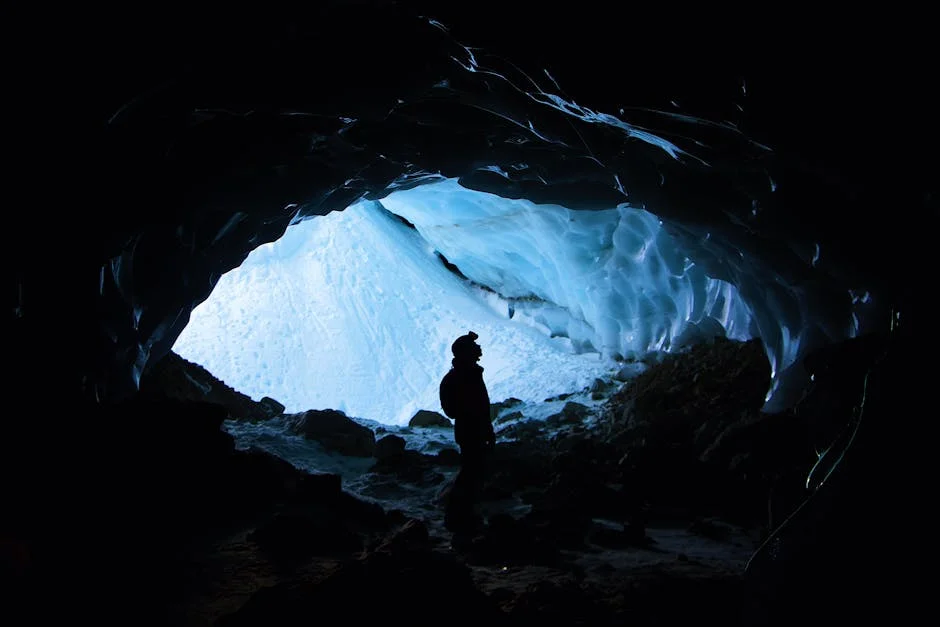
Scope: This guide focuses specifically on the mainland ice caves at Meyers Beach in Apostle Islands National Lakeshore. It does NOT cover the sea caves accessible by kayak in summer, the island caves, or general Apostle Islands tourism.
The phone kept ringing through to the same message: “Ice caves are currently inaccessible.” I hung up, stared at the NOAA ice chart showing Lake Superior at 5.66% coverage, and wondered how many travelers were making the same call that January morning.
Here’s what most people planning an Apostle Islands ice caves trip don’t realize until it’s too late: you’re not planning a hike. You’re gambling on a natural phenomenon that hasn’t occurred since 2015. The caves have been accessible exactly 2% of all days since 2000. That’s not a statistic I’m exaggerating for effect – that’s the official NPS data, and understanding what it means could save you a wasted trip or help you catch one of the rarest winter experiences in North America.
Quick Decision Summary (Winter 2025-2026)
- Current status (January 2026): INACCESSIBLE. Lake Superior ice coverage at 5.66%, far below the 90% needed.
- When caves could open: If sustained temperatures stay below 0F for 3+ weeks with minimal wind, access might become possible in late February. Check NOAA forecasts and NPS Ice Line weekly.
- Who this experience is for: Intermediate winter hikers comfortable with 2-4 mile walks on lake ice, with proper traction gear, who can commit to flexible travel dates.
- When to skip the trip: If ice coverage is below 80%, if wind chill will drop below -20F during your visit, or if you can only visit on a fixed date with no flexibility.
- Better alternative right now: Pictured Rocks National Lakeshore in Michigan offers more reliable winter ice formations with easier access.
Winter 2025-2026 Reality Check
I checked the NPS Ice Line three times in the past week. The message hasn’t changed. Here’s what the numbers tell us about the Apostle Islands ice caves conditions:
- Lake Superior ice coverage: 5.66% (needs 90%+)
- Last time caves opened: 2015 (nine days only)
- Years since 2000 with any access: 4 total
The pattern suggests climate change is making these windows rarer. The National Parks Conservation Association reports that Madeline Island Ferry operated continuously in 5 of the last 10 winters – a feat that only happened twice between 1857 and 2015. Warmer winters are the new normal here.
Why Most Apostle Islands Ice Caves Trips Fail Before They Start
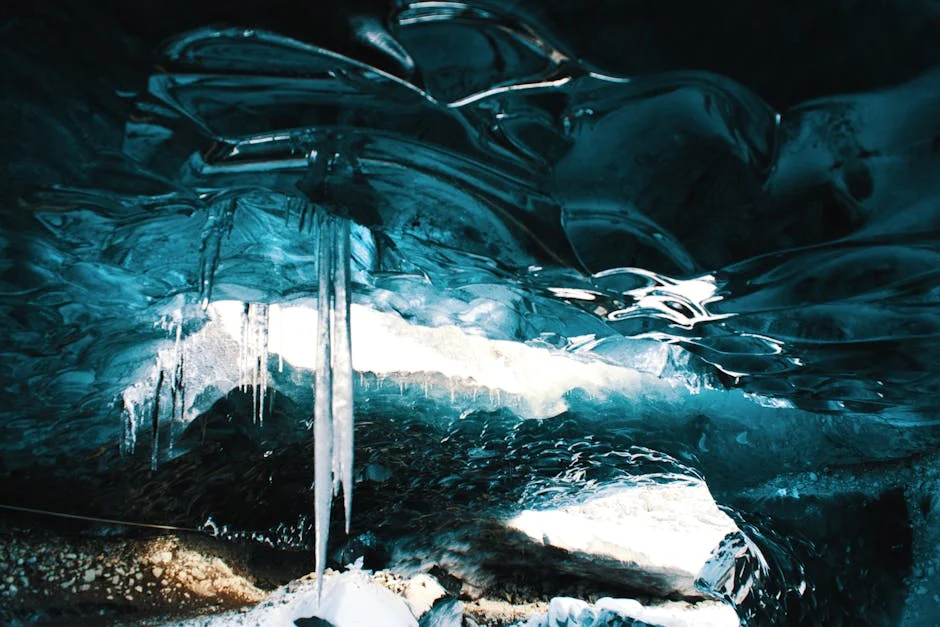
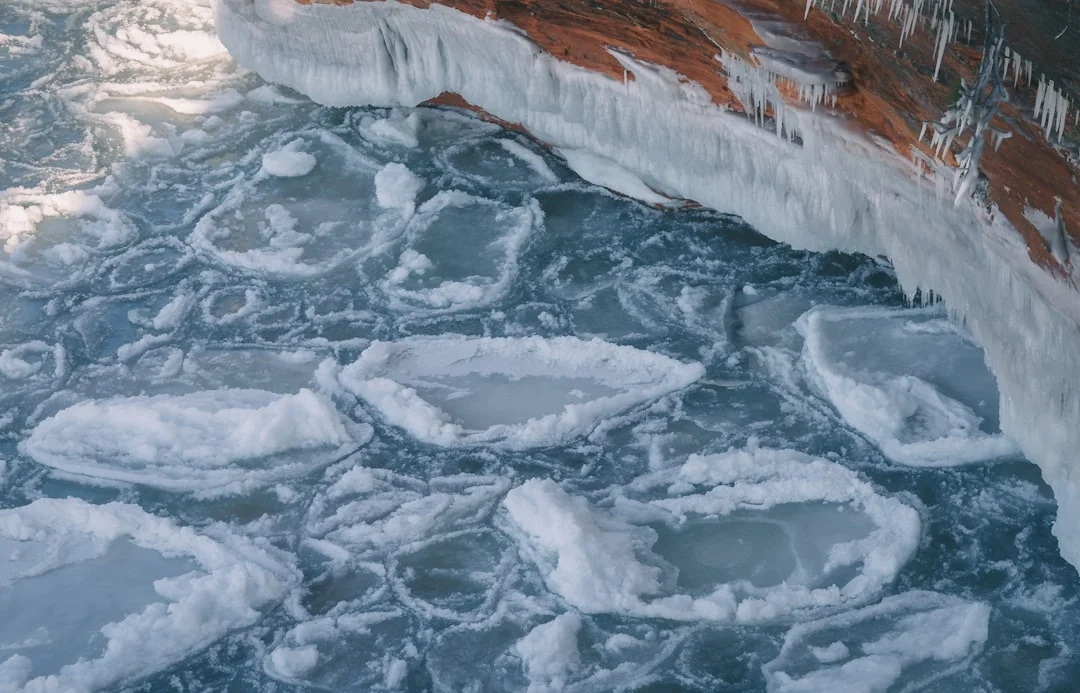
The Apostle Islands ice caves sit along Lake Superior’s southern shore, where wave action sculpts sandstone cliffs into cathedral-like chambers. In winter, frozen spray transforms these caves into fantasy landscapes of blue ice, massive icicles, and crystalline formations.
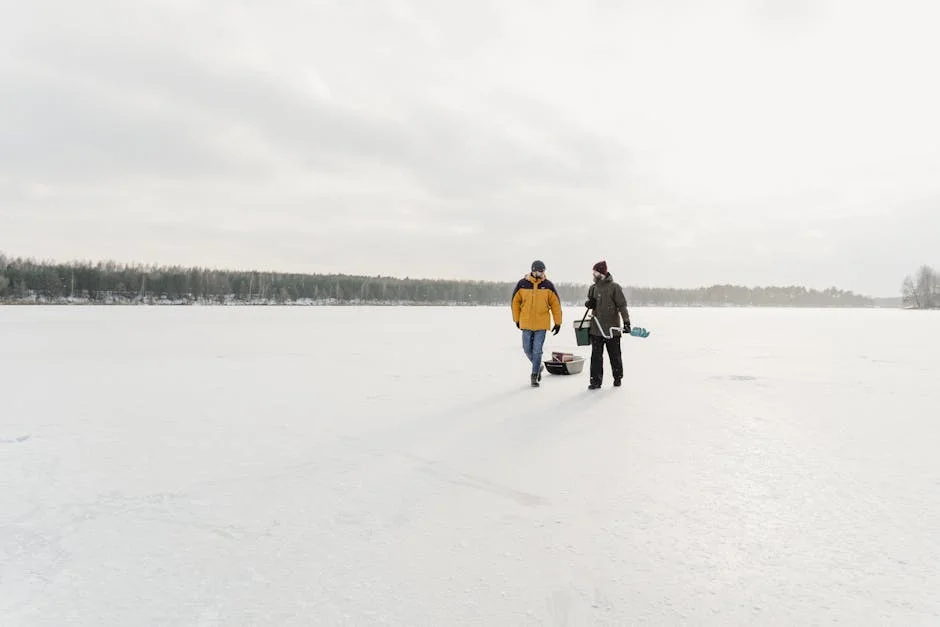
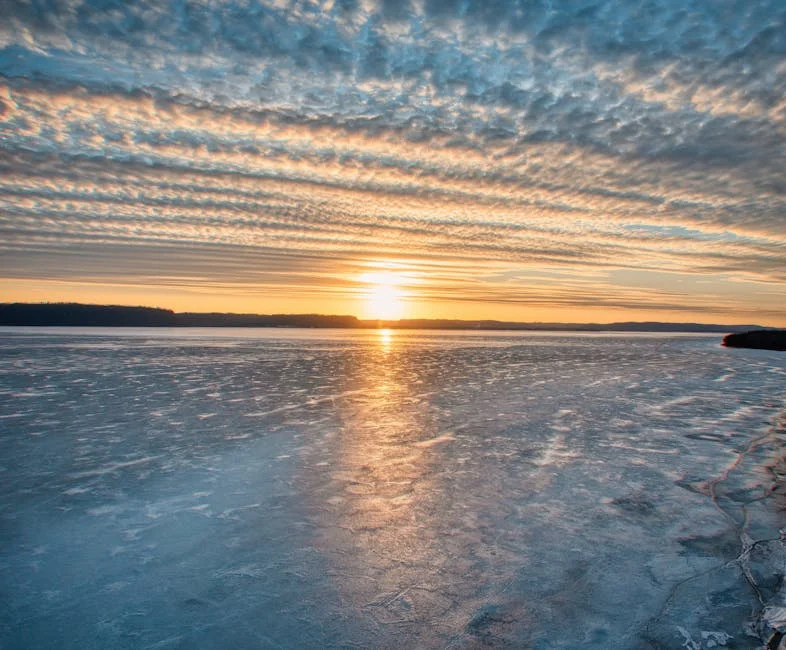
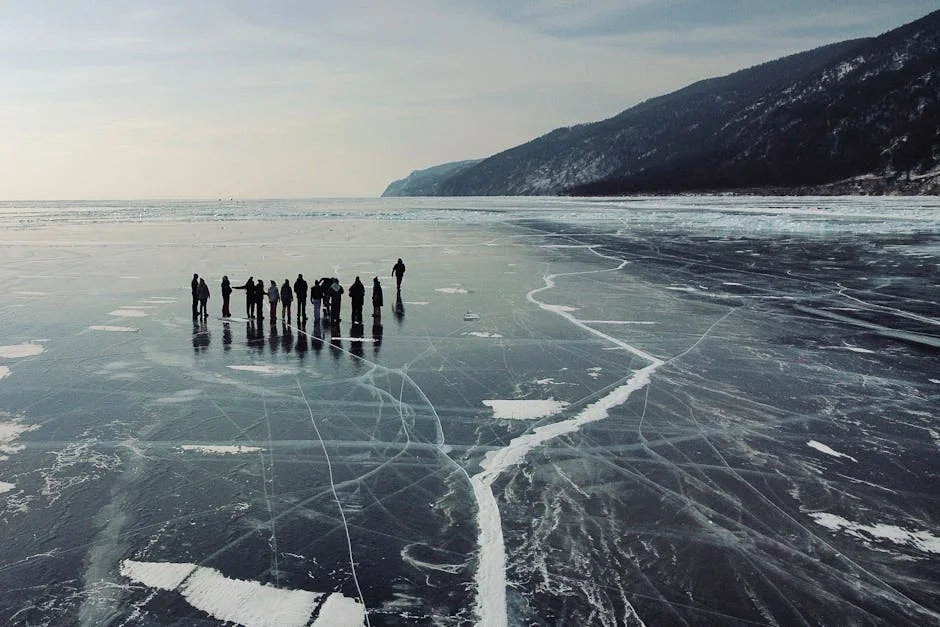
But reaching them requires walking on frozen Lake Superior. Not a frozen pond. Not a glacial lake. Lake Superior – the largest freshwater lake by surface area on Earth, a body of water that creates its own weather systems and can shatter 16-inch-thick ice in two hours when winds shift.
The NPS doesn’t mince words: “Ice is never safe, but it can be low risk.”
For that low-risk window to occur, you need a perfect storm of conditions:
- Extended periods of sub-zero temperatures (weeks, not days)
- Minimal wind to allow ice to form without breaking apart
- Calm wave action so ice can consolidate
- Lake Superior ice coverage exceeding 90%
The annual average maximum ice coverage? Just 60%. You can see the math problem.
Apostle Islands Ice Caves vs Pictured Rocks: Making the Right Choice
If you’re deciding between the Apostle Islands ice caves and Pictured Rocks National Lakeshore in Michigan’s Upper Peninsula, here’s the honest comparison:
| Factor | Apostle Islands Ice Caves | Pictured Rocks |
|---|---|---|
| Winter Ice Access | 2% of days since 2000 | Late January through early March (typical) |
| How You Reach Caves | Walk 1+ mile on frozen lake | Drive + short hikes from parking |
| Best Experience | Sea kayaking (summer) | Hiking, waterfalls, sand dunes |
| Ice Formations | World-class when accessible | Consistent and spectacular |
| Planning Difficulty | Requires flexible dates | Can plan in advance |
My recommendation: Unless you live within a few hours of Bayfield and can make a same-day decision when conditions align, Pictured Rocks offers a more reliable winter ice experience. The frozen waterfalls along the Pictured Rocks shoreline are genuinely spectacular, and you won’t spend your trip refreshing ice coverage charts.
That said, if you’re determined to experience the Apostle Islands ice caves, here’s everything you need to know to maximize your chances.
The Access Point: Meyers Beach
The mainland ice caves are reached from Meyers Beach, located 18 miles west of Bayfield on Wisconsin Highway 13. This is the only access point – there’s no alternate route, no backdoor trail.
Getting There:
- From Minneapolis: 4.5 hours (280 miles)
- From Madison: 5 hours (330 miles)
- From Green Bay: 4 hours (250 miles)
Fees (when caves are open):
- $5 per vehicle
- $5 per person (age 16+)
- America the Beautiful pass accepted
Parking Reality: During the 2014-2015 access window, some visitors parked up to 2.5 miles from the trailhead. The parking is entirely along Highway 13’s roadside – there’s no parking lot. On busy days, thousands of people show up.
Shuttle Services: When caves are open, shuttles typically run from Cornucopia and Legendary Waters Resort at Red Cliff. Check the Bayfield Chamber of Commerce website for current options.
Ice Line: 715-779-3397 ext. 3 (call the morning of your planned visit)
Six Common Apostle Islands Ice Caves Visitor Mistakes (And How to Avoid Them)
After researching dozens of trip reports and talking with local sources, these are the mistakes that ruin Apostle Islands ice caves trips:
Mistake 1: Not Checking Conditions Before Driving
The problem: Visitors drive 4+ hours only to find caves inaccessible.
The solution: Call the Ice Line (715-779-3397 ext. 3) both the day before AND the morning of your visit. Conditions can change overnight. Check NOAA’s Great Lakes ice coverage at glerl.noaa.gov/data/ice/ to understand the bigger picture.
Mistake 2: Arriving Late on Weekends
The problem: By 10am on peak days, you might be parking 1-2.5 miles from the beach, adding significant distance to an already challenging walk.
The solution: Arrive before 9am, consider weekday visits, or use shuttle services. Carpooling isn’t just environmentally responsible – it’s practical when parking is this limited.
Mistake 3: Wearing the Wrong Footwear
The problem: Regular shoes or boots, or even Yaktrax-style coil traction devices, aren’t sufficient on the uneven, wind-polished lake ice.
The solution: Microspikes or crampons are essential – the kind with metal spikes that dig into hard ice. Trekking poles or ski poles help significantly with balance. Waterproof, insulated boots are non-negotiable.
Mistake 4: Standing Under Ice Formations
The problem: Those dramatic icicles and ice curtains you came to photograph? They fall without warning. Look at the ground near the cliff bases – those massive ice chunks didn’t walk there.
The solution: Never position yourself directly under overhanging ice, no matter how good the photo opportunity looks. Shoot from angles that keep you clear of the fall zone.
Mistake 5: Underestimating Time and Physical Demands
The problem: The walk from Meyers Beach to the caves is 1+ mile each way on uneven ice, plus time exploring the caves. Total trip time is typically 3-4 hours. Getting caught in the dark on lake ice is dangerous.
The solution: Allow minimum 3-4 hours. Bring water, snacks, and a hot beverage in an insulated container. Check sunset time and plan to be off the ice with daylight to spare.
Mistake 6: Ignoring Warning Signs on the Ice
The problem: Even 16-inch-thick ice can break apart and blow out to open water in as little as two hours when conditions change.
The solution: Turn back immediately if you see open water, hear cracking sounds, notice the ice changing color, encounter slushy areas, or feel wind increasing significantly. Your life is worth more than any photograph.
Apostle Islands Ice Caves Gear That Actually Matters
I’ve read gear lists that include everything from hand warmers to emergency bivouacs. Here’s what actually makes or breaks an ice caves trip:
Essential:
- Microspikes or crampons (not Yaktrax – they don’t grip hard ice)
- Trekking poles or ski poles
- Waterproof insulated boots
- Layered clothing rated for sub-zero windchill
- Sunglasses (ice glare is brutal)
Strongly Recommended:
- Ice picks worn around your neck (for self-rescue if you break through)
- Throw rope in your pack
- Hot beverage in insulated container
- High-calorie snacks
The Temperature Reality: Wind chill on open lake ice can easily drop to -20F or colder. If the forecast shows wind chill below -20F, postpone your trip. Frostbite can occur in minutes at those temperatures, and the caves will still be there on a less brutal day.
What the Apostle Islands Ice Caves Experience Is Actually Like
If you’re fortunate enough to visit when the caves are accessible, here’s what to expect:
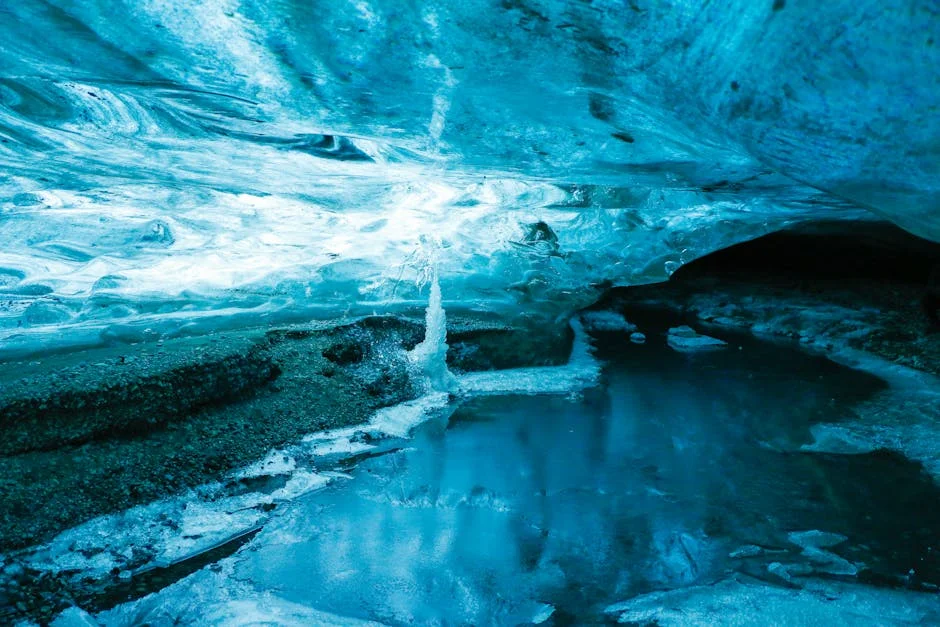
The walk from Meyers Beach takes you across frozen Lake Superior toward the sandstone cliffs of the mainland shore. The ice surface varies – sometimes smooth and glassy, sometimes ridged with pressure cracks and wind-sculpted formations. The cliffs grow larger as you approach, and then you see them: openings in the rock draped with ice curtains, chambers filled with frozen waterfalls, icicles reaching from ceiling to floor.
The ice inside the caves glows blue where light filters through. Frozen spray creates delicate formations that look like glass sculptures. The silence is profound – just the occasional creak of ice and the sound of your own breathing.
Most visitors explore the accessible caves along a 1-2 mile stretch of shoreline. The sandstone itself is beautiful – layered red and gold rock carved by centuries of wave action. In summer, kayakers paddle through these same chambers. In winter, you walk where water once flowed.
Planning for an Uncertain Window
If you’re committed to attempting an Apostle Islands ice caves visit, here’s how I’d approach the planning:
Monitoring Phase (December-January):
- Check NOAA ice coverage weekly
- Sign up for NPS Apostle Islands email updates
- Follow Friends of the Apostle Islands social media
- Don’t book non-refundable accommodations yet
Decision Phase (when ice coverage exceeds 70%):
- Check Ice Line daily
- Book flexible accommodations in Bayfield or nearby
- Have gear ready and packed
- Be prepared to drive within 24-48 hours of access announcement
Execution Phase (when access announced):
- Call Ice Line morning of your visit
- Arrive at Meyers Beach before 9am
- Check conditions throughout your visit
- Don’t push limits – the caves will be there another day
When the Caves Aren’t Open: Alternatives Worth Considering
If you arrive in Bayfield and the caves are inaccessible, all is not lost:
In the Apostle Islands Area:
- Big Bay State Park on Madeline Island (ferry accessible most winters)
- Snowshoeing and cross-country skiing in Bayfield County
- Big Bay Town Park ice formations (smaller but often accessible)
Regional Alternatives:
- Pictured Rocks National Lakeshore, Michigan (4-hour drive)
- Porcupine Mountains Wilderness, Michigan (2.5-hour drive)
- Gooseberry Falls State Park, Minnesota (3-hour drive)
The town of Bayfield itself is charming – a small lakeside community with good restaurants, local shops, and views of the frozen lake. It’s worth a visit even without cave access.
A Changing Landscape for the Apostle Islands Ice Caves
The Friends of the Apostle Islands put it directly: “The caves have not opened since 2015, in part because of generally warmer winters and in part because the perfect conditions needed to create ice safe enough to allow access rarely happen.”
Climate data supports this. The NPCA notes that the odds of experiencing another spectacular ice caves event are becoming increasingly slim. If you’re hoping to see the Apostle Islands ice caves in your lifetime, the window may be narrower than previous generations enjoyed.
This isn’t alarmism – it’s practical planning information. The caves that opened reliably in your parents’ or grandparents’ era now require exceptional conditions that occur roughly once every 5-10 years. Plan accordingly.
Final Thoughts on Visiting the Apostle Islands Ice Caves
The Apostle Islands ice caves represent one of the most spectacular winter phenomena in North America – when they’re accessible. The crystalline formations, the blue ice, the cathedral chambers carved by wave and frost are genuinely unlike anything else.
But they’re also one of the least reliable natural attractions on the continent. Building a trip around cave access means accepting uncertainty, maintaining flexible plans, and being willing to pivot when conditions don’t cooperate.
For most visitors, I’d recommend treating potential ice caves access as a bonus to a broader northern Wisconsin winter trip rather than the sole purpose. Enjoy Bayfield, explore Big Bay State Park, try the local restaurants. If the caves open during your visit, you’ll experience something extraordinary. If they don’t, you’ll still have had a memorable winter getaway.
And if you’re reading this in a year when Lake Superior has frozen solid and the NPS has announced access? Don’t hesitate. Grab your microspikes, pack your hot coffee, and get on the road. Windows like that don’t stay open long.
Field Decision Notes (Winter 2025-2026)
- Best potential month: Late February, when ice coverage typically peaks – but no guarantees
- Ice thickness minimum: 10 inches for NPS to consider opening access
- Lake coverage requirement: 90%+ of Lake Superior must be frozen
- Wind chill threshold: Do not attempt if wind chill below -20F
- Parking arrival time: Before 9am on any day with open access; lot fills fast
- Trip duration: 3-4 hours minimum from parking to caves and back
- Turn back immediately if: You see open water, hear cracking, ice changes color, encounter slush, or wind increases
- Ice Line check frequency: Morning of visit, non-negotiable
References
Official Sources:
- Ice Caves – Apostle Islands National Lakeshore – National Park Service
- How Rare is Rare? Understanding Apostle Islands Ice Caves Access – National Park Service
- NOAA Great Lakes Ice Coverage Data – NOAA GLERL
Visitor Information:
- Explore the Apostle Islands Ice Caves – Travel Wisconsin
- Sea Caves/Ice Caves – Bayfield County
- The Ice Caves – Bayfield Chamber of Commerce
Analysis & Context:
- On Thin Ice – National Parks Conservation Association
- Frozen Assets: Lake Superior Ice 2025 – Friends of the Apostle Islands