
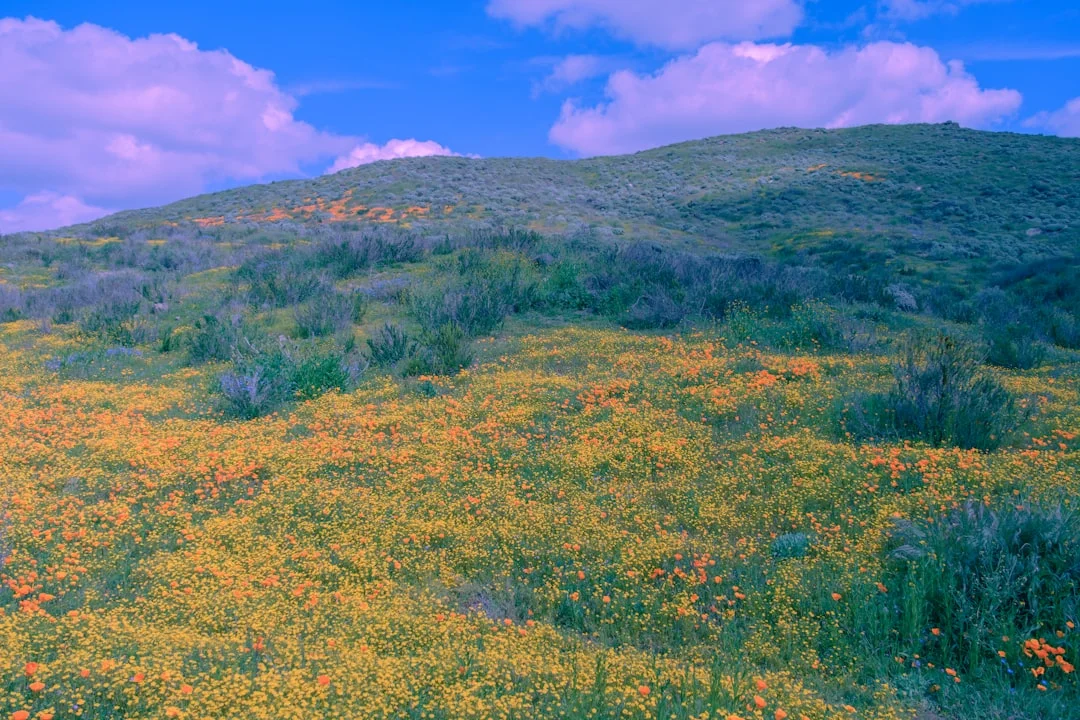
The first time I drove out to find the best wildflower destinations in Yellowstone, I showed up the last week of May expecting carpets of color. What I got was mud, patchy snow at anything above 7,000 feet, and exactly three arrowleaf balsamroot blooms near Mammoth that I photographed like they were the last flowers on Earth. The second time, mid-July, I went straight to Lamar Valley because every guide says it’s the best wildflower destination in Yellowstone. The balsamroot was already brown and crispy. Peak bloom had passed three weeks earlier.
Two trips. Two misses. It took a third attempt and a lot of reading to figure out the thing that no single wildflower guide seemed to spell out clearly: Yellowstone doesn’t have a wildflower season. It has five of them, stacked by elevation, each lasting barely two weeks.
Scope: This guide compares five specific wildflower destinations in Yellowstone by elevation band: Lamar Valley, Hayden Valley, Cascade Lake Trail, Dunraven Pass, and Mount Washburn. It does NOT cover the Mammoth Hot Springs terraces, geyser basins along the Firehole River, or wildflower viewing outside the park boundary.
Quick Decision Summary (Spring 2026)
- Best single-trip window: Late June through first week of July. Three of five locations are in bloom simultaneously.
- When to skip Yellowstone wildflowers entirely: Before May 20 (nothing is open above 7,000 feet) or after August 10 (alpine species are finished).
- Who this is for: Hikers comfortable with 4-6 mile trails at elevation, willing to check NPS road status updates before committing to dates.
- Better alternatives if: You want guaranteed wildflower carpets with zero timing risk, consider Colorado’s Crested Butte area instead (longer bloom window, more predictable timing).
- Biggest timing risk: Dunraven Pass road opening. If it hasn’t opened by your trip date, you lose access to the two highest-elevation destinations.
The Elevation Rule That Changed How I Plan Yellowstone Wildflower Trips
Here’s what finally clicked for me. Yellowstone spans from roughly 5,000 feet at the north entrance to over 10,000 feet at the Mount Washburn summit. Every 1,000 feet of elevation gain delays bloom by about a week. That means when Lamar Valley is peaking in early June, Dunraven Pass is still under snow. When Mount Washburn’s alpine meadows are exploding in mid-July, Lamar Valley has been done for a month.
Research from The Nature Conservancy complicates things further: spring flowers across Greater Yellowstone now bloom an average of 17 days earlier than they did in the 1970s and 1980s, with snowmelt arriving 21 days sooner. So if you’re using bloom dates from an older guidebook, add two to three weeks of adjustment. I learned this the hard way.
The practical takeaway for anyone searching for the best wildflower destinations in Yellowstone: if you can only make one trip, pick your elevation band and time it right. If you can stretch it across late May through July, work your way uphill.
Yellowstone Wildflower Bloom Schedule by Elevation
| Location | Elevation | Bloom Window | Key Species | Difficulty |
|---|---|---|---|---|
| Lamar Valley | 6,600 ft | Late May – mid-June | Balsamroot, lupine, sticky geranium | Roadside |
| Hayden Valley | 7,700 ft | Mid-June – early July | Shooting star, scarlet gilia, yarrow | Roadside |
| Cascade Lake Trail | 7,800 ft | Late June – mid-July | Fringed gentian, monkeyflower | Easy hike (4.4 mi RT) |
| Dunraven Pass | 8,859 ft | Late June – late July | Alpine forget-me-not, glacier lily | Roadside |
| Mount Washburn | 10,243 ft | Early July – early August | Alpine sunflower, bistort | Moderate hike (6 mi RT) |
Lamar Valley: The Most Accessible Wildflower Destination in Yellowstone
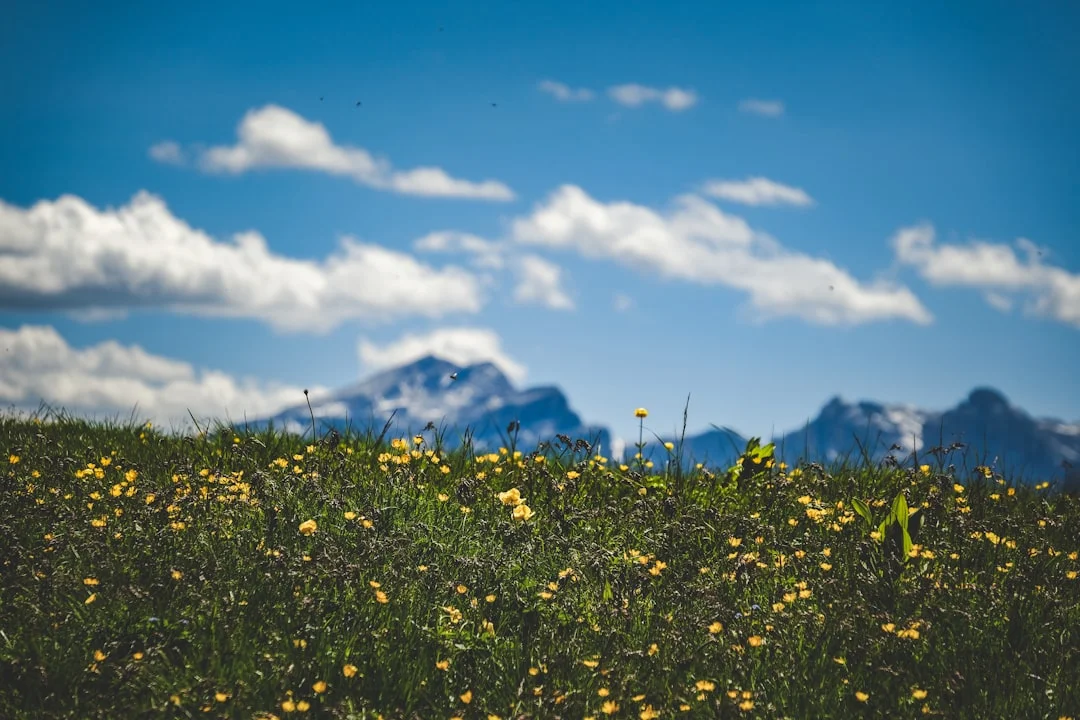
At 6,600 feet, Lamar Valley is the lowest major valley floor in the park and the first place wildflowers show up in any meaningful way. Late May through mid-June is the window. Arrowleaf balsamroot paints the hillsides yellow, lupine adds purple streaks through the sagebrush, and sticky geranium fills in the gaps. Bitterroot and evening primrose come in along the drier margins.
The thing about Lamar is that it’s also prime wildlife country. When I finally timed it right in the first week of June, I spent half my time watching bison calves stumble through balsamroot fields and the other half scanning for wolves with a borrowed spotting scope. The flowers and wildlife overlap is the real draw here, and honestly, it’s hard to beat.
But here’s where I disagree with most guides: Lamar Valley is not the best wildflower destination in Yellowstone if species diversity is what you care about. It’s the most accessible and the most photogenic in that “bison grazing through yellow meadows” kind of way, but you’re seeing maybe five or six species dominating the landscape. For someone who’s genuinely interested in wildflower variety, the mid-elevation and alpine zones are far more rewarding.
Skip Lamar if: You’re arriving after mid-June (by the third week of June, the balsamroot is gone and the valley looks ordinary). Also skip if you’re not a morning person. The best light and wildlife activity is at dawn, and the parking pullouts along the Northeast Entrance Road fill up by 8:00 AM.
Hayden Valley: Best Wildflower Hike in Yellowstone for Longer Bloom Windows
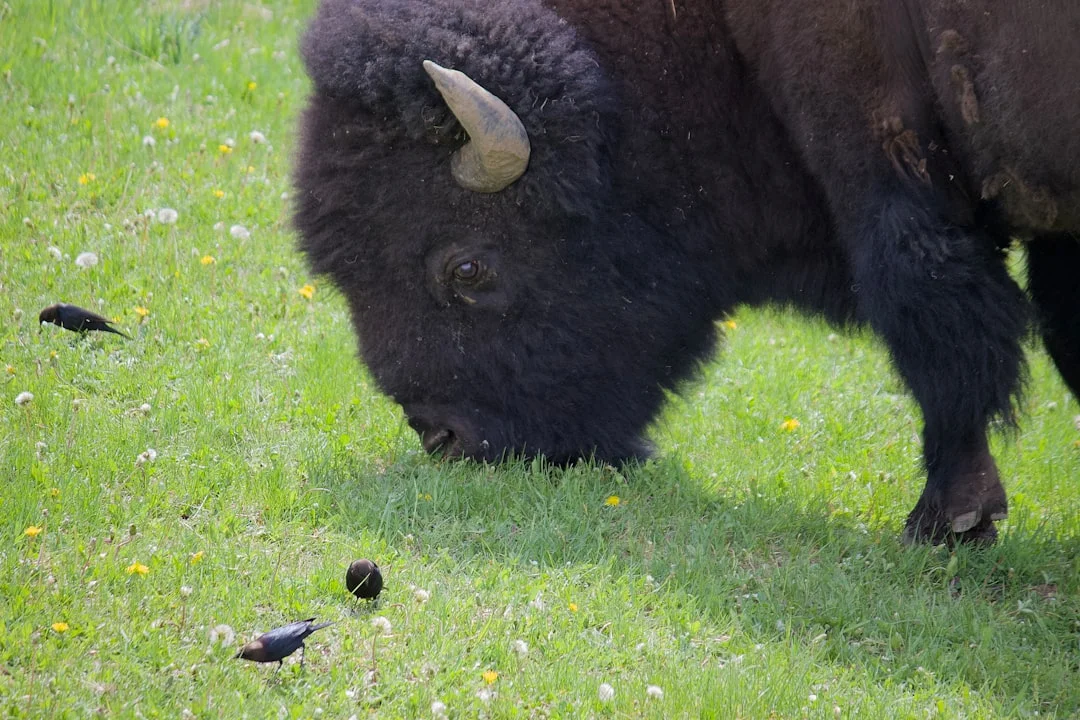
I almost skipped Hayden Valley on my third trip because I’d already “done” a valley. That would have been a mistake. Sitting at 7,700 feet, Hayden blooms about two weeks after Lamar, peaking mid-June through early July. The species list is noticeably longer: balsamroot and lupine show up again, but you also get buttercup, scarlet gilia, cinquefoil, yarrow, and my personal favorite, shooting star with its odd backward-facing petals.
The meadows here are broader and more open than Lamar’s. On a clear day in late June, the color palette shifts from Lamar’s yellow-dominant theme to something more varied. Patches of red gilia mixed with purple lupine and white yarrow against the wide Yellowstone River floodplain. I stood at one pullout for twenty minutes just watching the wind ripple through a mixed field. A bison herd was grazing maybe 200 yards out. It was one of those moments where everything lines up and you forget you’re standing next to a parked car on the Grand Loop Road.
Hayden has a longer bloom window than Lamar, which is forgiving if your timing is slightly off. I’d call it the most reliable of the five best wildflower destinations in Yellowstone for catching something in bloom, even if you’re a few days early or late.
Why choose Hayden over Lamar: More species diversity, two-week-longer bloom window, and you’re less likely to miss peak entirely. Choose Lamar instead if wildlife photography is your priority or you’re visiting before June 10.
Skip Hayden if: You’re visiting in late July or later. By then, the lower meadow species have faded and it’s not worth the stop unless you’re combining it with a Canyon Village visit anyway.
Cascade Lake Trail: Best Wildflower Hike in Yellowstone National Park for Rare Species
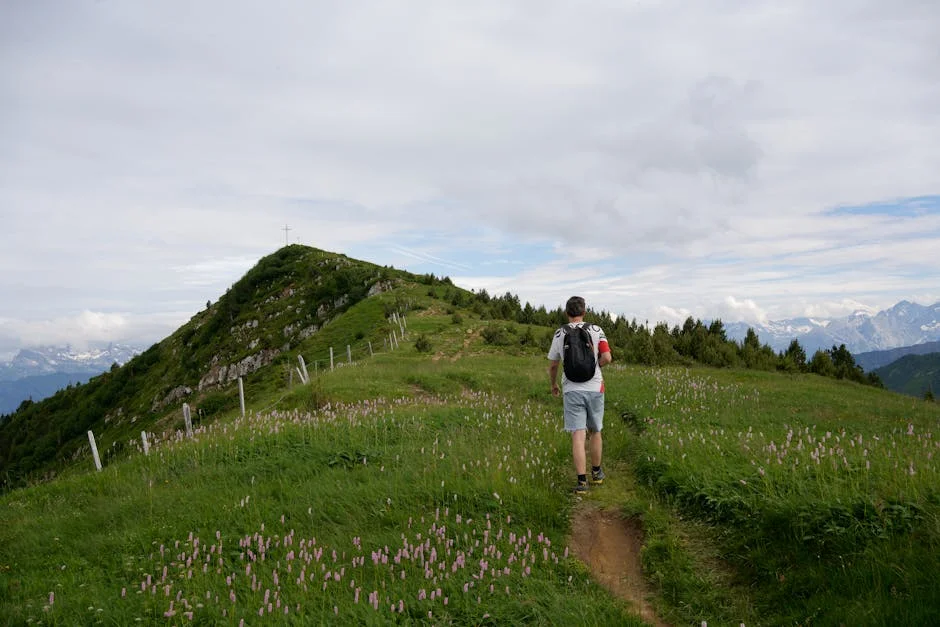
This is the one I’d point people toward if they care more about unique species than scenic overlooks from the car. Cascade Lake Trail is a 4.4-mile round trip starting 1.25 miles north of Canyon Junction, with only 295 feet of elevation gain. Easy enough in terms of effort. The trailhead sits at about 7,800 feet.
The reason to come here: fringed gentian, which is Yellowstone’s official flower, and you won’t see it from a road pullout. It grows in the moist meadows near the lake and along Cascade Creek, alongside Lewis monkeyflower and elephanthead lousewort. These are moisture-dependent species that need the creek and lake environment, and they simply don’t exist in the drier valley floors.
I hiked Cascade Lake in early July last year. The trail was still muddy in patches and I could see remnant snow in the tree line. The gentian wasn’t fully open yet. A ranger I spoke with at Canyon said I was about a week early. Peak for this trail tends to be the last week of June through mid-July, but the trail can stay wet and partially snowy well into July, which throws off the timing.
One thing nobody warned me about: this is serious grizzly country. NPS specifically flags this trail for bear activity. I carried spray but felt jumpy the entire hike. I’m not sure my nerves could handle it solo. If you go, bring a hiking partner and make noise.
Why choose Cascade Lake over other destinations: Only place to see fringed gentian and other moisture-dependent species. Worth it if you want to see wildflowers you literally cannot find at any other Yellowstone destination.
Skip Cascade Lake if: The trail is still under snow (check at the Canyon Visitor Center), or if you’re uncomfortable hiking in grizzly habitat. I’d also skip it before late June. There’s nothing to see if the moisture-dependent species haven’t opened.
Dunraven Pass and Mount Washburn: When to See Wildflowers in Yellowstone at Peak Alpine Bloom
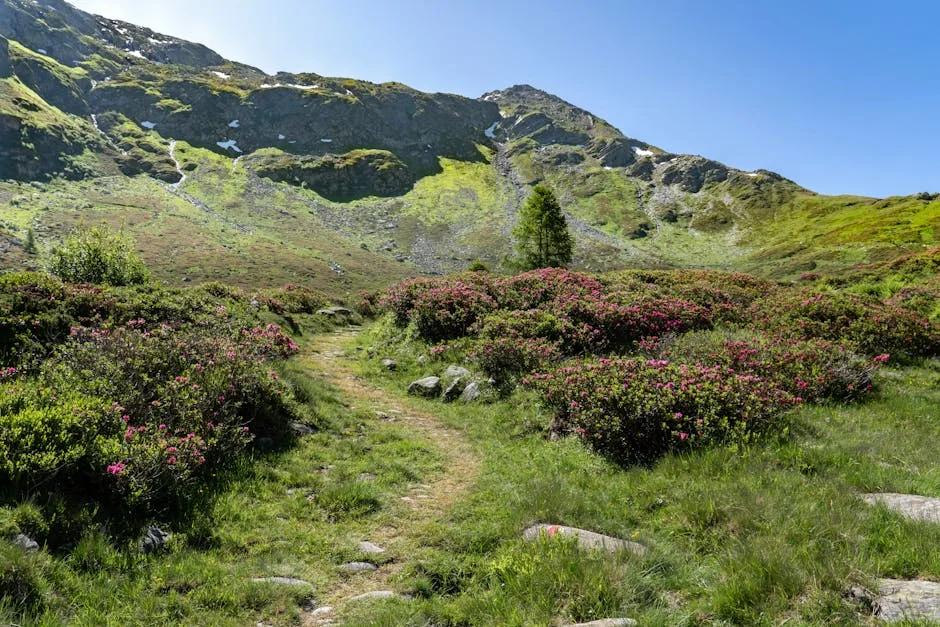
I’m grouping these two because they share a road gate and an elevation range, but they’re very different experiences.
Dunraven Pass sits at 8,859 feet and is the highest road pass in the park. The road connecting Tower-Roosevelt to Canyon typically opens in late May (it opened May 23 in 2025), and that date controls everything. You can’t plan for Dunraven until NPS confirms the road is open. I’ve seen years where it doesn’t open until the first week of June, and short-term re-closures for late-season storms are common.
When you do catch it right, Dunraven Pass roadside is genuinely spectacular. Alpine forget-me-not, glacier lily emerging right at the snowmelt edge, sky pilot wedged into rocky outcroppings, and sweeping fields of lupine and Indian paintbrush. This is where the species shift from meadow flowers to true alpine flora, and the difference is striking. Peak bloom runs late June through late July.
Mount Washburn starts where Dunraven Pass ends and climbs to 10,243 feet. The Dunraven Pass route is 6 miles round trip with 1,400 feet of elevation gain. There’s an alternative from Chittenden Road (4.5 miles, 1,500 feet gain) that’s steeper but shorter. Either way, it’s the most physically demanding wildflower destination on this list.
The payoff is alpine sunflower (old-man-of-the-mountain), bistort, alpine buttercup, and more sky pilot. These species don’t exist anywhere below 9,000 feet. The summit meadows bloom from early July into early August. Bighorn sheep are commonly spotted along the upper switchbacks. The 360-degree view from the summit is a bonus, but honestly, I was so focused on the flower fields during my July climb that I barely looked up.
I’ll admit something: Mount Washburn kicked my legs harder than I expected. The 1,400 feet of gain doesn’t sound like much, but at altitude, after scrambling over loose rock sections, I was breathing harder than I wanted to admit. I wouldn’t call this an intermediate hike in the way most guides do. If you’re not regularly hiking above 8,000 feet, give yourself extra time and bring more water than you think you need.
Not recommended if: The Dunraven Pass road hasn’t opened yet (check the NPS road status page). Skip Mount Washburn if afternoon thunderstorms are forecast or if winds exceed 25 mph. The summit is the most exposed point in this part of the park, and lightning up there is not theoretical. I turned around once at the halfway point because clouds were building fast from the west. I don’t regret it.
Comparing the 5 Best Wildflower Destinations in Yellowstone
How do these five wildflower destinations in Yellowstone stack up against each other? Here’s my honest comparison based on three seasons of visits:
| Factor | Lamar Valley | Hayden Valley | Cascade Lake | Dunraven Pass | Mt. Washburn |
|---|---|---|---|---|---|
| Species diversity | Low (5-6) | Medium (10+) | High (unique) | High (alpine) | Highest (alpine-only) |
| Timing forgiveness | Narrow (2 wks) | Wide (3-4 wks) | Medium (2-3 wks) | Medium (4 wks) | Medium (4 wks) |
| Physical effort | None (roadside) | None (roadside) | Easy (4.4 mi) | None (roadside) | Moderate (6 mi) |
| Timing risk | Low | Low | Medium (snow) | High (road gate) | High (road + weather) |
| Wildlife bonus | Excellent | Good | Low | Low | Good (bighorn) |
| My ranking for flowers | 4th | 3rd | 2nd | 2nd | 1st |
My pick for a single-day visit: Hayden Valley plus Dunraven Pass roadside if the road is open. You get mid-elevation and alpine species in one day with no hiking required.
My pick for a dedicated wildflower trip: All five, spread across late June through mid-July, working uphill from Hayden to Washburn.
My Decision Logic for When to See Wildflowers in Yellowstone: Spring 2026 Plan
I haven’t been to Yellowstone yet this spring. Here’s my plan based on what I’ve learned, and what I’d tell a friend:
Late May (Memorial Day week): Lamar Valley should be starting. Drive the Northeast Entrance Road early morning for balsamroot and wildlife. Don’t bother going above 7,500 feet yet.
Second week of June: Lamar should be near peak or just past. Head to Hayden Valley for mid-elevation species and check whether Dunraven Pass road is open.
Late June through first week of July: This is the sweet spot if you can only pick one window. Hayden Valley is still going, Cascade Lake Trail should be peaking, and Dunraven Pass roadside is coming into bloom. You could reasonably hit three of the best wildflower destinations in Yellowstone in two days.
Mid to late July: The valleys are done. Focus on Dunraven Pass and Mount Washburn for alpine species. This is the only window for old-man-of-the-mountain and the highest alpine buttercup fields.
A wet spring pushes everything back one to two weeks but tends to produce thicker, denser wildflower displays. A dry, early spring compresses the windows and can mean faded flowers two weeks ahead of schedule. Check the Yellowstone road status updates and snowpack reports before you commit to dates. I check the NPS site weekly starting in April.
2025-2026 Conditions Update
Based on the 2025 season and early 2026 data:
- The Dunraven Pass road opened May 23 in 2025, roughly on schedule. If 2026 follows a similar pattern, plan for late May access.
- The 2025 season saw a late May snow event at Dunraven Pass followed by one of the best July alpine blooms in recent memory. Late snow often means better high-elevation displays.
- The year before (2024), a warm April meant Lamar Valley peaked in the third week of May and was almost finished by Memorial Day — nearly two weeks ahead of the historical average.
- The Nature Conservancy’s documented 17-day-earlier bloom trend is an average; individual years still swing wildly. I check USDA snowpack telemetry and NPS road updates weekly starting in April to adjust timing.
The Part That Keeps Me Coming Back
Yellowstone has over 1,100 native flowering plant species. I’ve probably identified forty of them with any confidence. Every trip I realize how much I’m missing because I don’t know what I’m looking at. The small white flowers along Cascade Creek? I still can’t tell yarrow from cow parsnip at a glance, which matters because cow parsnip will burn your skin. The purple things that aren’t lupine? Could be half a dozen species.
I keep meaning to buy a proper field guide and actually use it instead of taking photos and identifying later. I haven’t done that yet. If you’re better at plant ID than I am, which is a low bar, you’ll get more out of these locations than my descriptions suggest.
What I can say is this: the best wildflower destinations in Yellowstone aren’t a single location. They’re an elevation progression. Start low in late May, work your way up through June and July, and accept that you’ll probably miss peak at least one spot. I’ve been three times and I still haven’t nailed all five in one season. Maybe this year.
Field Decision Notes (Spring 2026)
- Best single month: Late June. Three of five locations overlap in bloom.
- Gear threshold: Below 8,000 feet, trail runners are fine. Above 8,000 feet (Dunraven/Washburn), bring hiking boots and trekking poles for loose rock. If snow depth > 6 inches on trail, turn back or bring microspikes.
- Bear spray: Required for Cascade Lake Trail. Recommended for Mount Washburn. Buy in the park if you don’t have your own.
- When NOT to go: Don’t attempt wildflower-focused trips before Memorial Day (too early for all but the lowest elevations). Don’t plan around Dunraven Pass until NPS confirms the road is open. Don’t hike Mount Washburn if afternoon thunderstorm probability exceeds 40%.
- Common mistakes: Arriving in the third week of May expecting full bloom (you’ll be two weeks early at most locations). Planning a single day and trying to hit all five locations (physically impossible; pick two or three).
- First-timer advice: Start with Hayden Valley and Dunraven Pass roadside in late June. Zero hiking required, good species diversity, and you can add Cascade Lake Trail as a half-day extension if conditions are right.
References
Official Sources:
- Wildflowers – Yellowstone National Park – National Park Service
- Cascade Lake Trail – National Park Service
- Dunraven Pass – Mount Washburn Trail – National Park Service
- Lamar Valley – Wildlife Watching – National Park Service
- Dunraven Pass Opens for 2025 Season – National Park Service
Research:
- Spring Flowers Are Blooming Earlier in Greater Yellowstone – The Nature Conservancy
Guides:
- Experience the Peak Wildflower Season in Yellowstone – Yellowstone Forever
- Complete Guide to Wildflowers in Yellowstone – Covered Ground Tours
- Wildflower Viewing Guide for Yellowstone Visitors – Grizzly RV Park