
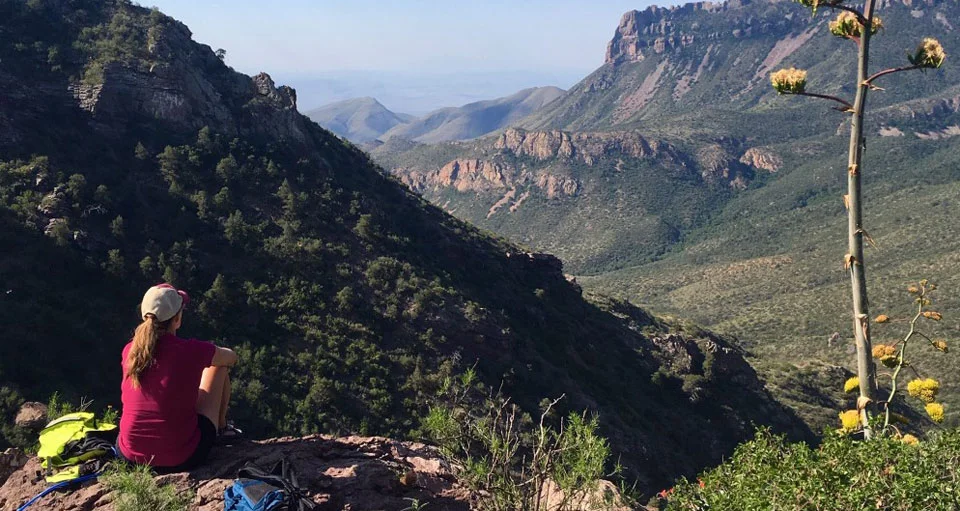
If you are planning Big Bend winter hiking in the Chisos Basin, this guide covers everything intermediate hikers need to know. From trail comparisons to real-world conditions, I will share what I learned during my January 2026 visit to help you make the most of your trip.
Scope: This guide focuses specifically on intermediate-level day hikes in the Chisos Basin trail system during winter months (December-February). It does NOT cover the Rio Grande river trails, desert floor hikes, or multi-day backpacking routes.
Quick Decision Summary (Winter 2025-2026)
- Best conditions for Big Bend winter hiking Chisos Basin trails: Daytime highs 55-70F, clear skies, winds under 15mph. January and February offer ideal conditions with 45,000-47,000 monthly visitors compared to March’s 83,000.
- When to skip this trip: Spring break week in March (parking fills by 7 AM, 2-hour trailhead waits); when overnight lows drop below 35F and you lack proper layering; during rare winter storms that bring ice to higher elevations.
- Who this is for: Intermediate hikers comfortable with 5-10 mile days and 1,000+ feet of elevation gain. Families with teens who can handle sustained climbs. Photographers seeking dramatic desert light.
- Better alternatives if: You want easier terrain with less elevation, the Chisos Basin Loop (1.8 miles) or Santa Elena Canyon Trail are better choices. If you want strenuous all-day challenges, consider combining Emory Peak with the South Rim.
Winter 2025-2026 Conditions Update
This winter has brought typical mild conditions to the Chisos Mountains:
- Daytime temperatures have consistently reached the mid-60s, with cooler mornings in the low 40s
- No significant snow events at elevation this season, though light dustings have occurred
- Trail conditions are excellent with dry, firm surfaces on all major routes
- URGENT: This is your last winter to hike with full Basin access. Construction for the $22 million lodge replacement begins May 1, 2026, closing the Basin area for approximately two years.
Why Choose Chisos Basin Trails Over Other Big Bend Options
When I first started planning my January 2026 trip to Big Bend, I faced the classic dilemma: with over 150 miles of trails spread across 800,000 acres, where should an intermediate hiker focus?
Compared to the Rio Grande Village trails: The Chisos Basin sits at 5,400 feet elevation, meaning winter temperatures are 15-20 degrees cooler than the desert floor. On a 75F day in the lowlands, the Basin might be a comfortable 55-60F, perfect for sustained hiking. The river trails are better suited for early morning or evening strolls in winter.
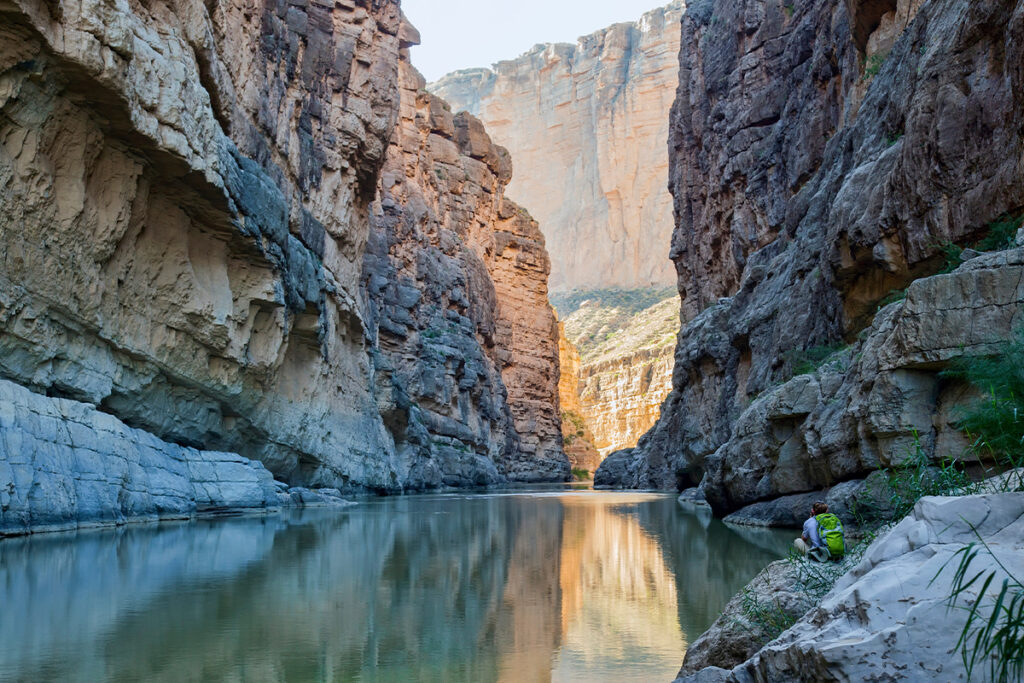
Compared to Santa Elena Canyon: While Santa Elena offers dramatic scenery with minimal effort (1.7 miles round trip), the Chisos trails deliver a more complete hiking experience. You earn your views through steady climbing, and the panoramas from Lost Mine or the Window feel more rewarding.
My choice logic: For a 4-day winter trip with 3-4 hours available each hiking day, the Chisos Basin offered the best concentration of quality intermediate trails. I could park once and access multiple routes without driving across the park.
The National Park Service notes that “the Chisos Mountains provide some of the finest hiking opportunities in Texas.” Having now completed three of the main routes, I understand why.
Best Time to Hike Chisos Basin Trails
The best time to hike Chisos Basin trails is during winter months, specifically late January through mid-February. Here is what makes this timing ideal:
- Temperature: Daytime highs of 55-70F are perfect for sustained climbing
- Crowds: January sees 45,000 visitors vs. March’s 83,000
- Trail conditions: Dry, firm surfaces throughout the season
- Daylight: Sufficient hours for even the South Rim loop
Avoid spring break week (typically mid-March) when parking becomes a major obstacle and trailhead waits can exceed 2 hours.
Lost Mine Trail vs Window Trail Big Bend: The Three-Trail Comparison
After hiking all three major routes during my January visit, here is my honest assessment of each trail’s strengths and weaknesses. Understanding the Lost Mine Trail vs Window Trail Big Bend differences will help you plan your days effectively.
Window Trail: The Sunset Hike
Stats: 5.2-5.6 miles round trip, 948-1,000 ft elevation change, 3-4 hours
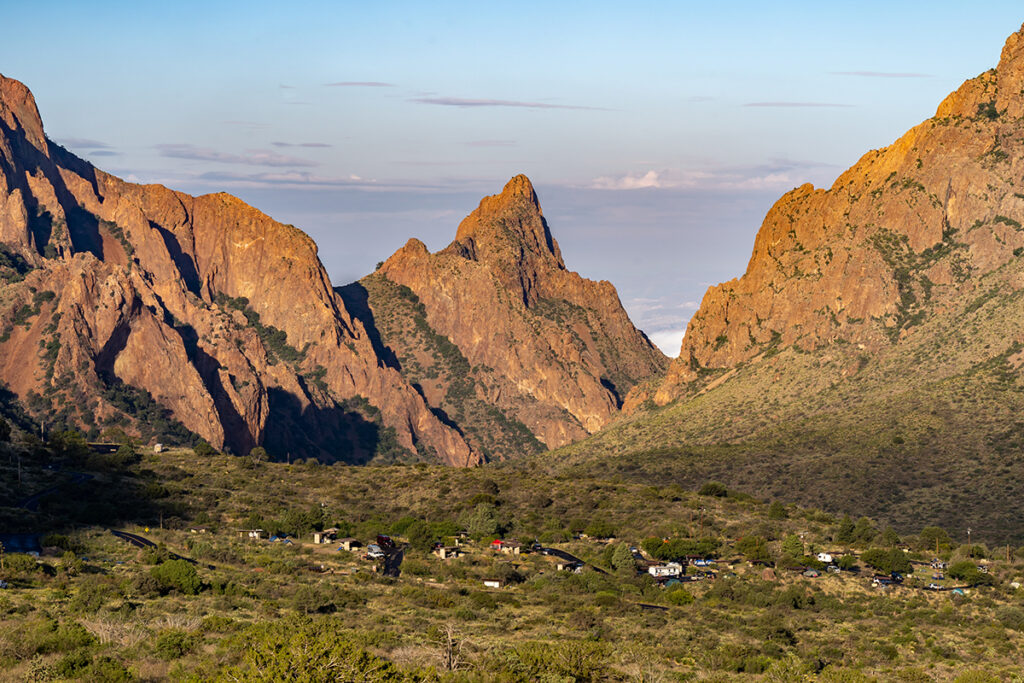
The Window Trail was my first hike on day one, and I chose it deliberately for an afternoon start. The trail descends through Oak Creek Canyon to a pour-off that frames panoramic desert vistas. Easy going down, challenging return.
When to choose Window Trail:
- You want a sunset experience (the Window faces west)
- You prefer to do your climbing when tired, not at the start
- You are staying at the campground (shortens hike by 1.5 miles)
- You want the most iconic Big Bend photograph
When to skip Window Trail:
- You dislike finishing with a 1,000-foot climb
- It is midday with full sun exposure
- Recent rain has made the pour-off rocks slick (they are polished smooth and dangerous when wet)
The descent took me about 1.5 hours at a relaxed pace. The return climb took 2 hours. I started at 3 PM and reached the Window just as golden light poured through the V-shaped opening. However, the uphill return in fading light was harder than expected. Bring a headlamp.
Lost Mine Trail: The Panoramic Payoff
Stats: 4.8 miles round trip, 1,100-1,224 ft elevation gain, 2.5-3.5 hours
Lost Mine was my second-day hike, and it became my favorite. Unlike Window’s descent-then-climb pattern, Lost Mine front-loads the elevation gain. You climb steadily for 2.4 miles to a ridge with jaw-dropping views of Casa Grande Peak (7,325 ft), Lone Mine Peak, and the entire Chisos Basin below.
When to choose Lost Mine Trail:
- You want the best bang-for-effort ratio in the Basin
- You prefer getting the climbing done early
- You want sunrise photography (east-facing views)
- You have only 3-4 hours and want maximum reward
When to skip Lost Mine Trail:
- It is past 9 AM on a weekend (parking lot has only 15-20 spots)
- Wind speeds exceed 20 mph (the exposed summit becomes unpleasant)
- Fog is forecast (views are the entire point)
- The trail is closed for bear activity (check NPS website)
I arrived at the trailhead at 7:30 AM on a Tuesday and got the last parking spot. By the time I descended at 11 AM, cars were circling. On weekends, arrive before 7 AM or face a possible 2-hour wait during spring break weeks.
South Rim Trail: The All-Day Adventure
Stats: 12-14.5 miles round trip, 2,000-2,800 ft elevation gain, 6-8 hours (or overnight)
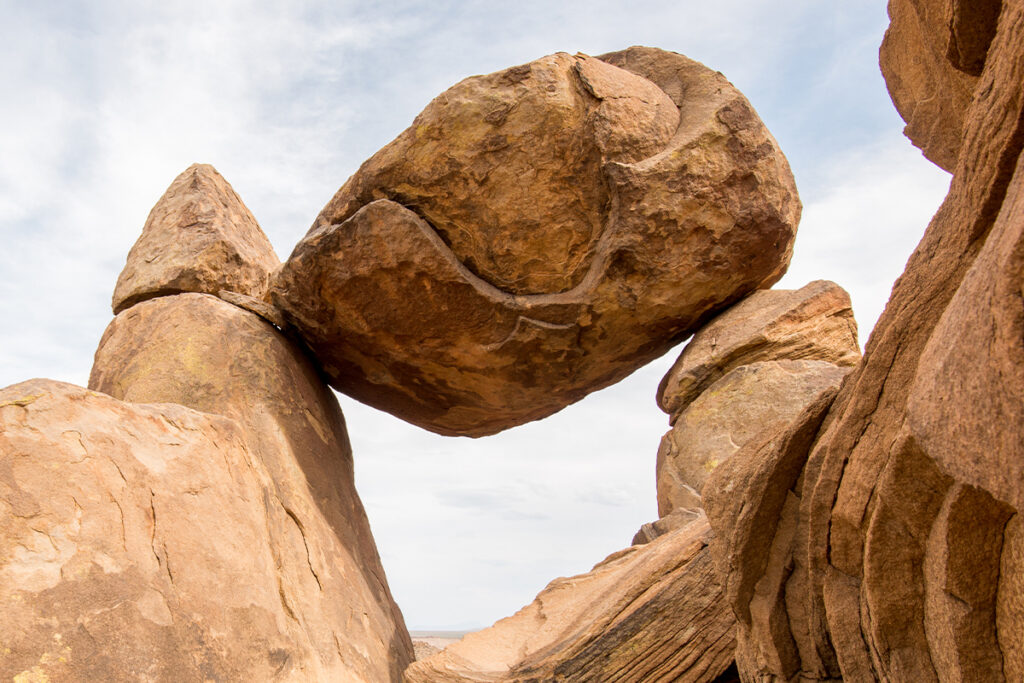
I saved South Rim for my third day, and it pushed my limits. Park rangers consistently call this their favorite trail because the views explain why Big Bend became a national park. The route passes through Boot Canyon, the lushest environment in the park with Arizona Cypress groves.
When to choose South Rim Trail:
- You have 7+ hours and excellent fitness
- You want the most dramatic views in the park
- You are considering overnight backpacking (permits required)
- You want solitude after the initial mile
When to skip South Rim Trail:
- You have not acclimatized to the 5,000+ foot elevation
- Temperatures will exceed 80F (no shade on the South Rim itself)
- It is Peregrine Falcon nesting season (trail sections close February-May some years)
- You are not comfortable with sustained 6+ hour hiking
I completed the loop in 7.5 hours, starting at 6:30 AM and finishing at 2 PM. The final 3 miles were a slog on tired legs. If I returned, I would do this as an overnight trip to enjoy Boot Canyon at sunset.
My January 2026 Big Bend Winter Hiking Journal: What Actually Happened
On the second weekend of January 2026, I drove 6 hours from Austin to Big Bend, arriving at the Chisos Basin Visitor Center around 3 PM. The ranger warned me that nighttime temperatures would drop to 38F and suggested I reconsider my 3-season sleeping bag. I should have listened.
Day One: Window Trail Miscalculation
I started the Window Trail at 3:30 PM, later than planned after waiting for a campsite. The descent through Oak Creek Canyon felt almost too easy. Mexican pinyon pines and oak trees provided welcome shade, and I spotted three javelinas rooting through brush near the creek bed.
The Window itself exceeded expectations. Standing at the pour-off, I watched the sun drop through the V-shaped gap while desert mountains stretched endlessly beyond. I understood immediately why this is Big Bend’s most photographed spot.
My mistake came on the return. The 1,000-foot climb took longer than expected, and I finished the last mile using my headlamp. The temperature had dropped 25 degrees since I started. Lesson learned: even at 4 PM in winter, bring a headlamp and warm layer.
Day Two: Lost Mine Trail Done Right
I corrected my timing on day two, arriving at the Lost Mine trailhead at 7:20 AM. The parking area held only three other cars. The temperature was 42F with clear skies and minimal wind.
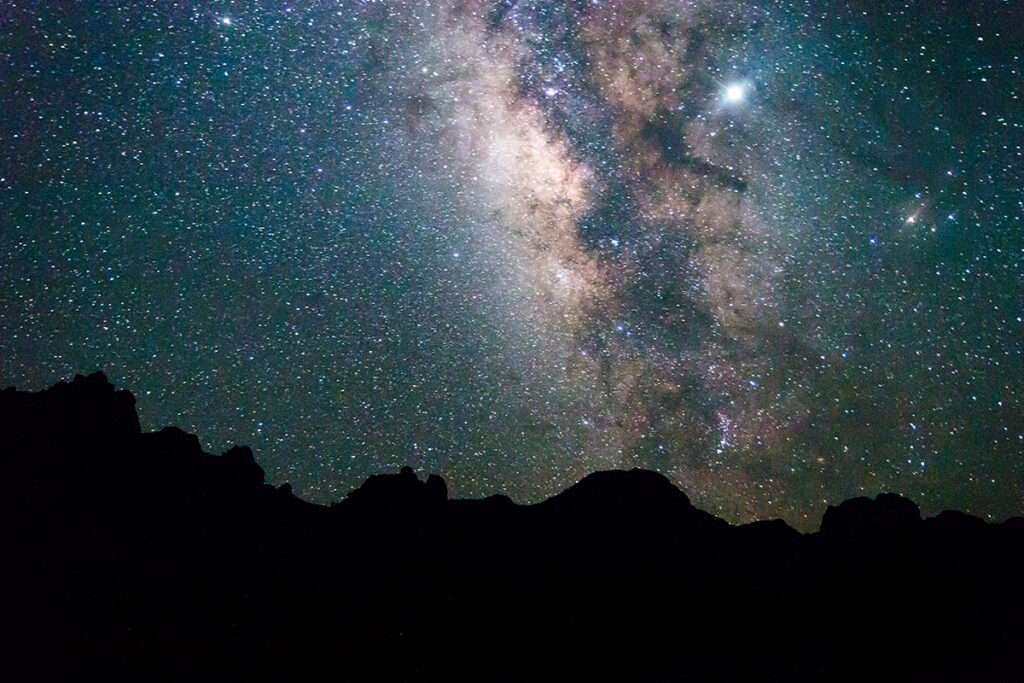
The first mile climbs through juniper and oak forest with occasional switchbacks. By mile 1.5, I had removed my jacket despite the cool air. The trail is sun-exposed for much of its length, and even January sun feels strong at this elevation.
The summit ridge at 2.4 miles delivered exactly what the reviews promised. Casa Grande’s distinctive peak dominated the western view, while the entire Chisos Basin sprawled below like a topographic map come to life. I spent 45 minutes at the top, eating breakfast and photographing the changing light.
The descent took 90 minutes. When I reached my car at 11 AM, the parking lot was full with five cars circling. A family asked if I was leaving, I watched the frustration on their faces when I said yes and they raced for my spot.
Day Three: South Rim Reality Check
The South Rim taught me about Big Bend’s elevation. Starting at 6:30 AM, I felt strong for the first 3 miles through Laguna Meadow. Boot Canyon at mile 5 was hauntingly beautiful, with Arizona Cypress trees creating a microclimate that felt more like New Mexico than Texas.
But the final push to the South Rim exposed my sea-level fitness. The last 800 feet of climbing felt twice as hard as any similar grade back home. When I finally reached the rim, the 100-mile views across Mexico justified every struggled breath.
The return trip was harder than the ascent. My knees protested the steep descent through Pinnacles Trail, and I rationed my water more carefully than planned. I had brought 3 liters and finished with only a quarter liter remaining.
Practical Considerations for Big Bend Intermediate Hiking Trails in Winter
The 50-Degree Temperature Swing
Big Bend’s desert climate creates dramatic day-to-night temperature differences. During my trip, daytime highs reached 68F while nighttime lows dropped to 38F. This 30-degree swing was actually mild; swings of 50 degrees are possible.
Layering strategy that worked for me:
- Base layer: Lightweight merino wool long-sleeve
- Mid layer: Fleece or light down jacket (carried in pack during day)
- Shell: Windbreaker (essential for summit winds)
- Hat and light gloves for early morning starts
I saw other hikers in shorts and t-shirts at 10 AM who were shivering by 4 PM. The desert cools rapidly once the sun drops.
Water and the Desert Hydration Problem
There is no water available on any Chisos Basin trail. The visitor center has water, but once you start hiking, you carry everything you need.
My water consumption:
- Window Trail (3.5 hours): 2 liters
- Lost Mine Trail (3 hours): 1.5 liters
- South Rim (7.5 hours): 3 liters (should have brought 4)
The dry desert air dehydrates you faster than expected, especially with the physical exertion of climbing. I recommend 1 liter per 2 hours of hiking as a minimum baseline.
Wildlife Encounters
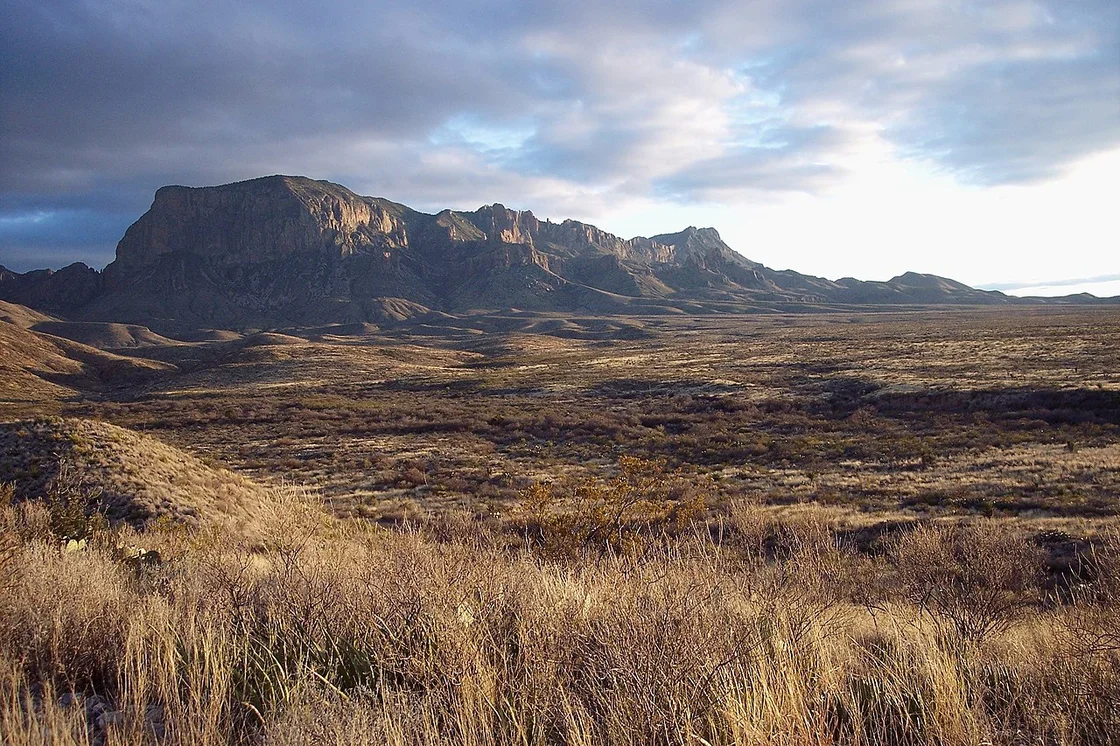
Big Bend hosts black bears, mountain lions, and javelinas. I encountered javelinas twice, both times giving them wide berth. The bears are most active in summer but can be present year-round. Check the NPS website for current trail closures due to bear activity.
Mountain lions are present but rarely seen. Make noise on the trail, especially in Boot Canyon where vegetation limits visibility.
No Cell Service Reality
Your phone will not work in Big Bend. I mean truly, completely zero signal. Tell someone your itinerary before entering the park. The visitor center can assist with emergencies, but on the trail, you are on your own.
The Construction Timeline You Need to Know
This is critical for 2026 planning: The Chisos Basin will undergo major construction starting May 1, 2026. The $22 million lodge replacement project will close significant portions of the Basin area for approximately two years.
What this means for you:
- Winter 2025-2026: All trails fully open, lodging available through April 18, 2026
- After May 1, 2026: Basin access will be significantly restricted
- Through 2028: Construction is expected to last approximately two years
If hiking the Chisos Basin is on your bucket list, this winter or early spring represents your best opportunity for the next 2+ years. The remaining 800,000 acres and 150+ miles of trails outside the Basin will remain accessible, but the premier mountain hiking experience will be disrupted.
Final Thoughts: Is Big Bend Worth the Drive?
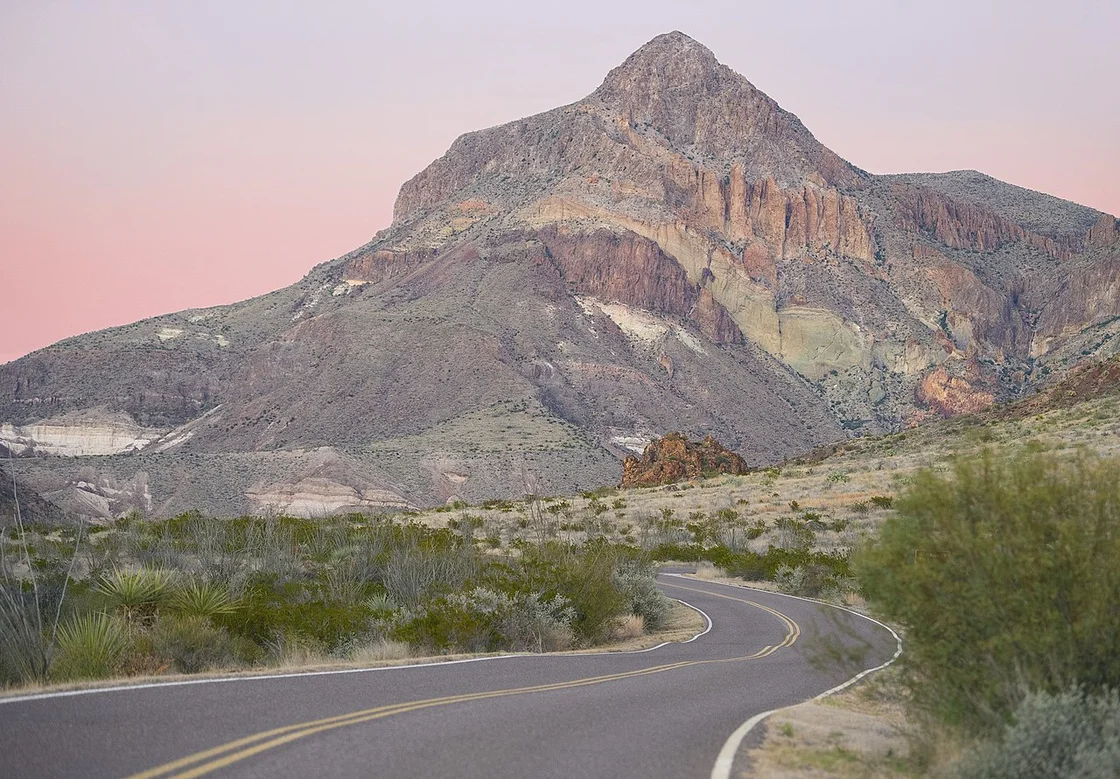
Driving 6 hours from Austin (or 7 from Houston, or 8 from Dallas) to reach Big Bend feels like a commitment. There are closer hiking options in Texas. But none of them deliver what Big Bend winter hiking in the Chisos Basin offers: genuine mountain hiking in a desert sky island, with views that stretch into Mexico and temperatures that make winter hiking genuinely enjoyable.
Would I return? I am already planning a February trip to complete the Emory Peak summit I skipped this time. The combination of mild weather, manageable crowds, and world-class scenery makes winter the ideal season for this remote corner of Texas.
Just remember: arrive at trailheads early, bring more water than you think you need, and check the weather forecast for that dramatic 50-degree temperature swing. Big Bend rewards prepared hikers and humbles those who underestimate its desert environment.
Field Decision Notes (Winter 2026)
- Best month for Big Bend intermediate hiking trails: Late January through mid-February. January offers 45,000 visitors compared to March’s 83,000. February has similar crowds with slightly warmer temperatures.
- Temperature threshold for comfortable hiking: Daytime highs between 55-70F are ideal. Below 50F at the start means cold summit conditions. Above 75F means the South Rim becomes a slog.
- Conditions where risk increases: Overnight temperatures below 35F create possible ice on north-facing sections. Wind speeds above 25 mph make exposed summits dangerous. Any precipitation makes the Window pour-off rocks extremely slick.
- Common mistakes to avoid: Starting Lost Mine after 8 AM on weekends (no parking). Underestimating return climb on Window Trail. Bringing less than 1 liter of water per 2 hours of hiking. Forgetting headlamp for afternoon starts.
- My recommendation for first-time Chisos visitors: Do Lost Mine Trail on your first day. Start by 7:30 AM. Bring 2 liters of water, windbreaker, sunscreen, and snacks. Save Window Trail for sunset on day two. Only attempt South Rim if you regularly complete 10+ mile hikes.
References
Official Sources:
- Mountain Hikes – Big Bend National Park – National Park Service
- The Window Trail – National Park Service
Route Data:
- Lost Mine Trail – AllTrails (8,747 reviews)
- The Window Trail – AllTrails (6,784 reviews)
Trip Reports and Guides:
- Visiting Big Bend National Park in Winter: A Complete Guide – Quirky Travel Guy
- 15 Amazing Hikes in Big Bend National Park – Earth Trekkers
Park Updates:
- Chisos Basin to remain open for Winter 2025 Season – Big Bend Sentinel
Regional Information:
- Chisos Mountains – Visit Big Bend Tourism Board