
Boundary Waters winter camping demands a different mindset than summer trips—this guide covers entry point selection, temperature thresholds, and gear requirements for sub-zero nights in Minnesota’s BWCAW wilderness.
Scope: This guide covers winter camping in the Boundary Waters Canoe Area Wilderness (BWCAW) from late January through early March, focusing on entry point selection, temperature decision thresholds, and gear requirements for sub-zero conditions. It does NOT cover summer/fall canoe camping, backcountry ski touring routes, or ice fishing-only trips.
Quick Decision Summary (Winter 2025-2026)
- Best conditions: Ice thickness 12+ inches, overnight lows above -25F, clear skies for aurora viewing
- When to skip BWCAW winter camping: Forecast overnight lows below -30F, active blizzard warnings, or if you lack a -40F rated sleep system
- Who this is for: Winter campers with 3+ cold-weather camping trips completed, comfortable with 5-10 mile ski/snowshoe days while pulling a pulk
- Better alternatives if: You want easier logistics with heated shelter backup, try the Gunflint Trail lodges; if you want milder temps, wait until late March
Winter 2025-2026 Conditions Update
This winter has brought consistent snow coverage to northeastern Minnesota, with ice forming earlier than average:
- Ice thickness on most BWCAW lakes reached 12 inches by mid-January, roughly two weeks ahead of typical years
- Snowpack is 24-30 inches in the interior, requiring snowshoes for any off-lake travel
- Compared to 2024-2025: Fewer mid-winter thaw cycles have created more stable ice conditions, but also harder packed snow on portage trails
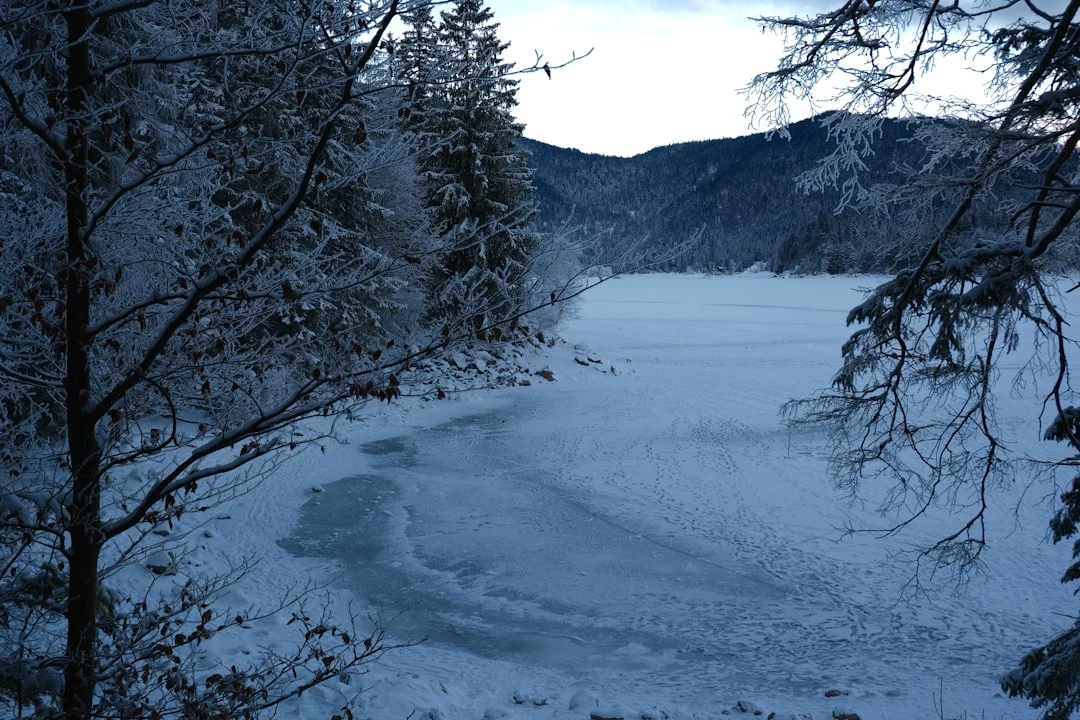
The thermometer read -18F when I stepped out of my tent onto the frozen surface of Snowbank Lake last February. My breath crystallized instantly, hanging in the still air before drifting away. In that moment, surrounded by absolute silence broken only by the occasional rifle-crack of expanding ice, I understood why people call the Boundary Waters “the quietest place in North America.”
But getting to that moment required decisions that started months before—choosing the right entry point, building a gear system rated for arctic conditions, and establishing clear abort thresholds. Winter camping in the BWCAW rewards preparation and punishes improvisation. The wilderness doesn’t care about your itinerary.
Why Choose Boundary Waters Winter Camping Over Other Destinations
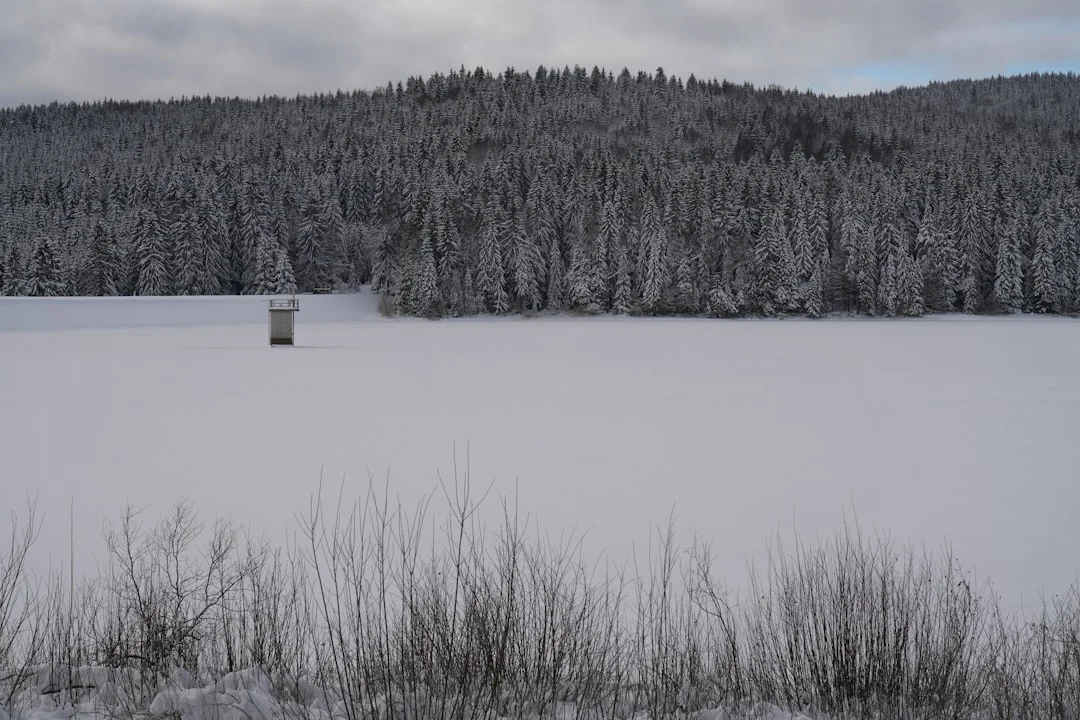
- Compared to Pictured Rocks (Michigan): The Boundary Waters offers true wilderness isolation with no road noise, while Pictured Rocks has Highway 58 running through the park. BWCAW also has more reliable ice conditions for lake travel.
- Compared to Apostle Islands (Wisconsin): BWCAW has guaranteed access via plowed roads to multiple entry points; Apostle Islands ice caves require lake ice that forms unpredictably and often closes mid-season.
- Compared to Voyageurs National Park: BWCAW permits camping anywhere along the shoreline with over 2,000 designated sites, while Voyageurs has limited winter camping options and allows motorized use.
- My choice logic: For intermediate winter campers stepping up from car camping, the Boundary Waters offers the rare combination of true wilderness (no motors, no road noise, no cell service) with relatively predictable access and established campsites. The learning curve is steep but manageable if you choose your entry point wisely.
Choosing Your Entry Point: Snowbank vs Sawbill vs Gunflint
The entry point decision determines your entire trip experience. After camping from three different entry points over consecutive winters, here’s what I’ve learned about matching entry points to experience levels.
Snowbank Lake (Entry Point 27) — Best for First-Timers
Snowbank Lake sits at the end of Fernberg Road, about 25 miles east of Ely. The road is plowed reliably throughout winter, and the entry point has a self-issue permit kiosk that’s accessible even in deep snow.
Why I recommend Snowbank for your first BWCAW winter trip:
- Flat lake travel with no portages required for a 2-3 night trip
- Established winter campsites on Boot and Ensign lakes are easy to locate
- If conditions deteriorate, you’re never more than a half-day ski back to the trailhead
- Piragis Northwoods in Ely offers gear rental and last-minute supplies
The downside: Snowbank sees the most winter traffic of any entry point. On a February weekend, you might see 2-3 other groups. That’s crowded by BWCAW standards.
Sawbill Lake (Entry Point 38) — For Solitude Seekers
Sawbill Lake lies 25 miles north of Tofte on the Sawbill Trail. The road access is less certain than Snowbank—Sawbill Outfitters maintains the road, but you should call ahead to confirm conditions.
Why consider Sawbill:
- Far less winter traffic than the Ely-area entries
- Sawbill Outfitters operates with limited winter hours, providing an emergency backup
- The route into Alton and Beth lakes offers genuine isolation
- Shorter drive from Minneapolis (4.5 hours vs 5 hours to Ely)
The trade-off: Longer portages and less-traveled routes mean more self-reliance. I wouldn’t recommend Sawbill unless you’ve completed at least one BWCAW winter trip or have significant winter backcountry experience elsewhere.
Gunflint Trail Entries (Entry Points 43-54) — Maximum Flexibility
The Gunflint Trail runs 57 miles from Grand Marais to the Canadian border, with multiple entry points scattered along its length. The road is plowed year-round and passes several lodges that remain open in winter.
The Gunflint advantage:
- Lodge backup options if conditions become dangerous
- Multiple entry points let you adjust plans based on ice reports
- Seagull Lake (Entry 54) and Saganaga Lake (Entry 55) offer excellent northern lights viewing from wide-open lake surfaces
- Clearwater Historic Lodge and other outfitters can provide local conditions intel
Why I sometimes choose Gunflint over Snowbank: When I’m planning a trip focused on aurora viewing, the extra 30-minute drive to Gunflint is worth it. The lakes are oriented better for northern sky views, and having a lodge within a day’s travel provides genuine peace of mind when temperatures drop toward -30F.
Lake One (Entry Point 30) — The Reliable Middle Ground
Lake One sits 30 miles down Fernberg Road from Ely. It’s regularly plowed, has a pit toilet, and offers moderate difficulty.
Best for: Campers who want reliable access without the crowds at Snowbank, but aren’t ready for the commitment of Sawbill.
Temperature Thresholds: When to Go, When to Abort
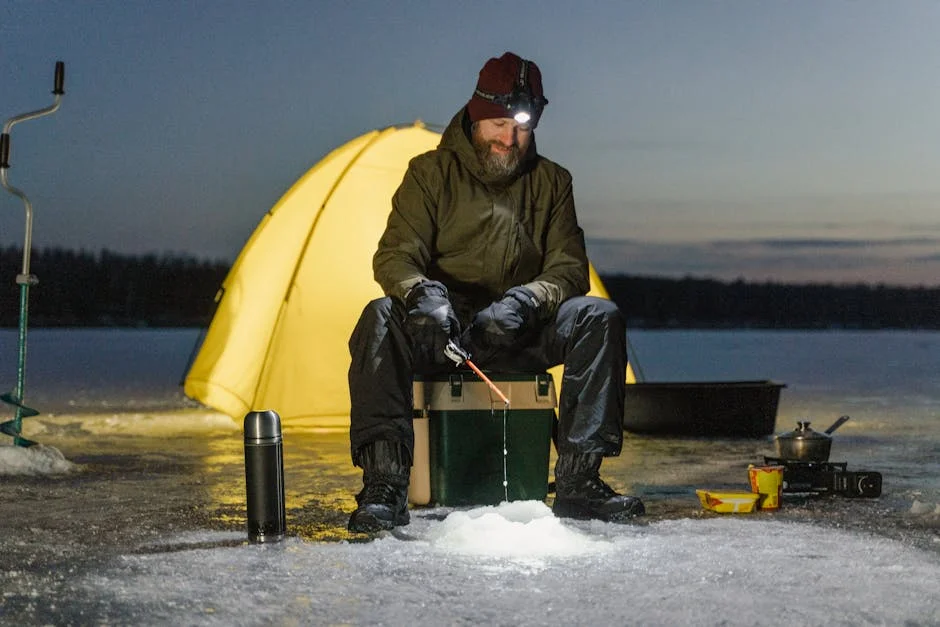
Winter weather in the Boundary Waters ranges from manageable to life-threatening, sometimes within the same 24-hour period. Before every trip, I establish clear decision thresholds—numbers that trigger specific actions, no negotiation.
My Go/No-Go Thresholds
| Forecast Condition | Decision |
|---|---|
| Overnight low above -20F | Normal trip planning |
| Overnight low -20F to -25F | Proceed with extra caution, shortened daily travel |
| Overnight low below -25F | Reconsider trip timing or destination |
| Overnight low below -30F | ABORT — Frostbite risk in 10 minutes of exposed skin |
| Wind chill below -40F | RETREAT to entry point — Exposed skin freezes in 5 minutes |
These aren’t arbitrary numbers. At -30F, any equipment failure becomes an emergency. A stove that won’t light, a zipper that freezes shut, boot liners left outside the sleeping bag overnight—any of these manageable annoyances becomes a survival situation when frostbite develops in minutes.
Ice Safety Thresholds
| Ice Thickness | Safe For |
|---|---|
| 4 inches | Not safe for travel |
| 8 inches | Single person, careful travel |
| 12 inches | Foot travel with snowshoes and pulk |
| 15+ inches | Pulk crossings on larger lakes |
Critical practice: Check ice thickness at each new lake. Conditions vary based on current, snow cover, and springs. If you hear cracking sounds or see water pooling on the surface, retreat immediately.
The USDA Forest Service posts ice condition updates through the Superior National Forest office. Check weather.gov/dlh (NOAA Duluth) for the most accurate Arrowhead region forecasts before departure.
Sub-Zero Camping Gear Requirements for -40F Nights
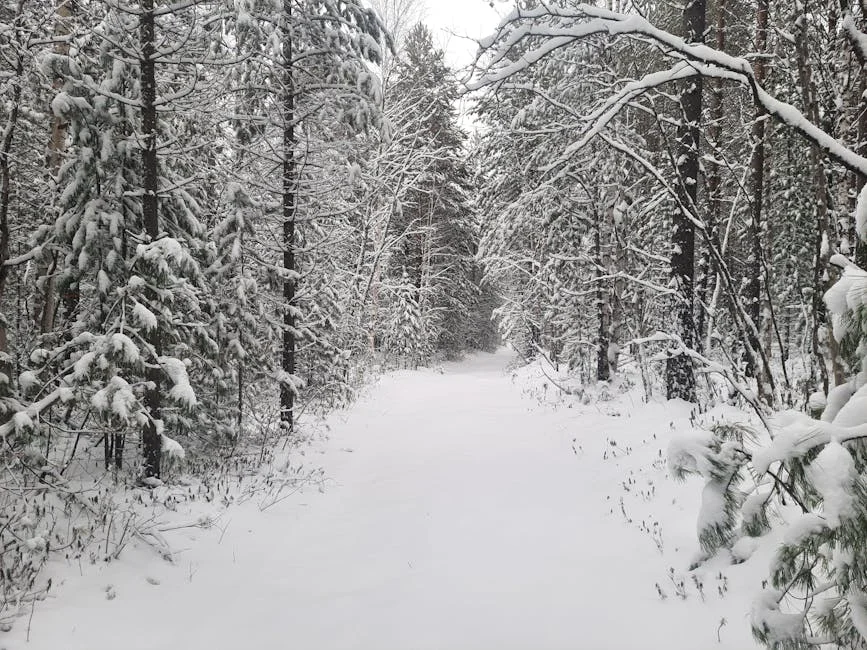
Your gear list for BWCAW winter camping isn’t just about comfort—it’s about survival margin. Every item needs to work at -40F, because that’s what an arctic outbreak brings, and they happen most winters.
Sleep System (Non-Negotiable)
- Sleeping bag: -40F rated minimum. I use a down bag for the weight savings, but synthetic is more forgiving if condensation becomes an issue.
- Sleeping pad: R-value 6 or higher. I stack a closed-cell foam pad under an inflatable for redundancy—if the inflatable fails, I still have insulation from the ice.
- Boot liner protocol: Sleep with your boot liners inside your sleeping bag. Frozen boot liners are unwearable, and unwearable boots end your trip immediately.
Stove and Water
- White gas stove only: Butane and propane canisters fail below 20F. Don’t learn this lesson in the field.
- Water bottles: Insulated bottles stored inside your pack, never outside or in pack pockets. Hydration bladders freeze solid within hours—leave them at home.
- Water collection: Cut a hole in the lake ice, mark it with spruce boughs, and check every 2 hours before it refreezes. Each ice hole takes 15-20 minutes to cut.
Transport: The Pulk System
A pulk (ski sled) with rigid poles is essential for moving winter camping gear. Rope connections don’t provide enough control on downhill sections—you need the rigid connection to prevent the sled from running into your heels.
Weight guideline: 50-70 lbs for a 3-day trip is manageable. Over 80 lbs becomes exhausting on uphill portages and risks injury on descents.
Emergency Essentials
- Satellite communicator: SPOT or Garmin InReach. There is zero cell service in the BWCAW, and no rescue is coming without satellite communication.
- Chemical hand warmers: Pack 10+ pairs. They’re not your primary heat source, but they’re critical backup if gloves get wet or a stove fails.
- Stove failure protocol: No fire permits are issued for winter BWCAW camping. If your stove fails, you must retreat to the entry point. There is no plan B.
Northern Lights: Why Winter is Prime Viewing Season
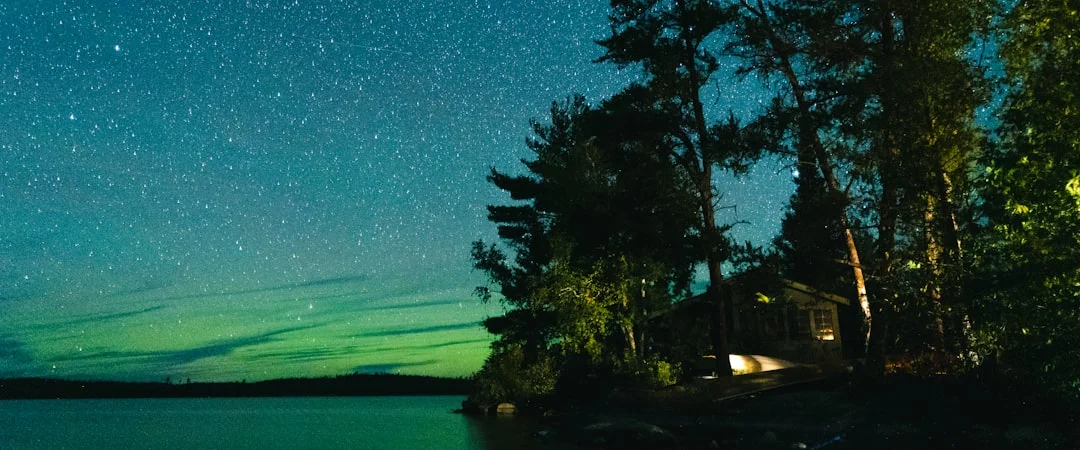
The Boundary Waters was designated an International Dark Sky Sanctuary in September 2020—just the 13th location in the world to receive this recognition. The combination of zero light pollution, winter’s long nights, and frozen lake surfaces creates optimal aurora viewing conditions.
Viewing Strategy
- Best months: Late January through early March offers the longest nights with typically stable weather
- Moon timing: Target the week before or after the new moon for darkest skies
- Location selection: Camp on a lake with northern exposure and minimal tree line obstruction. Larger lakes like Seagull or Saganaga provide better horizon views.
- Patience: Aurora activity is unpredictable. Check NOAA’s Space Weather Prediction Center before your trip, but understand that even favorable forecasts don’t guarantee displays.
The frozen lake surface becomes your viewing platform. Lying on a closed-cell foam pad on the ice, staring straight up at the dancing green and purple curtains, with wolf howls echoing across the frozen wilderness—it’s an experience that justifies every difficult decision that got you there.
Wildlife Encounters
January and February mark wolf breeding season in the BWCAW. You’re more likely to hear wolves than see them, but tracks in fresh snow are common. Moose encounters happen most often on portage trails—give them a 50+ yard buffer and don’t attempt to pass until they move on.
Permits and Regulations
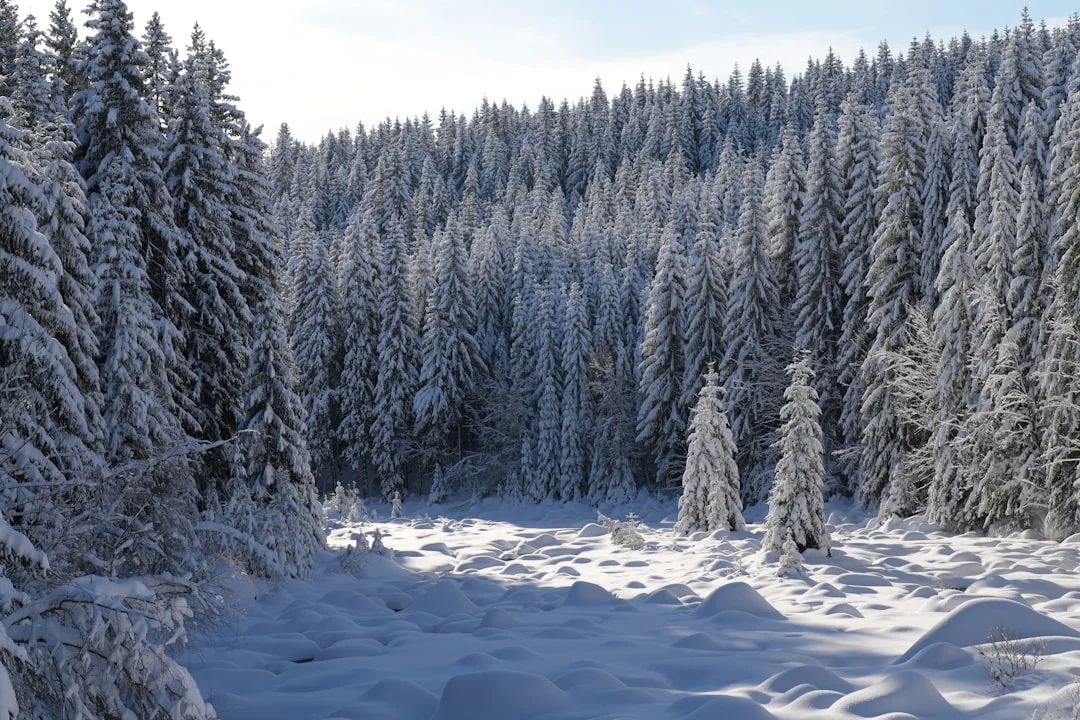
Winter permit regulations are simpler than the quota-controlled summer season:
- Permit period: October 1 through April 30
- Cost: Free
- Reservation: Not required
- Process: Self-issue at entry point kiosks
- Quota: None — you won’t be turned away
The bear-aware food storage order remains in effect through April 2026, though bear encounters in deep winter are essentially nonexistent. Standard food hanging or bear canister protocols apply.
Outfitter Resources
If you’re not ready to assemble a complete winter camping kit, several outfitters offer rentals and guided trips:
| Outfitter | Location | Services |
|---|---|---|
| Piragis Northwoods | Ely | Gear rental, guided trips, shuttle |
| Sawbill Outfitters | Tofte | Winter road maintenance, rentals |
| Wintergreen Dogsled Lodge | Ely | Dog sledding, winter camping |
| Clearwater Historic Lodge | Gunflint Trail | Lodging, local conditions intel |
For first-timers, a guided trip eliminates the gear investment and provides experienced decision-making in uncertain conditions. It’s not admitting defeat—it’s risk management.
Final Thoughts on Boundary Waters Winter Camping
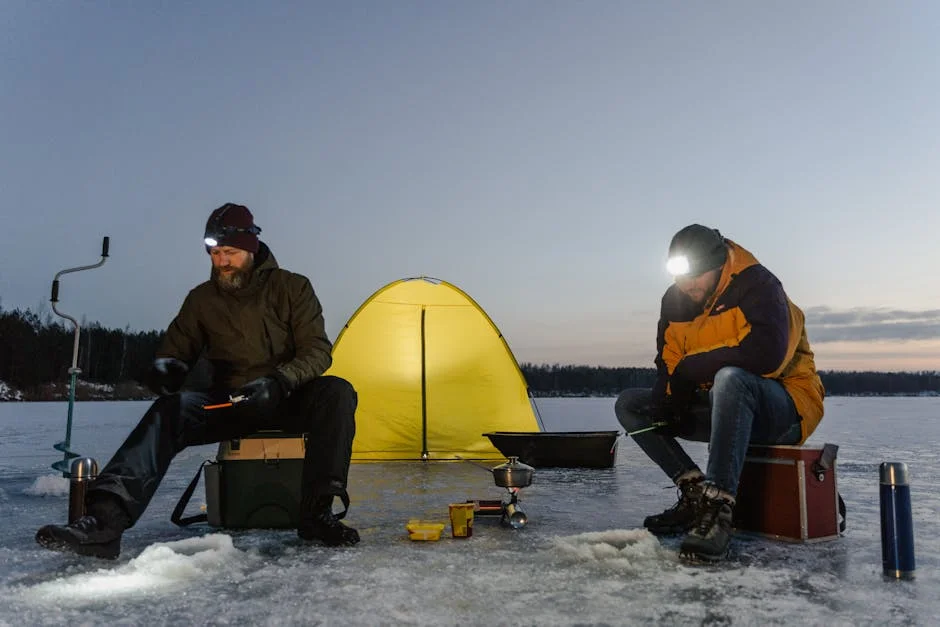
Winter camping in the Boundary Waters isn’t about conquering the wilderness. The wilderness is indifferent to your ambitions. It’s about developing the judgment to recognize when conditions exceed your capabilities, the discipline to turn back when thresholds are crossed, and the preparation to create comfort in genuinely hostile conditions.
The reward is access to a world that few people ever experience—a million acres of frozen silence, dark skies that reveal the full depth of the universe, and the knowledge that you earned every moment of peace through months of preparation and careful decision-making.
Start at Snowbank. Build your systems. Learn the rhythms of sub-zero camping. Then, when you’re ready, push deeper into the frozen heart of the wilderness.
Field Decision Notes (Winter 2025-2026)
- Best month: Late January to early March — ice is thick (12+ inches), daylight exceeds 10 hours, temperatures are cold but manageable above -25F most nights
- Entry point for first-timers: Snowbank Lake (Entry 27) — most reliable road access, short travel to established campsites, Ely provides gear/supplies
- Gear threshold for temperature: Below -25F overnight low, your sleep system must be rated to -40F with R-value 6+ pad; no exceptions
- Ice thickness minimum: 12 inches for foot travel with snowshoes and pulk; 15 inches for confident crossing on larger lakes
- Abort conditions: Forecast below -30F overnight, wind chill below -40F, stove failure (no campfires permitted), ice cracking or water pooling
- Common mistakes: Starting too late in the day (plan camp setup by 4pm), leaving boot liners outside sleeping bag, using canister stoves instead of white gas
- First-timer advice: Book a night at a Gunflint lodge before or after your trip for a warm recovery option; rent gear from Piragis if you don’t own a -40F sleep system
References
Official Sources:
- Boundary Waters Canoe Area Wilderness Permits – USDA Forest Service
- Superior National Forest Dark Sky Sanctuary – USDA Forest Service
- Minnesota DNR Winter Camping Guide – Minnesota Department of Natural Resources
Trip Planning:
- Winter Camping in the Boundary Waters – Friends of the Boundary Waters Wilderness
- Planning a Winter Camping Trip – Save the Boundary Waters
- Winter Camping Packing List – Save the Boundary Waters
- 3 Scenic Winter Routes – Quetico Superior Foundation
Entry Points & Routes:
- BWCA Entry Points – Hardwater Sports
Northern Lights:
- Dark Skies Minnesota – Explore Minnesota
- Northern Lights Viewing Tips – Clearwater Historic Lodge
Outfitter Resources:
- Piragis Winter Camping Trips – Piragis Northwoods Company