
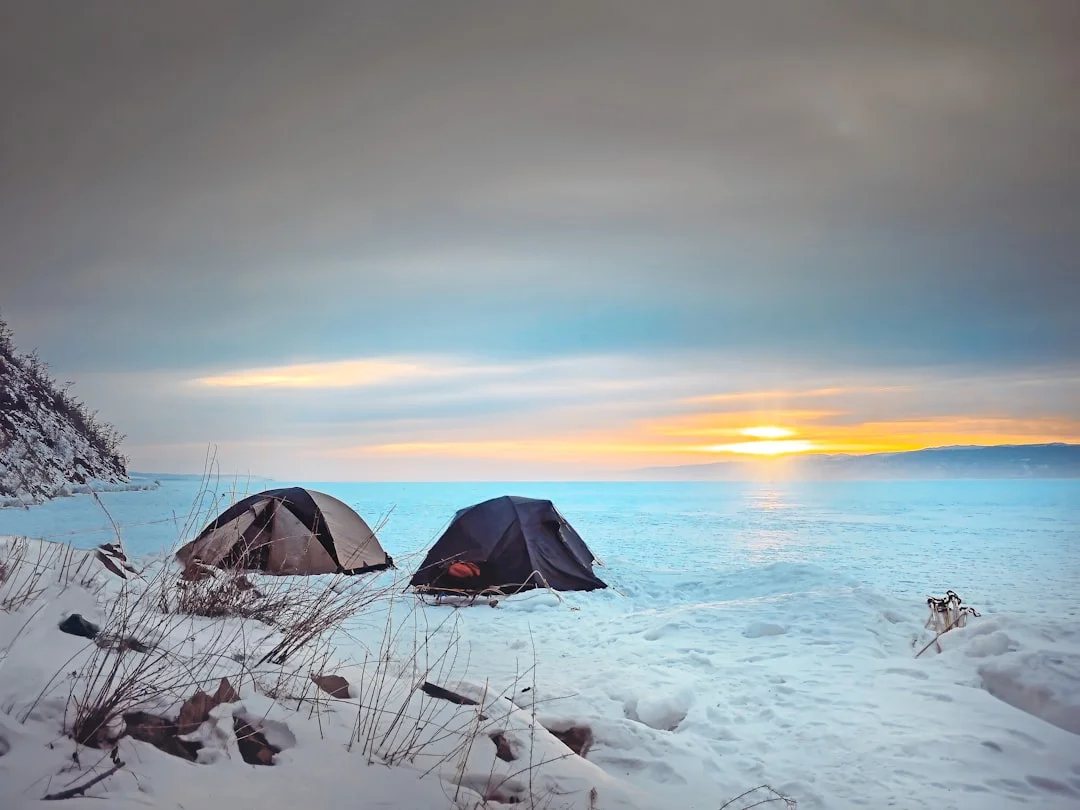
This was my coldest camping night at San Juan Islands—and it nearly broke me. At 3:17 AM on January 18th, 2026, I was lying in my tent at San Juan County Park, shivering so violently that my teeth were chattering in a rhythm I couldn’t control. My phone’s weather app showed -20F. My sleeping bag was rated to 15F. I had exactly zero backup plans.
That night almost didn’t end well. Not in the dramatic, rescue-helicopter sense—but in the “I seriously considered abandoning my gear and walking to my car in the dark” sense. Here’s what happened, what went wrong, and why I’m still not sure I’d recommend winter camping in the San Juans to anyone who asks.
Quick Decision Summary: Winter 2025-2026
Before you plan your own cold camping adventure, here’s what you need to know right now:
- Best conditions: Temps above 20F, clear forecast with no Arctic blast warnings
- When to skip: When Arctic air is predicted, when your bag rating exceeds expected lows, when ferry schedule limits your exit options
- Who this is for: Campers with -10F or colder rated bags, R-value 6+ sleep systems, and genuine comfort with discomfort
- Better alternatives if: Temps drop below 10F and you haven’t tested your gear in controlled conditions first
Scope: This guide focuses specifically on San Juan County Park on San Juan Island during extreme cold snaps. I haven’t winter camped at Moran State Park or the other islands, so I can’t speak to those conditions with any honesty.
Who Should Attempt the Coldest Camping Night at San Juan Islands
I’m writing this for people who are curious about cold weather camping but haven’t pushed into truly dangerous temperatures yet. If you’ve camped comfortably at 0F before, you probably know most of this. But if your “coldest night” has been somewhere in the high 20s, and you’re wondering what happens when the mercury drops further—keep reading.
This trip is worth it if:
- You have a sleeping bag rated to at least -10F (and you’ve actually tested it in cold conditions)
- You own or can borrow a sleeping pad with R-value 6 or higher
- You genuinely enjoy being uncomfortable for educational purposes
Skip this trip if:
- Your sleeping bag is rated “to 20F” and you’ve never questioned what that means
- You’re hoping the Pacific Northwest’s mild reputation will protect you
- You don’t have a backup plan when things go sideways
Why I Thought San Juan Islands Would Be “Mild”
Here’s my first mistake: I believed the internet.
Every guide I read described San Juan Islands winter camping as “surprisingly pleasant” and “mild due to the marine influence.” The average January low hovers around 35F. Some blogs even suggested you could get away with three-season gear if you layered properly.
What nobody mentioned—or maybe I just didn’t want to hear—was the phrase “occasional extreme cold snaps.” When Arctic air pours down from Canada and settles into the Puget Sound region, the islands lose their maritime buffer. That’s exactly what happened the weekend I picked.
I drove my Subaru onto the ferry at Anacortes on Friday afternoon, feeling smug about having San Juan County Park mostly to myself. The park operates first-come-first-served in winter, and I counted exactly three other vehicles in the lot. The ranger station was closed for the season. The upper restroom was locked.
By 4 PM, the temperature was already dropping past 25F. By sunset, we were at 15F. I remember thinking, “This is colder than forecast, but manageable.”
I was wrong.
The Gear That Failed My Coldest Camping Night
Let me be specific about what I carried, because vague gear advice is useless:
My sleeping bag was a synthetic mummy bag rated to 15F. I bought it three years ago for car camping in the Cascades and never questioned the rating. What I didn’t know then—and learned the hard way—is that most temperature ratings are “survival” ratings, not “comfort” ratings. The EN/ISO testing standard has both, and manufacturers love advertising the lower (more impressive) number.
A bag rated to 15F typically means you’ll survive at 15F. You’ll be comfortable somewhere around 25-30F. At 15F, you’ll be cold but probably won’t die. Below that? You’re on borrowed time.
My sleeping pad was a single inflatable pad with an R-value of 4.2. For three-season camping, that’s fine. For sub-zero conditions, it’s like putting a sheet of paper between you and a block of ice.
The ground doesn’t just get cold in winter. It actively pulls heat from your body. Every guide I’ve read since says you need a combined R-value of 6 or higher for extreme cold—ideally layering a closed-cell foam pad under an inflatable. I had neither the foam pad nor the knowledge to improvise.
My clothing was technically adequate: merino base layer, fleece mid-layer, down jacket for camp. But I made the rookie mistake of sweating during tent setup and not changing into dry layers before getting into my bag. Moisture is a killer. “Cotton kills” is the saying, but wet synthetic isn’t much better.
What Actually Happened That Night
I crawled into my tent around 8 PM, exhausted from the ferry trip and camp setup. The temperature was hovering around 10F. I did jumping jacks outside the tent—a trick I’d read about—to warm up my core before getting in the bag. It helped, briefly.
The first few hours weren’t terrible. I slept in 45-minute chunks, waking up each time slightly colder than before. By midnight, I was wearing every layer I’d brought inside my sleeping bag: base layer, fleece, down jacket, wool hat, two pairs of socks.
At 2 AM, I accepted that sleep wasn’t happening. I was shivering continuously, that deep involuntary shaking that means your body is burning calories just to keep your core warm. My toes had gone from cold to numb to that pins-and-needles stage that made me genuinely worried.
By 3 AM—when my phone showed -20F—I was doing isometric exercises inside my sleeping bag. Clenching muscles, releasing, clenching again. It generates heat, but it’s exhausting, and you can only keep it up so long.
I seriously considered bailing. My car was a five-minute walk away. I could crank the heat, drive to the ferry landing, and wait for the first boat at 5:30 AM. But something stubborn in me refused. I’d paid for the campsite. I’d told people I was doing this. Pride is a terrible survival strategy.
What actually saved me was dumb luck: I remembered the Nalgene bottle I’d filled with hot water for the drive over. It was cold now, obviously—but it wasn’t frozen solid. I unscrewed the top, confirmed the water was still liquid (barely), and tucked it against my stomach inside the bag.
The psychological effect was almost as important as the thermal one. Having something to focus on—protecting this bottle of lukewarm water—gave my brain a task. I dozed for maybe 90 minutes. When I woke at 5 AM, the sky was turning gray, and I was still alive.
The Morning After: What -20F Does to Your Camp
Sunrise at San Juan County Park is supposed to be beautiful. I wouldn’t know—I was too focused on the immediate problem of my boots being frozen stiff.
I’d left them inside the tent vestibule, thinking they’d be protected. They were solid. Not “cold and uncomfortable” solid. Actually frozen, the leather and laces rigid like they’d been bronzed. I had to wear them into my sleeping bag for fifteen minutes before they softened enough to put on.
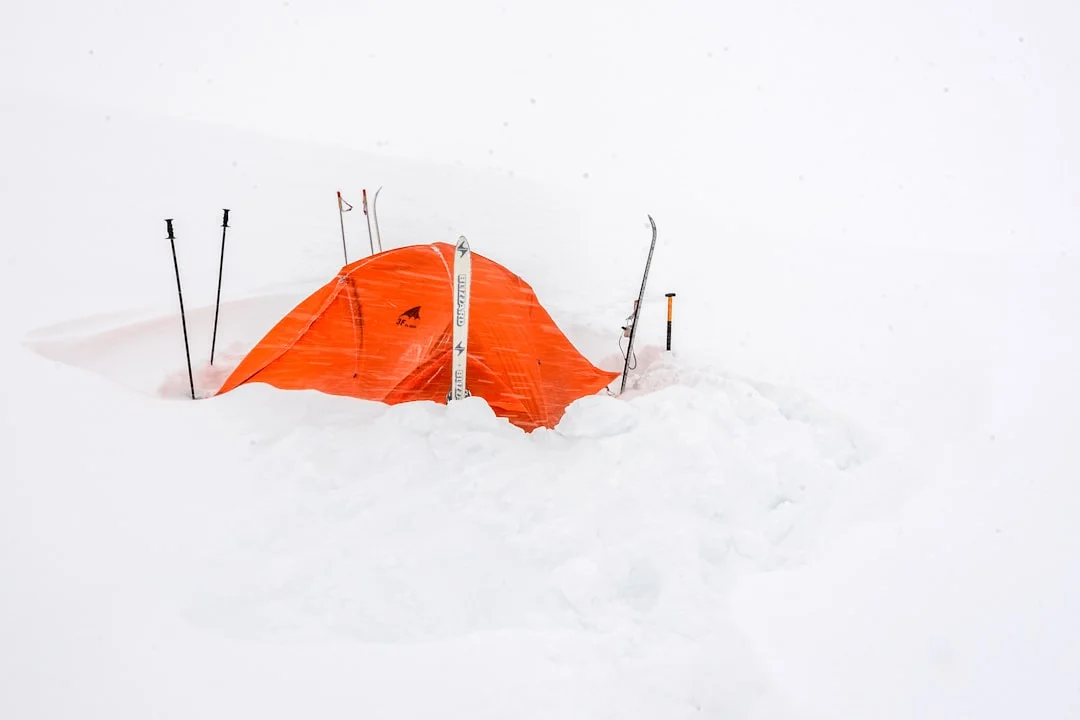
My water bottles were ice. The toothpaste was a solid tube. The condensation inside my tent had frozen into a layer of frost that fell like snow when I brushed the walls. My phone, which I’d slept with to keep the battery alive, showed 3% despite starting the night at full charge.
The three other campers I’d seen? Two of them had left in the middle of the night. The remaining camp—an older couple in a massive expedition tent—emerged with mugs of steaming coffee, looking surprisingly cheerful. Their setup included a double-walled four-season tent, two sleeping pads each, and -40F bags they’d tested in Alaska. They’d been warm all night.
“First cold snap?” the guy asked, watching me stuff my frost-covered tent into its bag.
I nodded.
“Happens to everyone once. You’ll be back with better gear.”
Why San Juan Islands Over Other Washington Winter Camping Options
If you’re considering winter camping in Washington, here’s how San Juan Islands compares to alternatives:
San Juan Islands vs. Olympic Peninsula:
- San Juan: Ferry access limits exit options; milder average temps but vulnerable to Arctic blasts
- Olympic: Drive-in/drive-out flexibility; more consistent cold but better prepared campgrounds
San Juan Islands vs. Cascade Foothills:
- San Juan: More solitude in winter; less infrastructure
- Cascades: More snow-oriented camping; ranger stations often staffed; easier rescue access
San Juan Islands vs. Eastern Washington:
- San Juan: Maritime influence keeps average temps higher
- Eastern WA: Consistently colder; less variable but more predictable conditions
My choice logic: I picked San Juan Islands specifically because I wanted “mild” winter camping. That was my mistake—I prepared for average conditions, not extreme ones. If you want predictable cold, choose Eastern Washington. If you want flexibility to bail, choose anywhere with road access.
What I’d Do Differently (Everything)
Here’s my honest assessment of what went wrong, in order of importance:
1. The sleeping bag rating was fantasy. A 15F bag is not a sub-zero bag, no matter what marketing says. For conditions where temps might drop to -20F, you need a bag rated to at least -20F—and even then, that’s your survival limit, not your comfort zone. REI’s guidance suggests rating your bag 10F lower than expected temps, which would have meant a -30F bag for this trip.
2. Single pad was suicidal. The ground pulled heat from me all night. Modern guidance says to layer a closed-cell foam pad (reflective side up) under an inflatable for combined R-values of 7-8 or higher. I had an R-value of 4.2. That’s fine for September. It’s hypothermia territory in January.
3. I ignored the forecast trend. The weather had been cooling all week. A smarter person would have checked the extended forecast, seen the Arctic blast warning, and postponed. I saw “clear skies” and thought that meant “good camping.” Clear skies in winter mean radiational cooling. It means colder nights, not milder ones.
4. No backup heat source. I didn’t bring a hot water bottle setup, hand warmers, or any way to generate additional heat inside my tent. The Nalgene that saved me was an accident, not a plan.
San Juan Islands Winter Camping: The Honest Assessment
Most of the year, San Juan Islands camping is genuinely delightful. The county park sits on the west side of San Juan Island, with water views and old-growth forests. In summer and early fall, it’s one of the best car camping spots in Washington.
In winter, it transforms into something more serious. The park stays open year-round, operating first-come-first-served from November 1 through March 31. Staffing is limited. The upper restroom closes. You’re largely on your own.
Under normal winter conditions—lows in the 30s, maybe dipping to the 20s—it’s manageable with proper three-season gear and a few upgrades. But when Arctic air arrives, the islands offer no protection. The water that moderates temperature in typical conditions can’t compete with air masses pushing down from Canada.
Ferry access adds another complication. In winter, sailings are less frequent. If something goes wrong in the middle of the night, you can’t just drive home. The first morning ferry from Friday Harbor doesn’t leave until 5:30 AM, and that’s if it’s running on schedule.
I’m not saying “don’t do this.” I’m saying: understand what you’re signing up for, and be prepared for the worst-case version of winter, not the average one.
Temperature Thresholds for Cold Camping Success
After that night—and several more successful cold-weather trips since—I’ve developed a set of personal rules:
Above 20F: Standard three-season setup works, with a few tweaks. Warmer sleeping bag, maybe an extra blanket, hot water bottle at your feet.
Between 10F and 20F: Four-season territory. Bag rated to 0F minimum, layered sleeping pads (R-value 6+), all liquids stored inside your sleeping bag overnight.
Below 10F: This is where I made my mistake. Below 10F requires expedition-level gear, multiple redundancies, and ideally a partner who can check on you. Bag rated to -20F or colder, layered sleep system, heated water bottles, and a clear exit strategy.
Below -10F: Honestly, I’m not sure I have the experience to give advice here. The couple who camped next to me that night had trained specifically for extreme cold. They treated sub-zero camping like a technical skill, not a casual adventure. I’m still learning.
Was This Coldest Camping Night Worth It?
Here’s the honest answer: I don’t know.
I learned more about cold-weather camping in that one night than in years of reading gear reviews. The visceral experience of shivering through darkness, watching my breath freeze on the tent ceiling, feeling genuine concern about my extremities—that stays with you in a way that articles and YouTube videos never replicate.
But I also got lucky. If that water bottle had frozen solid. If my phone battery had died and I couldn’t check the time. If I’d panicked and tried to walk to my car with numb feet in the dark. Any of those scenarios could have ended differently.
The guy from the neighboring camp was right: I did go back with better gear. A few months later, I bought a -20F bag, a foam sleeping pad to layer under my inflatable, and a set of chemical hand warmers that I keep in my car year-round. I’ve since camped comfortably at 5F—not enjoying every moment, exactly, but managing the cold instead of being victimized by it.
Would I recommend the San Juan Islands for winter camping? Only if you’re prepared for the island to show you its teeth. The mild reputation is earned most of the time. But “most of the time” means nothing when you’re lying in your tent at 3 AM, realizing that tonight isn’t most of the time.
Field Decision Notes: Coldest Camping Night Survival (Winter 2025-2026)
Based on my experience and subsequent research, here are the decision thresholds I now use:
- Best month for San Juan winter camping: Late February to early March (past Arctic blast season, longer daylight)
- Gear threshold: Below 20F expected, upgrade from 3-season to expedition-level sleep system
- Increased risk conditions: Clear skies + Arctic air mass warning = abort trip
- Common mistakes: Trusting bag ratings at face value; single sleeping pad; not checking ferry schedules
- First-timer advice: Test your gear at home in 25F conditions before attempting remote winter camping
- When NOT to attempt: During Arctic blast warnings; if your bag rating is higher than expected lows; if you can’t reach your car in under 10 minutes
References
Official Sources:
- San Juan County Park & Campground – San Juan County Government
- Winter Camping and Backpacking Basics – REI Expert Advice
Gear Guides:
- How to Camp in Extreme Cold – Sea to Summit
- 8 Tips: How To Sleep Well At 30 Below Zero – GearJunkie
Community Experience:
- Lessons Learned from a Freezing Winter Camping Trip – The Outbound