
I was watching the Milano Cortina coverage last Saturday night when they cut to the cross country skiing event at Tesero. The Norwegian women were flying through Val di Fiemme, and somewhere between my second beer and the medal ceremony, I turned to my partner and said something stupid: “We should try that at Yosemite.”
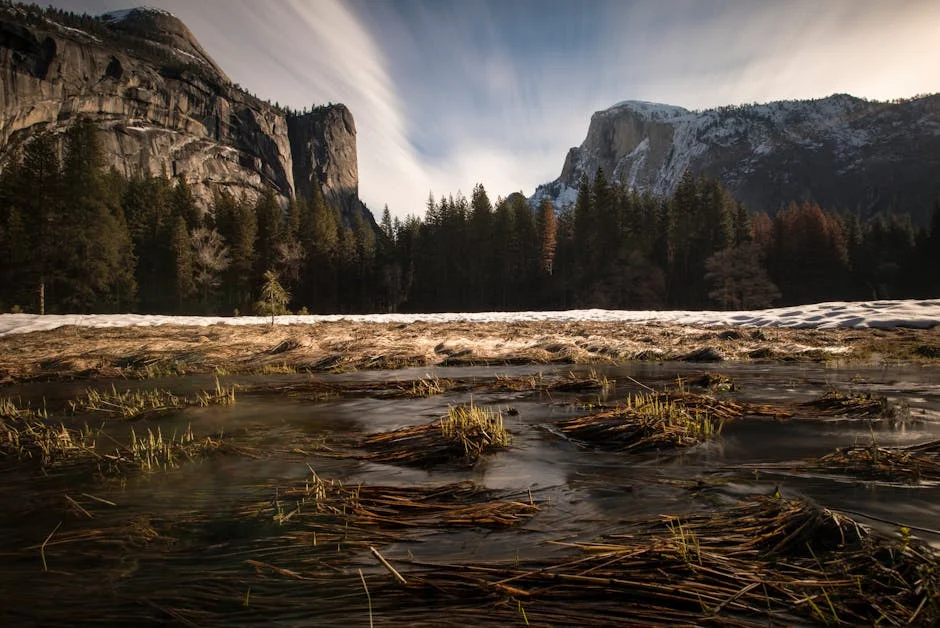
Three days later, I was face-down in the snow at Badger Pass, one ski pointing toward Half Dome and the other twisted under my body at an angle that seemed physically impossible. This is that story.
Scope: This guide focuses specifically on Badger Pass and the Dewey Point area for cross country skiing Yosemite. I haven’t skied the full Glacier Point Road route or tried Crane Flat, so I won’t pretend to have opinions on those.
Quick Decision Summary (February 2026)
- Best conditions: Weekday mornings after grooming, temperatures 35-45°F, no fresh storm in past 24 hours
- When to skip: Weekend Firefall crowds (mid-to-late February), immediately after major storms, if uncomfortable with chain requirements
- Who this is for: Beginners willing to fall repeatedly; intermediate skiers wanting scenic Nordic trails; anyone inspired by the Olympics
- Better alternatives if: You want luxury amenities (go to Tahoe), need guaranteed childcare (Badger Pass is basic), or hate driving in potential chain conditions
- Why Yosemite over Tahoe: Fewer crowds on weekdays, more dramatic scenery, California’s oldest ski resort with 55 years of teaching experience, and $36.50 rentals vs $50+ at Tahoe resorts
Why the Olympics Hook Actually Matters
Here’s the thing—I’ve driven past Badger Pass a dozen times over the years, usually in summer, occasionally in winter when the road was closed. I knew cross country skiing existed there. I’d seen the signs. I’d never considered trying it.
The Olympics changed that. Watching elite athletes do something makes you think “how hard could it be?” And for cross country skiing specifically, the answer is: harder than it looks, but also more accessible than you’d expect.
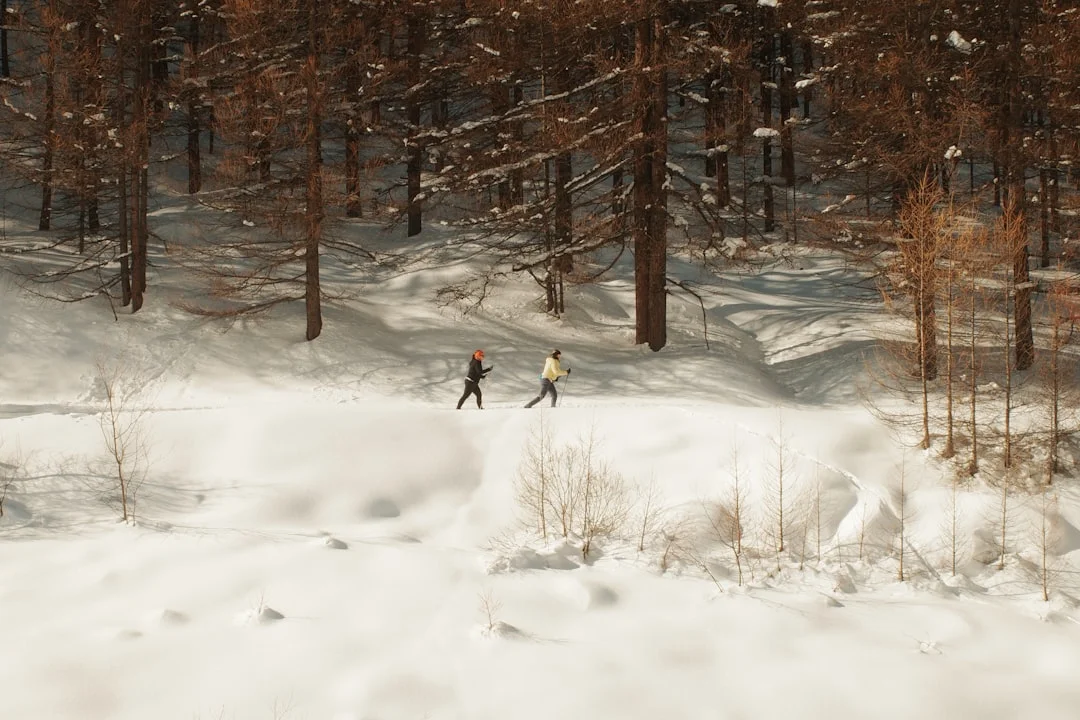
Cross country skiing is having a moment right now. The 2026 Milano Cortina Games are the first Olympics where women race the same distances as men in cross-country events—50 kilometers, the same gut-busting marathon on snow. That shift is drawing more attention to the sport, and Yosemite’s Nordic Center at Badger Pass happens to be one of the most scenic places in North America to try it.
But here’s what I didn’t know before I went: California’s oldest ski resort isn’t a resort in the Tahoe sense. There are no luxury lodges. No heated outdoor pools. Just 90 miles of marked trails, 25 miles of groomed track, and a rental shop that’s been teaching people since 1970.
The Rental Situation at Badger Pass (And My First Mistake)
We arrived at Badger Pass around 9:30 AM on a Tuesday. The Nordic Center opens at 8:30 AM, and I’d read that equipment goes quickly on weekends. Tuesday seemed safe.
It wasn’t.
The parking lot was more crowded than I expected—not packed, but definitely not empty. The rental line took about 20 minutes, which wouldn’t have been a problem except I hadn’t eaten breakfast. By the time I’d signed the waiver and strapped on my skis, I was shaky from low blood sugar and increasingly irritable.
Nordic Center rental prices (2026 season):
- Classic cross-country skis: $36.50/day adult, $29.50 half-day
- Snowshoes: $30.00/day, $24.00 half-day
- Skate skis: $37.50/day (don’t do this if you’re a beginner—I watched someone try and it was ugly)
The staff asked if I’d skied before. I said I’d downhill skied “a few times.” This was technically true but deeply misleading. Downhill skiing is not cross country skiing. They are different activities that happen to involve similar equipment. The motion is different. The balance is different. The level of cardiovascular suffering is very, very different.
I should have taken a lesson. The ski school has been running since 1970 and offers all-level instruction. I did not take a lesson because I am an idiot who thought YouTube videos counted as preparation.
My First Hour on Cross Country Skis at Yosemite
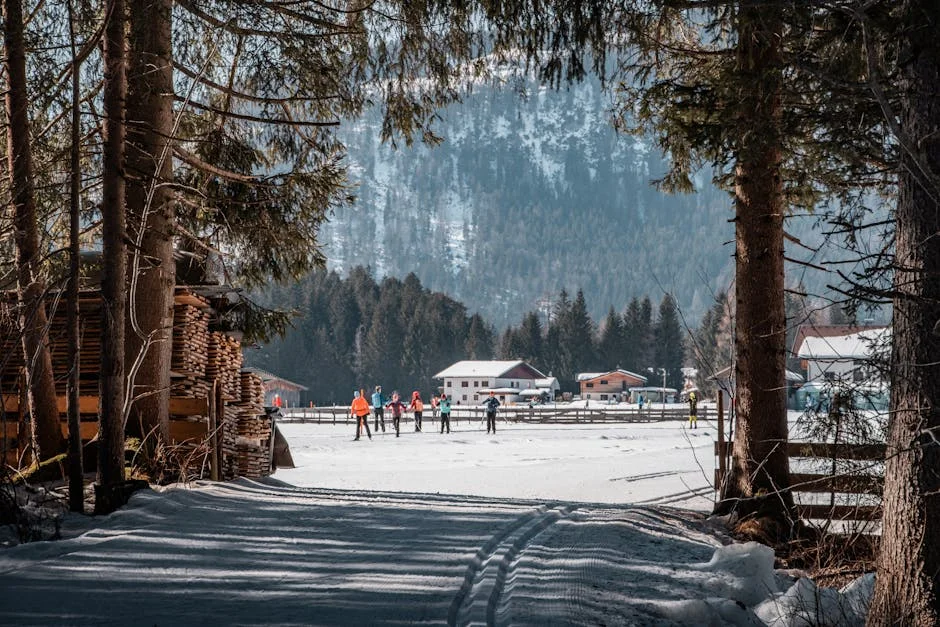
The groomed track starts right outside the Nordic Center. It’s beautiful—you’re immediately surrounded by snow-dusted pines, and on a clear day, the sky is that aggressive California blue that makes everything look like a postcard.
I fell within the first 50 meters.
Cross-country skis are narrow—much narrower than downhill skis. They’re also attached only at the toe, which means your heel lifts with each stride. This feels deeply unnatural if you’re used to your entire foot being locked in place. My brain kept trying to apply downhill skiing logic to a fundamentally different activity.
The good news: falling on cross-country skis is gentler than falling on downhill skis. You’re usually moving slowly. The snow is soft. Your ego takes the real damage.
After about 40 minutes of shuffling, falling, and swearing quietly, something clicked. The motion started to feel less like walking on ice and more like… well, like cross country skiing. The diagonal stride—opposite arm, opposite leg—became almost natural. I stopped looking at my feet. I started looking at the trees.
By the one-hour mark, I was moving with something that vaguely resembled competence. Not Olympic competence. Not even “weekend warrior” competence. But I wasn’t falling every few minutes, and I was actually covering ground.
What Nobody Tells You About February Conditions
February in Yosemite is weird. The valley itself averages 57°F during the day—genuinely pleasant, light-jacket weather. But Badger Pass sits at 7,200 feet, and temperatures up there hover in the upper 40s during the day and drop to the upper 20s at night.
I brought the wrong layers. I wore a heavy down jacket because “skiing = cold,” and within 20 minutes, I was sweating through my base layer. Cross country skiing is cardiovascular work. You generate a lot of heat. By mid-morning, I’d stripped down to a thin fleece and was still warm.
What I’d pack next time:
- Lightweight synthetic base layer (not cotton)
- Thin fleece mid-layer (packable)
- Wind-resistant shell (not insulated)
- Extra socks (my feet got wet from sweat, not snow)
- Sunglasses (the snow glare is brutal)
February is also the wettest month at Yosemite, averaging 6.5 inches of precipitation. We got lucky with clear skies, but the ranger at the Nordic Center mentioned that the previous week had seen back-to-back storms. Check conditions before you go: the Snow Phone is 209-372-1000.
Snowshoeing Yosemite Dewey Point: The Alternative Route
My partner had zero interest in strapping narrow sticks to her feet and shuffling across a frozen landscape. She wanted to snowshoe instead. So after my morning ski session, we returned the gear and switched to snowshoes for the afternoon.
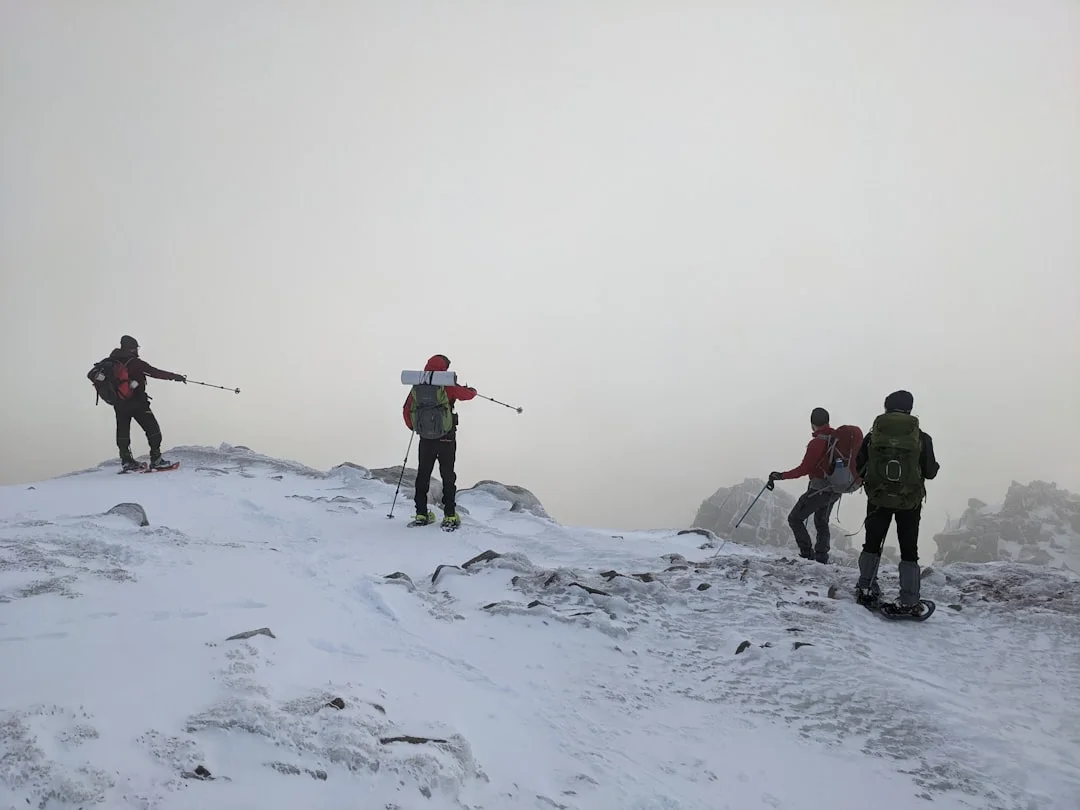
The Dewey Point trail is 7.8 miles round trip with 895 feet of elevation gain. Most people estimate 3.5 to 6 hours depending on fitness level and snow conditions. We took the full six hours, and honestly, it still felt rushed.
The first 1.2 miles follow Glacier Point Road, which is groomed for skiers. Snowshoers are supposed to stay on the road edges to avoid damaging the ski tracks—I watched one guy stomp right down the middle of the groomed section, and a skier behind him looked ready to commit violence. Trail etiquette matters.
After the road section, the trail veers into the forest. Tree markers guide you through what would otherwise be a confusing maze of identical-looking pines. In good conditions, the path is packed down by previous hikers. In fresh snow, you’re breaking trail, which adds significant time and effort.
We hit the Dewey Point overlook around 4 PM. The view stopped me cold.
El Capitan dropped 3,500 feet below us. Cathedral Rocks rose in the distance. Half Dome caught the late afternoon light. For a few minutes, I forgot that my toes were numb and my hamstrings were screaming.
Honest assessment: The view is worth the effort, but the effort is real. If you’re not used to hiking 8 miles in snow, this trail will humble you. My quads were sore for three days afterward.
What I’d Skip (And What Caught Me Off Guard)
The ice skating rink at Curry Village is often mentioned in Yosemite winter guides. I’d skip it unless you’re traveling with kids or genuinely love ice skating. It’s small, it’s crowded on weekends, and if you’re driving up to Badger Pass anyway, your time is better spent on the trails.
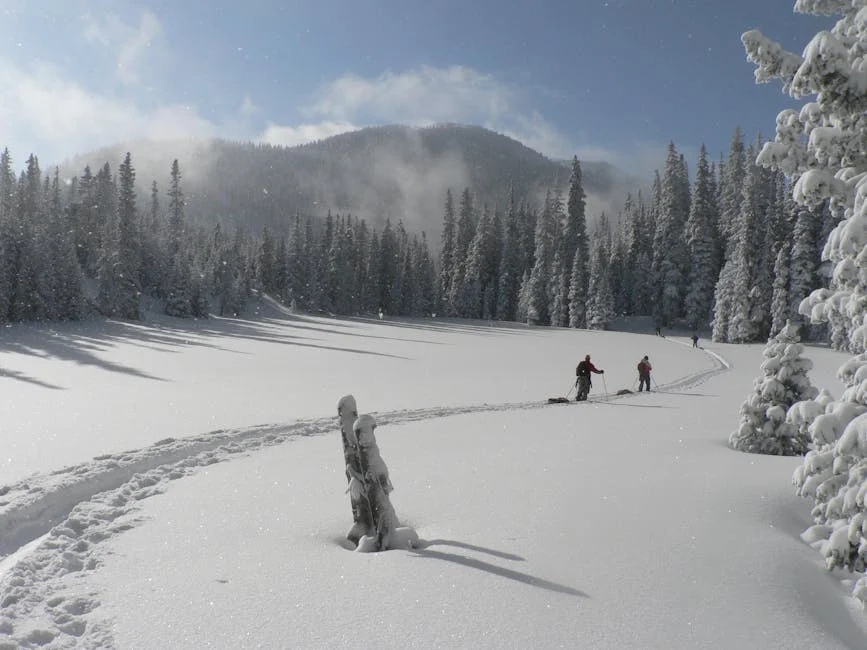
What caught me off guard: the Firefall. I’d completely forgotten that mid-to-late February is when Horsetail Falls transforms into that viral orange cascade at sunset. We didn’t plan for it—didn’t have the right vantage point, didn’t know the timing—but we saw the glow from a distance on our drive back to the valley. If you’re visiting in the second half of February, factor in an evening for Firefall viewing. No separate entrance reservation is required for 2026.
The other surprise: chain requirements. I knew chains might be needed for Badger Pass, but I assumed my all-wheel-drive would be exempt. It wasn’t. Rangers can require chains on all vehicles regardless of drive type, and they were checking on the morning we drove up. Carry chains. Actually, carry chains you know how to install—I watched a guy spend 25 minutes struggling with his for the first time while a line of cars waited behind him.
Is This Actually Like the Olympics?
No. Obviously not. The athletes at Milano Cortina are covering 50 kilometers at paces that would kill me within the first mile. They’ve trained for decades. They have wax technicians. They don’t stop to take photos of Half Dome.
But there’s something honest about trying a sport after watching the best do it. You appreciate the difficulty more. When I watched the cross-country skiing relay after my trip, I understood—in my body, not just my head—how hard those double-pole climbs are. I knew what it feels like when your legs burn and your lungs scream and you’re only three kilometers into a ten-kilometer leg.
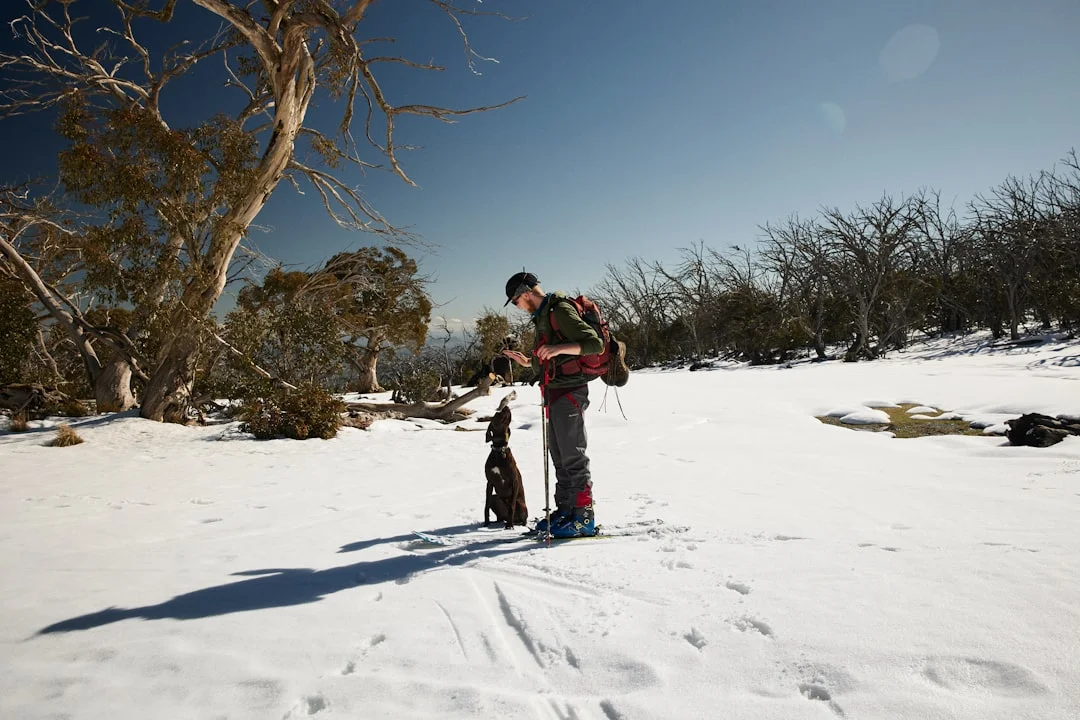
Cross country skiing at Yosemite isn’t Olympic training. It’s not even close. But it’s accessible in a way that most Olympic sports aren’t. You don’t need a bobsled. You don’t need a skeleton sled. You don’t need a ski jump. You need $36.50, a few hours, and a willingness to fall down in front of strangers.
Badger Pass Winter Activities: The Practical Stuff (February 2026)
Nordic Center Hours: 8:30 AM – 4:00 PM daily through March 31, 2026. Return rentals by 4 PM sharp—they’re serious about this.
Getting There: From Yosemite Valley, it’s about 45 minutes to Badger Pass. From Yosemite West, 15 minutes. Check road conditions before you go: 209-372-0200 or the NPS website.
Costs:
- Park entrance: $35 per vehicle (3-day pass)
- Cross-country ski rental: $36.50/day adult
- Snowshoe rental: $30/day
- Trail access: Free with park entrance
When to Go: Weekdays are significantly less crowded than weekends. If you must go on a weekend, arrive before 9 AM for parking and rental availability. February typically has good snow coverage at Badger Pass elevations.
When NOT to Go:
- Immediately after a big storm (roads may be closed)
- During Firefall peak weekends if you’re crowd-averse (the park gets slammed mid-to-late February)
- If you’re not comfortable driving in potential chain conditions
What I’d Do Differently
I’d take a lesson. Even a one-hour intro lesson would have saved me 40 minutes of flailing and probably prevented the spectacular fall that left me with a bruise on my hip I’m still feeling.
I’d eat breakfast before I left. Low blood sugar and learning a new physical skill don’t mix.
I’d bring lighter layers. The down jacket stayed in the car after the first 20 minutes.
And I’d probably give myself two days instead of one—cross country skiing in the morning, Dewey Point snowshoe in the afternoon, with a night somewhere in the park between them. Trying to do both in a single day left me too tired to fully appreciate either.
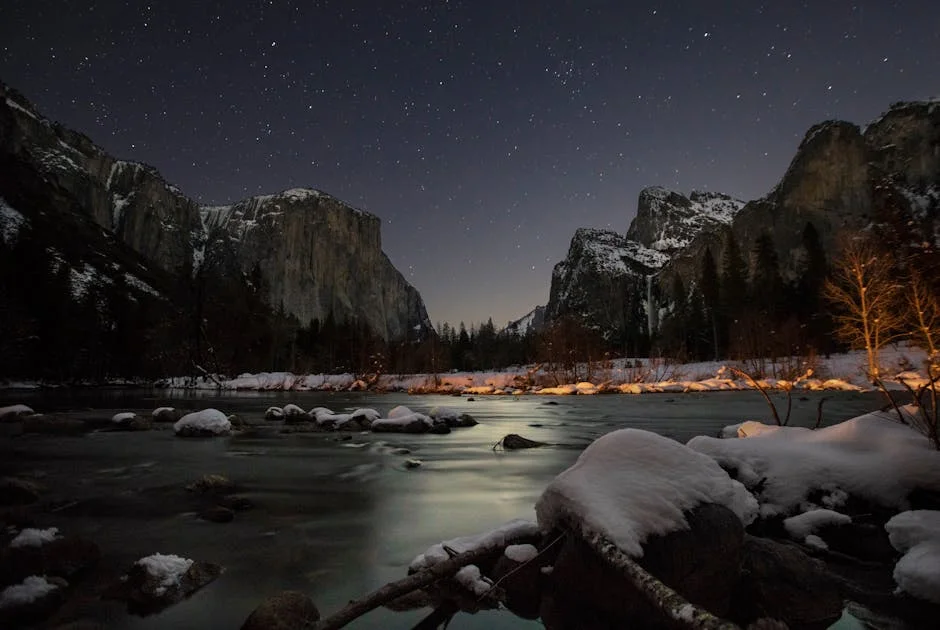
Would I recommend trying cross country skiing at Yosemite? Yes—with the caveat that you shouldn’t expect it to feel like the Olympics, and you should expect to fall. Multiple times. In front of people who are better at this than you.
But there’s something about the combination of learning a new skill and doing it in one of the most beautiful places on the continent. When I finally got the rhythm right—when my skis were gliding and my poles were planting and I was actually moving like a person who knew what they were doing—I looked up and saw Half Dome framed by snow-covered pines.
That moment was worth every fall.
Field Decision Notes (February 2026)
- Best month: February for reliable snow at Badger Pass (7,200 ft), but avoid Firefall weekends if crowd-averse
- Gear threshold: When temps exceed 45°F, skip the insulated jacket entirely; bring only a wind shell
- Increased risk conditions: Fresh snow > 12 inches means potential road closures and ungroomed tracks; wait 24-48 hours post-storm
- Common mistakes: Wearing downhill ski mentality (too heavy layers, wrong motion), skipping breakfast, underestimating Dewey Point distance
- First-timer advice: Take the lesson ($45 for 1.5 hours), arrive before 9 AM, and commit to just skiing OR snowshoeing on day one—not both
References
Official Sources:
- Cross Country Skiing at Badger Pass – Travel Yosemite (Official Concessionaire)
- Winter Activities – Yosemite National Park – National Park Service
- 2026 Milano Cortina Winter Olympics – Olympics.com
Trail Information:
- Dewey Point Trail – Yosemite.com
- Guide to Snowshoeing at Badger Pass – Yosemite This Year
Seasonal Conditions:
- Visiting Yosemite in February – Redwoods In Yosemite