
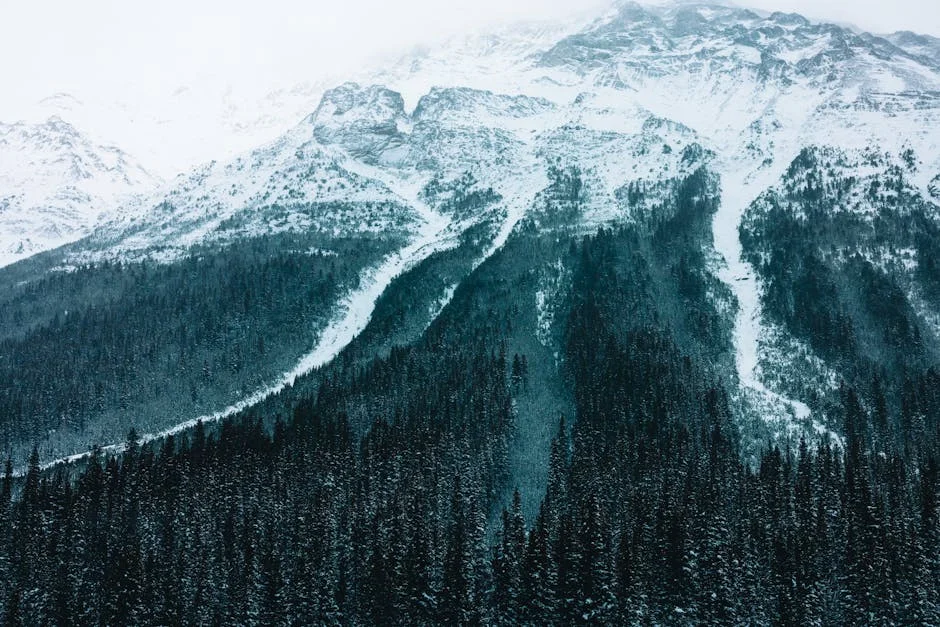
Understanding hypothermia prevention hiking Highline Trail could save your life. My hands stopped working somewhere around mile two. Not dramatically—I could still grip my trekking poles—but the fine motor control was gone. Unzipping my jacket pocket took three attempts. That was the moment I realized I had been ignoring the early signs of hypothermia for at least thirty minutes.
This happened on a shoulder-season day in late October 2024, just below Logan Pass in Glacier National Park. The temperature was only 38F. I had hiked the Highline Trail section dozens of times in summer. I thought I knew this terrain. I was wrong.
Scope: This article focuses specifically on hypothermia prevention for the Highline Trail and surrounding Glacier National Park terrain. I am not a medical professional—the clinical information here comes from sources like the Wilderness Medical Society and Cleveland Clinic, which I have cross-referenced. For general winter backpacking strategy, that is a different topic entirely.
Quick Decision Summary: Winter 2025-2026
If you are planning a late-season or early-season attempt on the Highline Trail when snow is present, here is what you need to know immediately:
Proceed if:
- Wind chill is above 20F and you have proper layering
- You have wool or synthetic base layers (no cotton anywhere on your body)
- You can turn back within 2 hours if conditions change
- Someone knows your exact route and expected return time
Turn around if:
- Wind chill drops below 10F and you feel any shivering
- Your hands or feet lose dexterity (cannot zip, buckle, or tie)
- You are sweating heavily—this is as dangerous as being cold
- Weather is changing faster than forecast predicted
Skip entirely if:
- True winter (November through May)—Going-to-the-Sun Road is closed and the trail is inaccessible from Logan Pass
- You have never done a cold-weather hike before
- You are hiking solo without emergency communication
I learned all of this the hard way.
What I Got Wrong That October Day
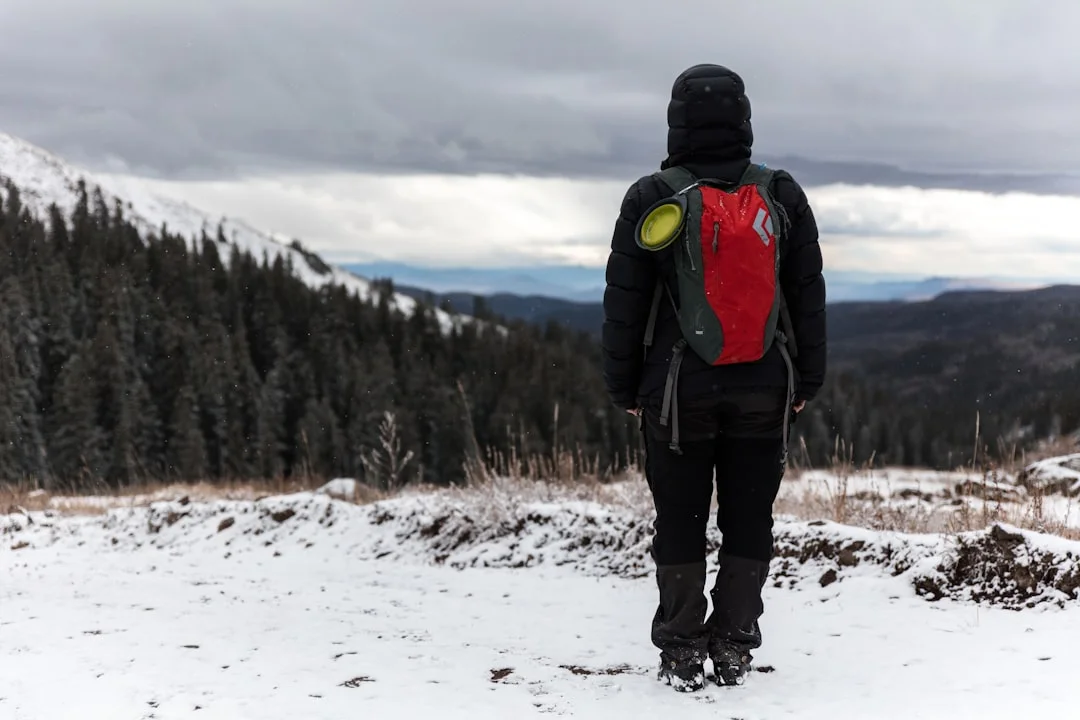
The forecast said 42F with light winds. When I started at the Logan Pass parking lot around 9 AM, conditions matched perfectly. Clear sky, mild breeze, beautiful morning light on the Garden Wall.
The problem was my clothing choices. I wore a cotton t-shirt under my fleece because I figured I would be working hard on the uphill sections and did not want to overheat. Classic beginner mistake—one that every cold-weather hiking guide warns against.
By noon, the wind had picked up to around 25 mph. Temperature dropped to 38F. Not extreme by any measure. But here is what I did not understand: moisture pulls heat away from your body 25 times faster when you are wet compared to dry. My cotton shirt was damp with sweat from the morning climb. The wind cut through my fleece layer like it was not there.
I spent the next hour shivering, fumbling with my pack, and making increasingly poor decisions about route choices. That is textbook mild hypothermia—confusion, loss of coordination, exhaustion setting in faster than it should.
What saved me was dumb luck. I ran into two other hikers heading back who recognized the signs before I did. They handed me an emergency space blanket, made me eat some trail mix, and walked me out slowly. Without that intervention, I honestly do not know how the day would have ended.
Why Highline Trail Is Particularly Risky for Hypothermia
The Highline Trail is not inherently more dangerous than other alpine routes. But its accessibility creates a false sense of security that catches people off guard. Understanding hypothermia prevention hiking Highline sections is essential because of these unique risk factors.
In summer, this is one of the most popular trails in Glacier National Park. You start at Logan Pass—already at 6,646 feet elevation—and traverse along the Continental Divide with views that justify every superlative ever written about Montana. The trail is well-maintained, relatively flat by alpine standards, and busy enough that help is usually nearby.
That changes completely in shoulder season. Here is what makes the Highline Trail especially challenging:
Exposure without escape. For the first several miles, you are traversing an open face with limited shelter options. If weather turns, you cannot simply duck into the trees—there are none. The famous cable section at the beginning (4-6 feet wide, bolted into cliff) has no bailout points.
Elevation temperature drop. The National Park Service notes that temperatures in the mountains run 10-15 degrees colder than valley readings. That 45F forecast in West Glacier becomes 30F at Logan Pass, before accounting for wind chill.
Rapid weather changes. This is Continental Divide weather. I have seen sunny mornings turn to horizontal sleet in under an hour. Multiple sources emphasize that Glacier conditions can shift faster than most hikers expect.
Limited season window. The trail typically opens around July 1 due to lingering snow and does not fully clear until mid-July many years. By late September, snow can return. The actual window for safe shoulder-season hiking is narrow and unpredictable.
The Layering System for Hypothermia Prevention
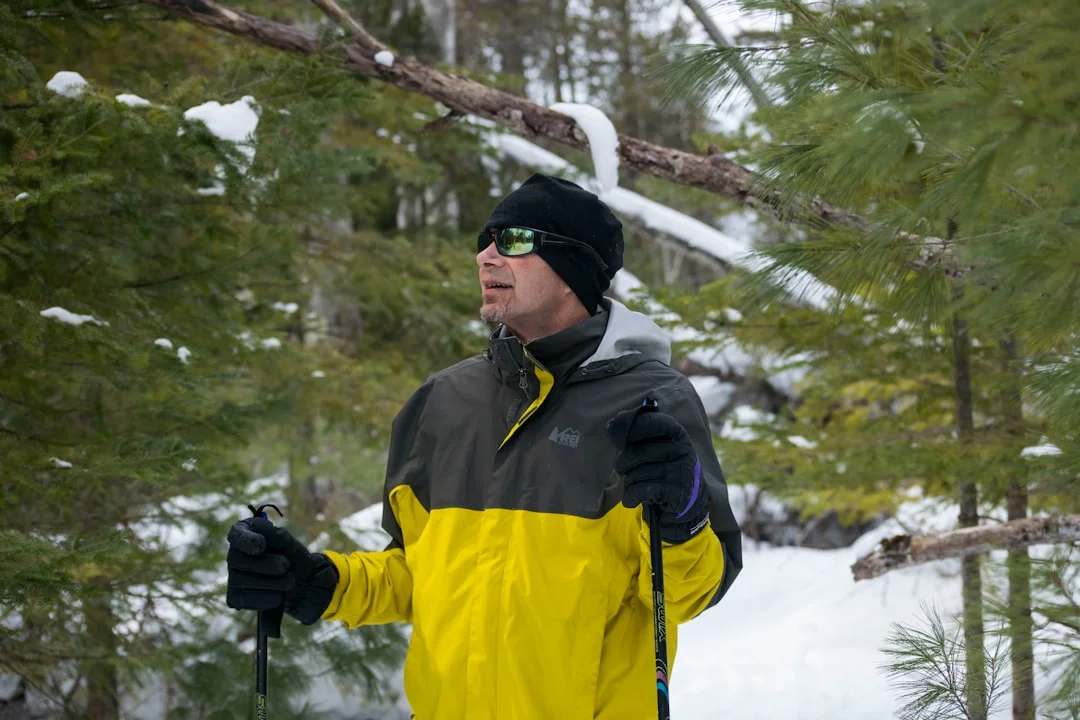
I have rebuilt my cold-weather setup twice since that October incident. Here is what I have learned works specifically for Glacier conditions, based on both my experience and guidance from sources like The Trek and Backpacker Magazine.
Base Layer: The Foundation
Everything starts here, and this is where most beginners fail. Your base layer must wick moisture away from your skin. Period.
- Merino wool is ideal—warm even when damp, naturally antimicrobial, and comfortable against skin
- Synthetic polyester blends work well and dry faster than wool
- Cotton is absolutely out—I cannot stress this enough
The saying “cotton kills” exists because cotton absorbs sweat, holds it against your body, and then chills you rapidly when you stop moving or wind picks up. According to Backpacker Magazine, sweating in cotton can cause hypothermia in under five minutes when conditions turn.
Mid Layer: Warmth Without Bulk
Fleece remains my go-to for Glacier shoulder season. It provides warmth without excessive weight, breathes reasonably well during exertion, and dries quickly if it gets damp. I carry a second lightweight fleece pullover as backup—weighs maybe 8 ounces and has saved me multiple times when temperatures dropped faster than expected.
Some hikers prefer down or synthetic puffy jackets for the mid layer. My issue with down in Glacier is moisture vulnerability. If it gets wet—from sweat, rain, or snow—it loses insulating ability completely. Synthetic fill is more forgiving but heavier for equivalent warmth.
Outer Layer: Wind and Water Protection
Your shell is your defense against Glacier’s notorious wind. It does not need heavy insulation—that is what mid layers provide. It needs to stop wind and shed precipitation.
I use a lightweight hardshell jacket with pit zips. The pit zips matter because they let me dump heat during uphill sections without removing the whole jacket. Overheating and sweating are legitimate hypothermia risks, not just discomfort.
Recognizing Hypothermia Signs Before They Get Serious
Hypothermia progresses through distinct stages. The Wilderness Medical Society and Cleveland Clinic both use similar classifications:
Mild hypothermia (95F-89.6F core temperature): This is the critical window for self-rescue. Symptoms include shivering, confusion, clumsiness, and slurred speech. Shivering is actually your body working correctly—it is trying to generate heat. A cold person who is still shivering is not yet hypothermic in the clinical sense; they are “cold-stressed.”
Moderate hypothermia (89.6F-82.4F): Shivering stops. This is counterintuitive and extremely dangerous—when a cold person stops shivering, they are getting worse, not better. Other symptoms include severe confusion, hallucinations, blue skin, and muscle stiffness.
Severe hypothermia (below 82F): Medical emergency. The person may appear dead—unresponsive, no detectable pulse, not breathing. But hypothermia victims can sometimes be resuscitated even after extended periods. There is a saying in wilderness medicine: “You’re not dead until you’re warm and dead.”
My hands losing dexterity that October day was a mild hypothermia symptom. The three attempts to zip my pocket were early confusion and loss of coordination. If the other hikers had not intervened, I was on track for moderate hypothermia within the hour.
What To Do If Hypothermia Symptoms Appear on the Trail
If you recognize hypothermia symptoms in yourself or a hiking partner, the response depends on severity and location.
For mild symptoms (still shivering, coherent enough to walk):
1. Stop hiking immediately and find shelter from wind
2. Change out of any wet clothing—especially base layers
3. Add insulation layers and wrap in emergency blanket if available
4. Eat high-calorie food and drink warm liquids if you have them
5. Resume hiking slowly toward trailhead once shivering stops
For moderate symptoms (confusion, stumbling, shivering stopped):
1. This is a rescue situation—call 911 if you have cell service
2. Get the person out of wind and insulated from ground
3. Apply gentle external heat—warm water bottles wrapped in cloth, body-to-body contact in sleeping bag
4. Do NOT give food or water to someone who is not fully alert—aspiration risk
5. Do NOT rub extremities or put in hot water—can cause cardiac issues
I have never had to deal with severe hypothermia in the field, and I hope I never do. The protocols get complicated and the stakes are life or death. If someone is unresponsive, the priority is gentle handling (rough movement can trigger cardiac arrest) and getting professional medical help.
Why I Am Not Covering True Winter Hiking
Here is something most Highline Trail content does not clearly state: you cannot hike the Highline Trail in actual winter.
Going-to-the-Sun Road closes from approximately October through late June or early July, depending on snowfall. The Logan Pass area where the Highline Trail begins is buried under feet of snow all winter. Access would require multi-day backcountry skiing or snowshoeing from lower elevations—an expedition-level undertaking that is completely different from the day hike I am describing.
When I say “winter hiking” in this article, I mean late shoulder season (late September through mid-October) and early shoulder season (late June through early July) when snow may still be present but the road is open. True winter mountaineering in Glacier is a specialized discipline I have not done and will not pretend to have opinions about.
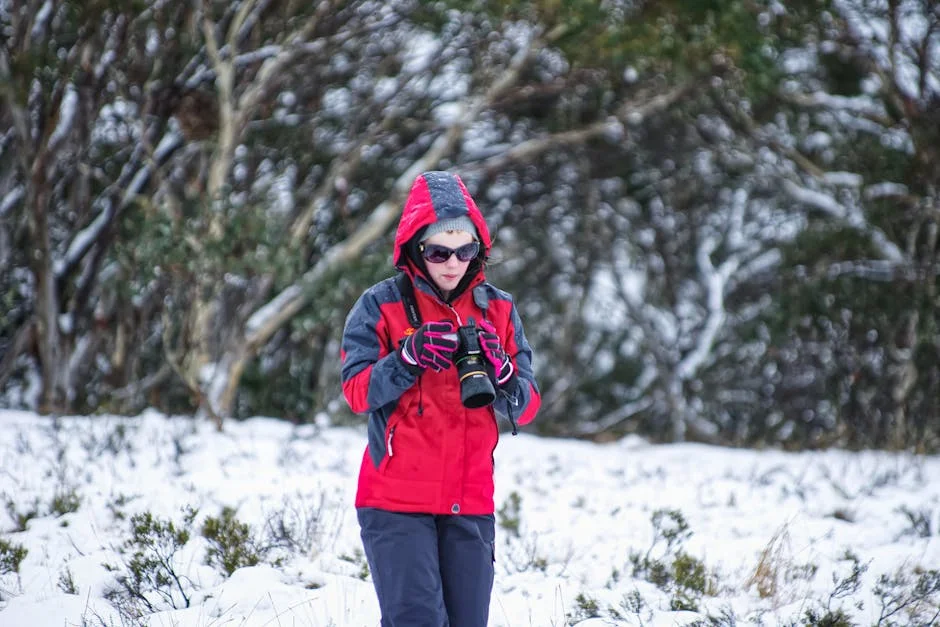
Why Choose Highline Trail Over Other Glacier Trails
If you are set on visiting Glacier during shoulder season and hypothermia prevention is a concern, the Highline Trail may not be your best option. Here is how it compares to alternatives I have hiked:
Avalanche Lake Trail offers lower elevation (starting at 3,182 feet versus 6,646 feet at Logan Pass), forest cover for wind protection, and easier bailout if conditions deteriorate. It is also accessible earlier in spring and later in fall because the trailhead does not require Going-to-the-Sun Road to be fully open.
Hidden Lake Overlook from Logan Pass is shorter (2.7 miles round trip versus 11.6+ for Highline) and allows you to test conditions before committing to a longer route. If wind is brutal at the overlook, you have learned something useful without being miles from your car.
My choice logic: I still hike the Highline Trail in shoulder season—but only when forecasts are stable, wind speeds are under 15 mph, and I have given myself permission to turn back at any point. The exposure is part of what makes it spectacular, but that same exposure means limited options when weather turns hostile.
Essential Gear Beyond Clothing for Winter Hiking
Layering gets the most attention in hypothermia prevention content, but some other gear choices matter too:
Hydration: Your body burns more calories maintaining warmth in cold weather, and dehydration accelerates heat loss. But hydration bladders are problematic—the hose freezes. I switched to insulated water bottles and have not looked back. Some hikers keep a bottle inside their jacket to prevent freezing.
Food: I pack more calories for cold weather hikes than I would for the same distance in summer. Trail mix with nuts and chocolate provides both quick energy (sugar) and sustained fuel (fats). According to REI’s cold-weather hiking guidance, keeping your internal furnace fed is essential to maintaining body temperature.
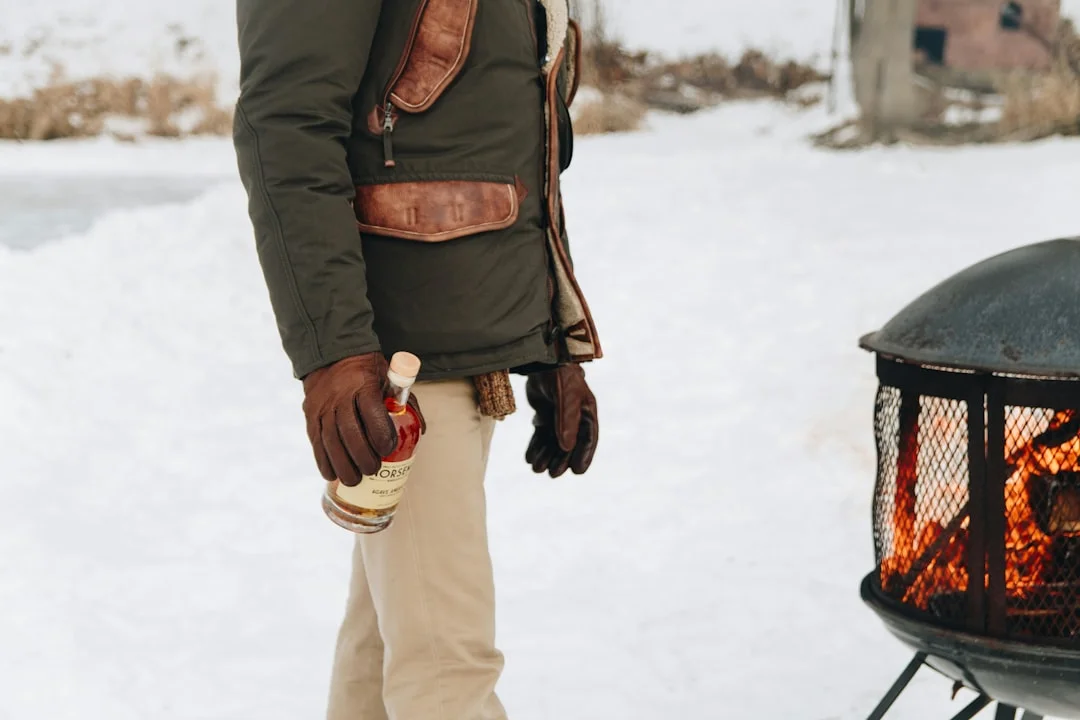
Emergency shelter: I now carry a SOL emergency bivvy on every shoulder-season hike. Weighs 3.8 ounces. Never used it. Still bring it. The ability to create a windproof, reflective shelter could be the difference between mild hypothermia resolving on its own and moderate hypothermia becoming an evacuation.
What I Would Tell Myself Before That October Hike
Looking back at the mistakes I made:
I underestimated how fast conditions change at elevation. The forecast was fine for West Glacier. It was not fine for 6,000+ feet on an exposed ridge with wind funneling through the passes.
I trusted cotton because I was worried about overheating. This was exactly backwards. Managing sweat with proper wicking fabrics prevents both overheating AND hypothermia. Cotton does neither.
I did not have a clear turn-back threshold. I kept hiking because I felt okay moment to moment, even as conditions degraded. By the time I felt not-okay, I was already experiencing symptoms.
I hiked solo without telling anyone my specific route. If those other hikers had not come along, no one would have known to look for me until I did not show up for work the next day.
These are beginner mistakes. I made them despite having years of summer hiking experience, because cold-weather hiking has different rules that summer does not teach you.
Field Decision Notes for Hypothermia Prevention Hiking Highline
For your reference on future trips:
- Temperature threshold: Below 25F ambient or below 10F wind chill—turn back if not well-conditioned for cold
- Wind threshold: Sustained winds above 30 mph on exposed sections—hypothermia risk increases significantly regardless of temperature
- Sweating threshold: If your base layer is damp and wind is picking up—stop, dry out, add shell before continuing
- Dexterity threshold: If you cannot zip your jacket on the first try—you are already showing early hypothermia signs, respond immediately
- Time threshold: Start early enough to complete the hike before afternoon weather changes, typically before 2 PM on shoulder-season days
The Highline Trail in good conditions is one of the finest hikes in North America. In marginal conditions, it is a beautiful place to make mistakes that can become dangerous quickly. Know the difference—that is the essence of hypothermia prevention hiking Highline Trail responsibly.
References
Official Sources:
- Current Conditions – Glacier National Park – National Park Service
- Wilderness Medical Society Practice Guidelines for the Out-of-Hospital Treatment of Hypothermia – Wilderness Medical Society
Trail Information:
- Highline Trail – AllTrails
Hypothermia Prevention:
- Hypothermia 101 – Backpacker Magazine
- How To Avoid, Recognize and Treat Hypothermia – Washington Trails Association
- Hypothermia Stages and Symptoms – Cleveland Clinic
Gear and Layering:
- How to Layer for Cold Weather Hiking – The Trek
- Layering for Winter Hikes – Backpacker Magazine
- Cold-Weather Hiking Tips – REI Expert Advice