
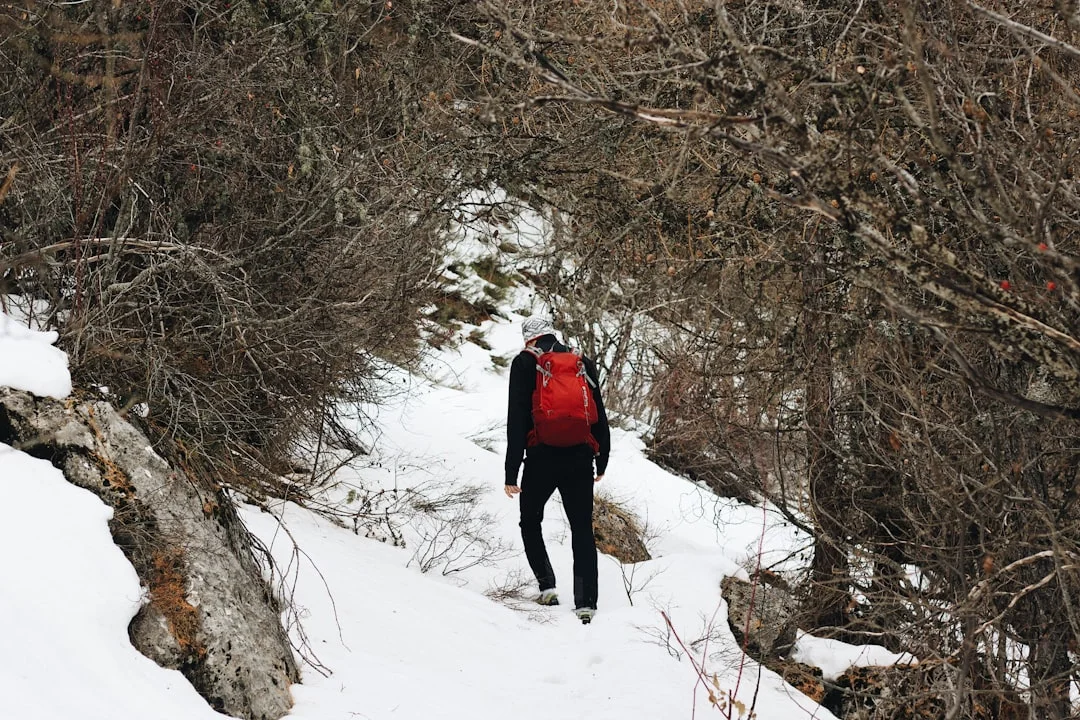
Pacific Crest Trail winter hiking safety is something I learned the hard way. I checked the avalanche forecast three times that morning. “Moderate” for the San Jacinto range. Should be fine, right? By mile four, I was post-holing through knee-deep snow with zero visibility of the trail markers, watching clouds build over Fuller Ridge, wondering how I’d miscalculated so badly.
That was two winters ago. I’ve since learned that winter hiking on the Pacific Crest Trail operates by completely different rules than summer thru-hiking. The trail that welcomes thousands of northbounders each April becomes something else entirely once snow falls. And most of the advice out there assumes you’re hiking in ideal conditions.
Scope: This guide covers winter section hiking on the PCT only. I’m not addressing thru-hiking, permit-season logistics, or summer conditions. If you’re planning a full thru-hike, start with the PCTA’s official resources.
Quick Decision Summary: Winter 2025-2026
Before going further: the Sierra snowpack is currently at 157% of average as of mid-January 2026. That’s not a typo. The Sierra sections are buried under 15-30 feet of snow, and even experienced mountaineers are waiting it out. The optimal entry date for the Sierra this year is predicted to be well after June 15.
- Best conditions: Southern California desert sections below 4,000 feet, when avalanche danger is Moderate or lower
- When to skip: Any Sierra Nevada, Oregon Cascades, or Washington sections; immediately after fresh snowfall; when avalanche danger hits Considerable or higher
- Who this is for: Hikers with at least one season of PCT or long-trail experience who want solitude and cooler temperatures
- Better alternatives if: You lack navigation skills for when trail markers disappear, or if you’re treating winter hiking as slightly colder summer hiking
The Section-by-Section Reality for PCT Winter Section Hiking
Here’s what I wish someone had told me before my San Jacinto disaster: the PCT transforms into three completely different trails in winter, and only one of them is safely hikable without technical mountaineering skills.
Southern California Desert: The Safe Zone for Winter Hiking
The stretch from Campo to roughly Warner Springs is genuinely pleasant in winter. Highs run 50-65F, lows hover around 30-45F. You’ll deal with different problems here: water sources may be dry, and you need to carry at least a gallon of capacity. But snow? Rarely an issue below 4,000 feet.
Campo to Mt. Laguna, roughly 43 miles, offers what Backpacker Magazine calls a “monastic experience” in winter. The spring crowds vanish. Trail angels hibernate. You’re on your own, which is either the point or a dealbreaker depending on your perspective.
I did this section in early February 2024 and saw exactly three other hikers over four days. The vegetation was green, the temperatures perfect, and I wondered why more people don’t do this. Then I checked Instagram and remembered: because it doesn’t photograph as dramatically as a snow-covered High Sierra.
The Transverse Ranges: Where PCT Winter Hiking Gets Complicated
Above Warner Springs, the terrain changes. The San Jacinto Mountains around Idyllwild accumulate serious winter snow. Fuller Ridge, Apache Peak, Antsell Rock. These names should make you pause.
The PCTA specifically warns that the PCT was not designed for travel when snow is on the ground. They’re not being dramatic. Trail markers sit at eye level on trees—which means they’re buried under six feet of snow in heavy winters. The trail itself becomes invisible. You’re no longer hiking the PCT; you’re navigating mountaineering terrain that happens to intersect with a summer trail.
I learned this on Fuller Ridge. What looked like a standard ridgeline on the map turned out to be a knife-edge of deep snow with 30-degree slopes on either side. The slope angles that worry avalanche experts? They start at 30 degrees. I was walking directly through the danger zone without realizing it.
My rule now: if snow depth exceeds two feet, I bail. Trail-finding becomes nearly impossible, and the risk escalates faster than most people expect.
Sierra Nevada: Just No
I’m not going to pretend I have winter Sierra experience because I don’t. And neither should you unless you’re a trained mountaineer with avalanche rescue certification.
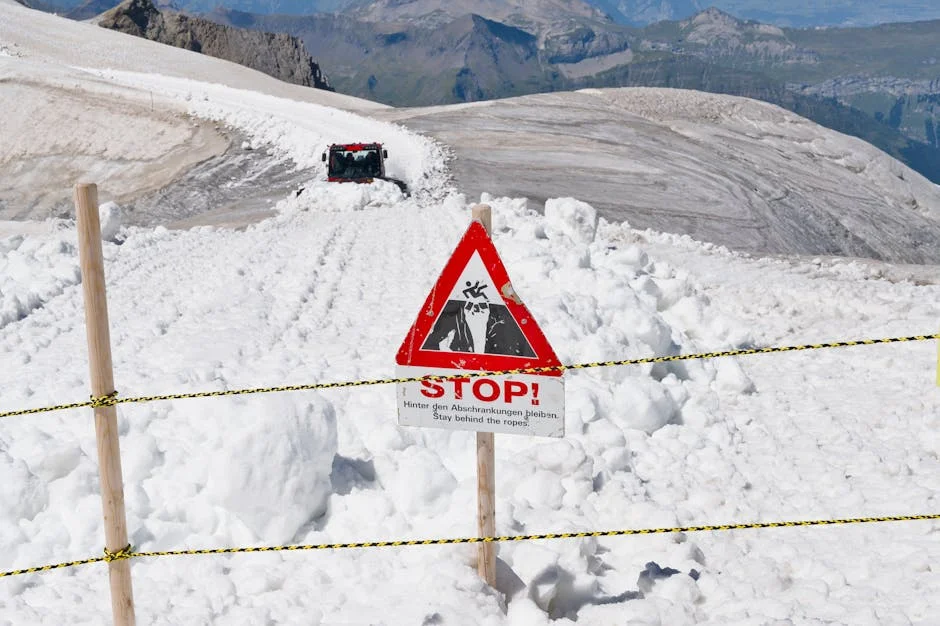
The Sierra sections from Kennedy Meadows to Sonora Pass sit under 15-30 feet of snow during normal winters. This year, with 157% snowpack, it’s worse. The passes are corniced, the creek crossings are buried under snow bridges of unknown stability, and the trail doesn’t exist until June at the earliest.
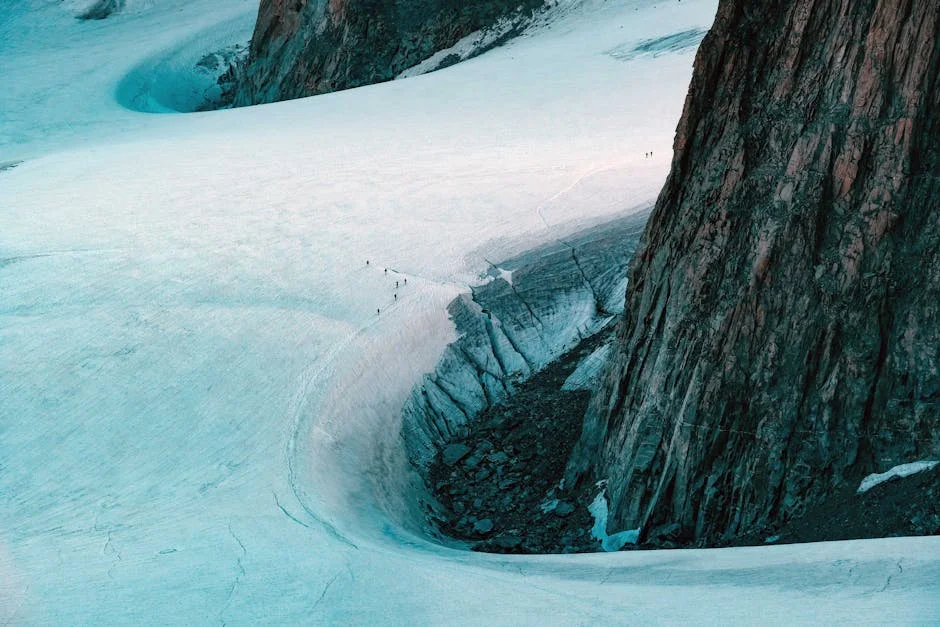
People have died on the PCT during high-water years when swollen creeks became impassable. The PCTA explicitly warns: PCT thru-hikers have drowned from creek fording during peak snowmelt. Winter adds avalanche danger on top of that.
Oregon and Washington: Buried Until Late Spring
The Oregon PCT stays buried under snow from roughly November through May in most years. The Cascades receive heavy, wet Pacific snow that consolidates into a dense snowpack making travel exhausting even with snowshoes.
Washington is worse. The North Cascades receive more snow than any other PCT section. Access roads close. The Glacier Peak Wilderness becomes true backcountry requiring days of self-sufficient travel through avalanche terrain.
I’ve talked to winter mountaineers who train in the Cascades. Their answer to “can you hike the PCT in winter” is usually a long pause followed by “why would you want to?”
Why I Chose the Desert Over the Drama
Let me be honest about something: I was disappointed when I realized winter PCT hiking meant desert hiking. I’d imagined snow-covered ridges and alpine lakes frozen in dramatic stillness. What I got was scrubby chaparral and brown hillsides.
But after that near-miss on Fuller Ridge, I’ve recalibrated. The Southern California desert sections offer what winter hiking should offer: solitude, mild temperatures, no crowds, and a reasonable expectation of making it home safely.
The Tehachapi to Walker Pass section, about 50 miles, is another option. But wind exposure there is significant. I haven’t done it myself, and the people I know who have describe it as “relentlessly windy” with dangerous wind chill potential. Something to consider if you’re specifically seeking challenge, but not where I’d send a first-time winter PCT hiker.
What the Avalanche Forecast Actually Means: Avalanche Safety Tips for Hikers
Most summer hikers have never checked an avalanche forecast. I hadn’t before my San Jacinto trip. Here’s what I’ve learned since about avalanche safety.
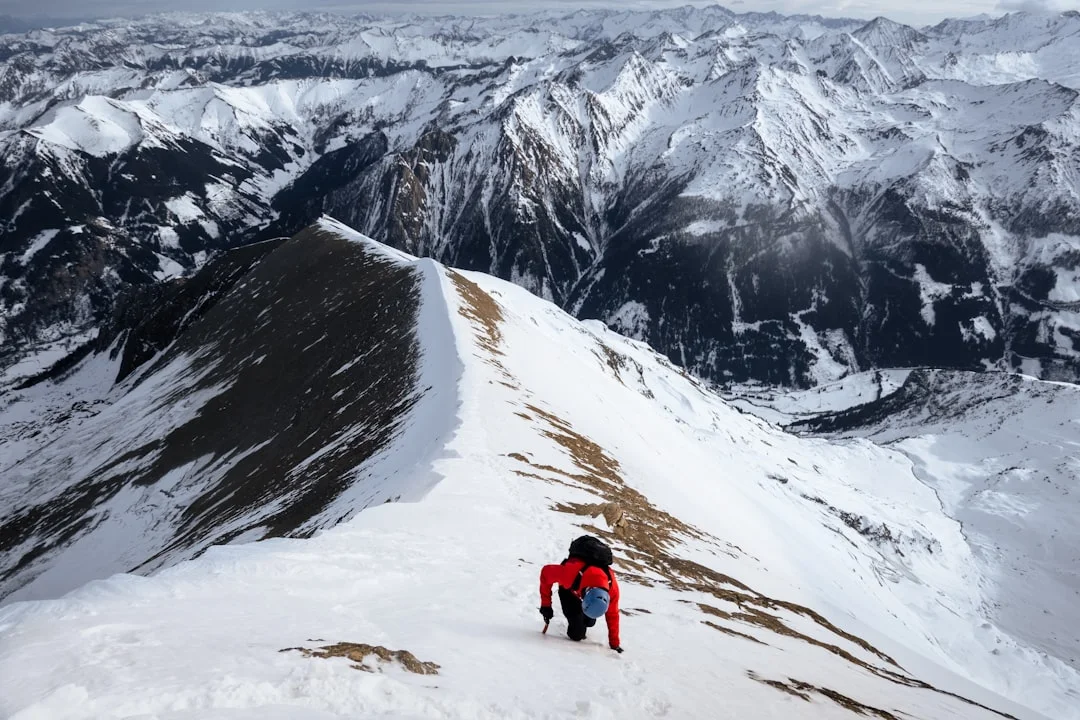
The danger scale runs from Low to Moderate to Considerable to High to Extreme. The PCTA recommends avoiding any winter hiking when danger is Considerable or higher. The Northwest Avalanche Center echoes this for the Cascades.
But here’s what nobody explains well: “Moderate” doesn’t mean safe. It means avalanches are unlikely on most terrain. The key word is “most.” Slopes between 30-45 degrees remain dangerous even at Moderate ratings. And the optimal angle for avalanche release? 37 degrees. That’s steeper than it looks when you’re standing on it.
The PCTA now recommends using GaiaGPS to plan routes that avoid 30-45 degree slopes entirely. I’ve started doing this and it’s eye-opening. Sections I assumed were mellow turn out to cross multiple avalanche paths.
My threshold: I now wait 24 hours after any significant snowfall before going out, regardless of the forecast. Fresh snow needs time to bond with the layers beneath it. This is basic avalanche science that summer hikers never learn because they never need it.
Winter Hiking Gear Checklist: What Actually Matters in Cold Weather
I’m not going to give you a complete gear list. There are dozens of those online, and the Halfway Anywhere PCT gear survey shows exactly what thru-hikers carry: 82% use traction devices, 60% carry ice axes, Kahtoola MICROspikes are most popular.
What I will share is what caught me off-guard on my winter hiking trips.
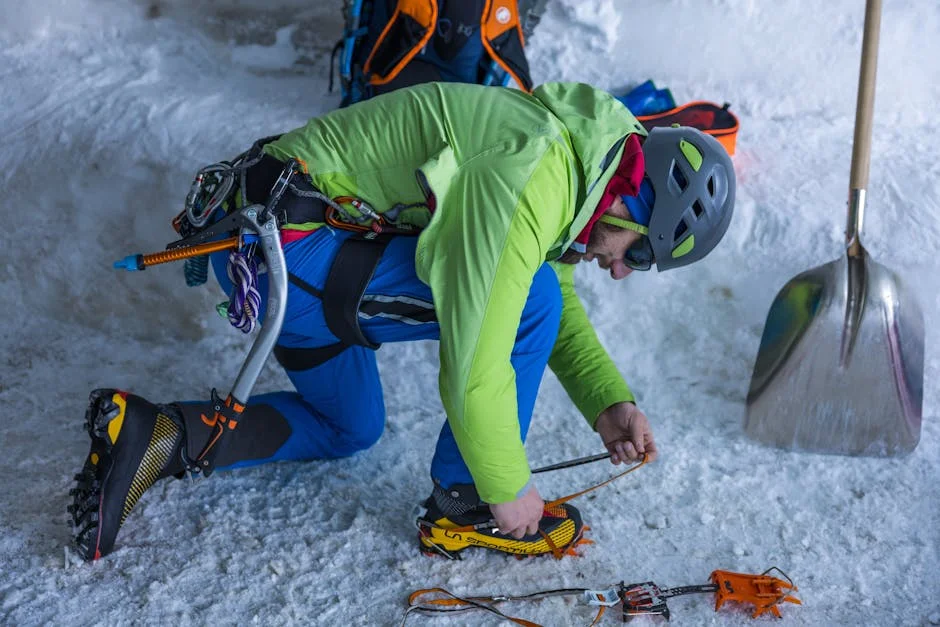
My phone died in three hours in 25F temperatures. The cold drains batteries exponentially faster than you expect. I now carry a dedicated GPS unit for winter trips and keep my phone in an inside pocket against my body. This isn’t optional if you’re relying on digital navigation.
Heavy gloves matter more than I anticipated. The PCTA recommends satellite communicators for winter travel, and after watching my phone die mid-navigation, I understand why. An InReach or SPOT device isn’t paranoid. It’s acknowledging that cell coverage on the PCT is spotty in summer and nonexistent in many winter sections.
The fleece layer I thought was overkill at the trailhead was the only thing keeping me comfortable by sunset. Temperature swings in the mountains are violent. Start cold, stay warm. It’s counterintuitive but accurate.
What I Got Wrong (And What You Probably Will Too)
I underestimated how much elevation changes conditions. At the trailhead, temperatures were mild, skies clear. Two thousand feet higher, I was in a different world: snow-covered, windy, visibility dropping.
I trusted the trail would be followable. It wasn’t. Trail markers on the PCT are positioned for summer conditions. In winter, the snow buries them, and what looks like obvious trail becomes one of many possible routes through terrain that all looks the same.
I assumed “moderate avalanche danger” meant I didn’t need to think about avalanches. It actually means I needed to think about them constantly, evaluating every slope angle, every wind-loaded section, every gully that might funnel slide debris.
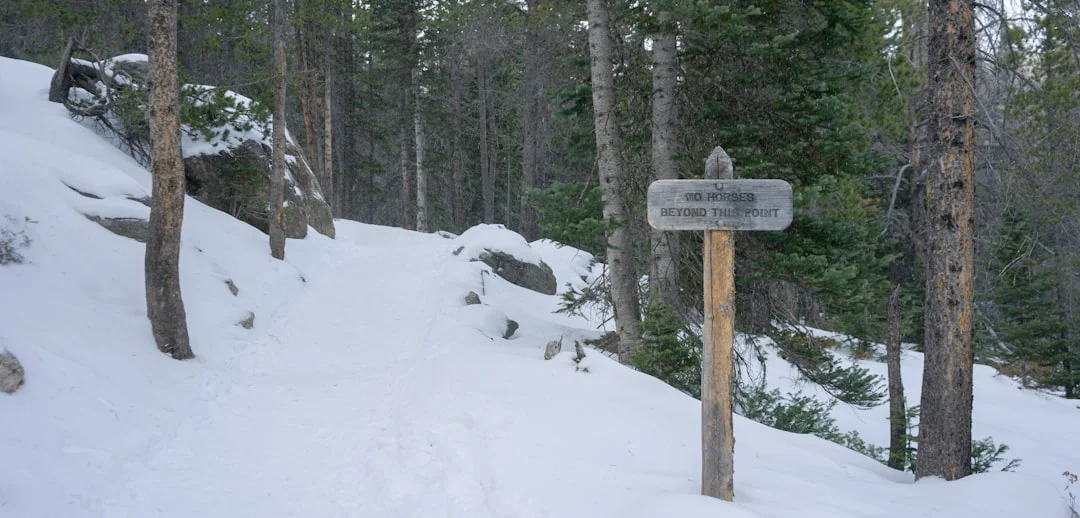
And I started too late. Winter days are short. The PCTA recommends starting by 7am and reaching camp by 4pm. I started at 9am, hit the snow zone around noon, and was navigating unfamiliar terrain in fading light by 4:30. That’s how mistakes compound.
The Honest Assessment
Here’s what I still don’t know: whether the west side of San Jacinto is safer than the east approach. I’ve read conflicting reports. Some say dip out at Desert View Picnic Area to avoid the worst of Fuller Ridge. Others say the entire section should be avoided in snow conditions. I’m not sure which is right, and I’m not going to test it again personally.
I also can’t tell you whether a “normal” snow year versus a high snow year like 2026 meaningfully changes the desert sections. The San Diego County stretch seems consistently accessible, but I’ve only been there once in a moderate year.
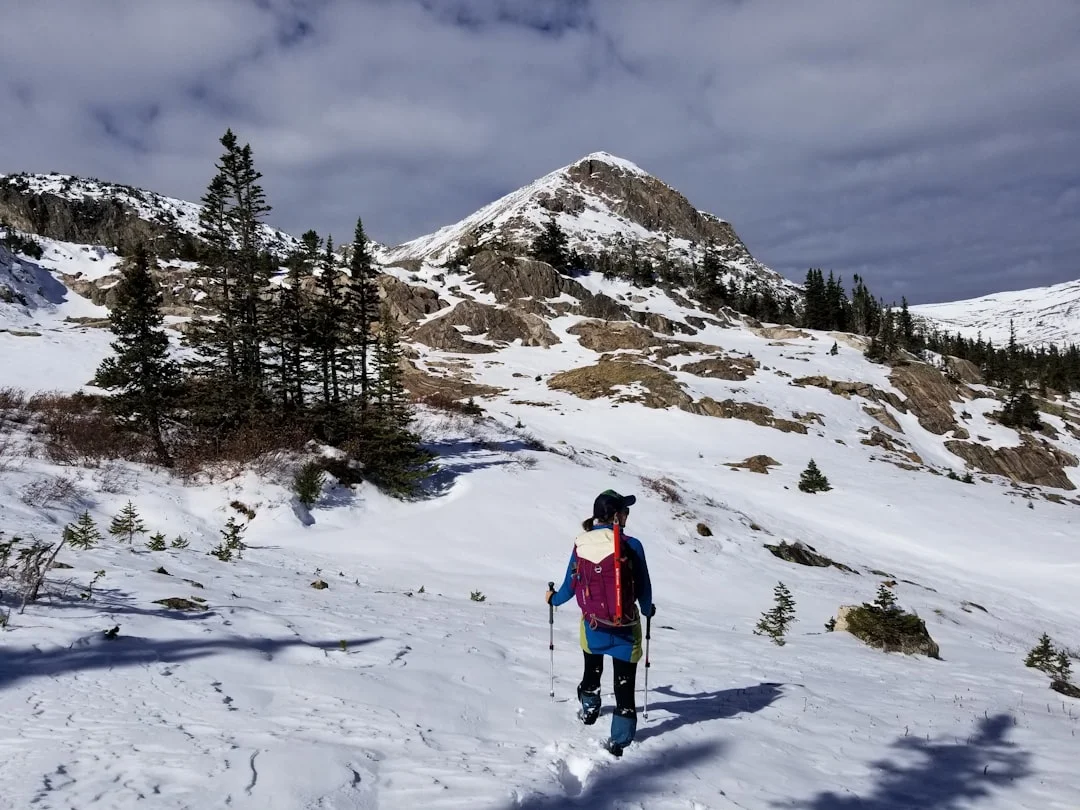
What I can tell you is this: the PCT in winter rewards caution and punishes ambition. The Sierra will still be there in July. Fuller Ridge will still be there after the snow melts. The desert sections offer real wilderness experience without requiring you to bet your life on snowpack stability.
If you’re experienced enough to safely winter hike the Sierra or Cascades, you’re not learning this from a blog post. You’ve taken the avalanche courses, you own the mountaineering gear, and you’ve practiced self-arrest until it’s muscle memory.
For the rest of us, the desert sections are the winter PCT. And honestly? After my Fuller Ridge experience, that’s more than enough adventure for me.
Field Decision Notes: Winter 2025-2026
- Best month: January-February for Southern California desert sections; avoid December (holiday crowds) and March (thru-hiker bubble begins)
- Gear threshold: When snow depth exceeds 6 inches, switch from trail runners to waterproof boots; when it exceeds 2 feet, microspikes become useless and snowshoes are mandatory
- Increased risk conditions: Fresh snow within 24 hours; winds above 20mph (creates wind slabs); temperatures near freezing (wet snow is unstable)
- Common mistakes: Starting too late (after 9am); trusting “Moderate” avalanche rating as “safe”; carrying only phone navigation (batteries fail in cold)
- First-timer advice: Start with Campo to Mt. Laguna (43 miles); avoid anything above 5,000 feet until you’ve completed multiple winter sections
What I’d Do Differently
Next time I attempt anything above 4,000 feet on the PCT in winter, I’m taking an avalanche safety course first. Not because I plan to hike avalanche terrain, but because I want to recognize it before I’m standing in the middle of it.
I’m downloading offline maps for the entire section plus significant buffers. My Fuller Ridge mistake would have been obvious if I’d looked at slope angles on GaiaGPS beforehand.
And I’m treating “Moderate” avalanche danger as “stay alert,” not “you’re fine.” The danger levels communicate probability, not safety. Low probability of an avalanche still means avalanches can and do happen.
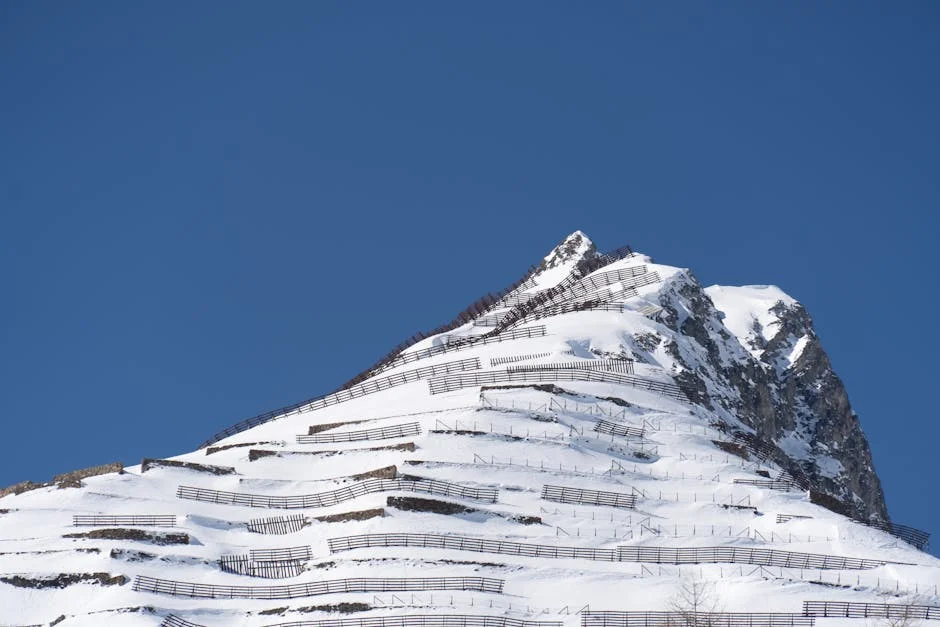
The Pacific Crest Trail winter hiking safety lesson I learned is simple: this is a different trail in winter. Respect that, and the desert sections offer something rare: genuine solitude on one of America’s most crowded trails. Ignore it, and the mountains will teach you humility the hard way. I got lucky. You might not.
References
Official Sources:
- Avalanche danger on the PCT – Pacific Crest Trail Association
- Winter recreation and snow information – Pacific Crest Trail Association
- When to hike the PCT – Pacific Crest Trail Association
Snow Conditions:
- 2026 Pacific Crest Trail Snow Conditions – Postholer
- Will 2026 Be a High Snow Year on the PCT? – The Trek
Section Guides:
- You Can Still Hike The Pacific Crest Trail In The Off-Season – Backpacker Magazine
Avalanche Safety:
- Winter Hiking and Snowshoeing in the Cascades – Northwest Avalanche Center