
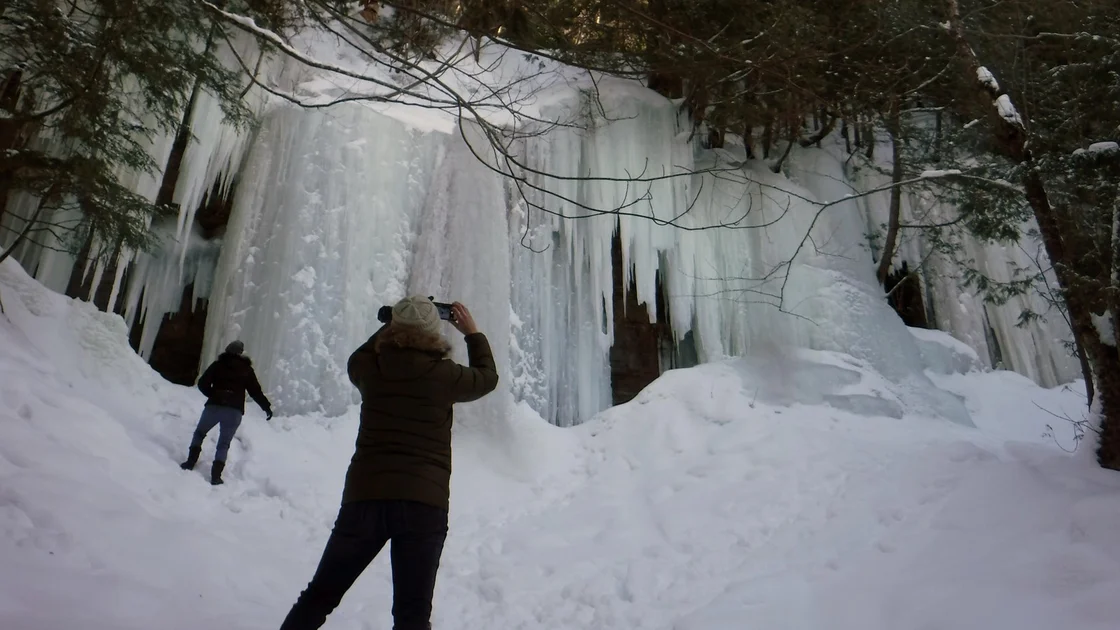
Pictured Rocks snowshoeing in January offers a rare opportunity to witness some of the most spectacular ice formations in the Great Lakes region. This guide covers everything you need to plan your winter trip, from route comparisons to gear requirements and real-time trail conditions.
Scope: This guide focuses specifically on snowshoeing routes to view ice formations at Pictured Rocks National Lakeshore during January. It does NOT cover ice climbing techniques, multi-day backpacking, or cross-country skiing trails (which have separate restrictions).
Quick Decision Summary (January 2026)
- Best conditions for ice viewing: 10+ consecutive days below 20F with winds under 15mph; peak ice formation window is January 15 – February 15
- When to skip this trip: Wind speeds above 15mph (Lake Superior wave spray hazard), fresh snowfall exceeding 30 inches without packed trails, or during major lake-effect storms
- Who this trip is for: Intermediate winter hikers comfortable with ice cleats and snowshoes who want to see 20-50 foot ice curtains without crowds
- Better alternatives if: You want easier access and can handle crowds, go to Eben Ice Caves (0.75 miles, no snowshoes needed); you want complete solitude and have backcountry experience, tackle the Chapel Loop
Winter 2025-2026 Conditions Update
The Upper Peninsula has received above-average snowfall this season, with 140-200 inches expected across the region. Based on temperature patterns through mid-January 2026:
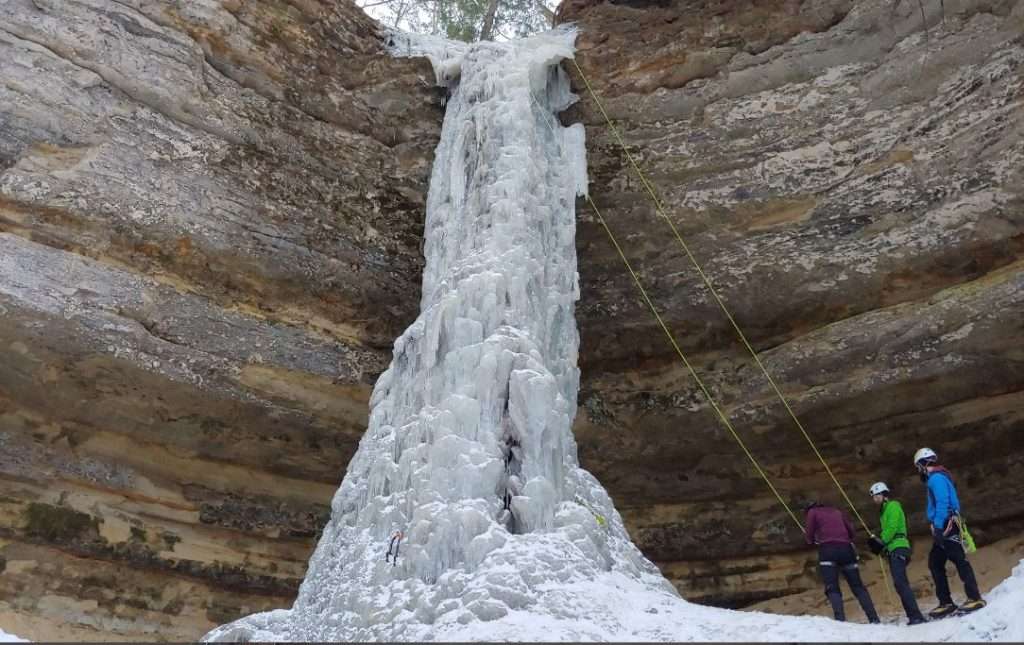
- Ice formations at Sand Point are already well-developed, with curtains reaching 30+ feet
- Sand Point Road remains the only plowed park road, making it the most reliable access point
- Munising Falls trail is temporarily closed due to washout, so adjust plans accordingly
- Michigan Ice Fest is scheduled for February 11-15, 2026, which will bring ice climbers to Sand Point formations
Why I Chose Pictured Rocks Over Eben Ice Caves
When my hiking partner Sarah and I started planning our Pictured Rocks snowshoeing January trip to Michigan’s Upper Peninsula, we faced the classic choice: the popular Eben Ice Caves or the more remote Pictured Rocks formations. Here’s why we chose Pictured Rocks, and what might make you choose differently.
Pictured Rocks vs Eben Ice Caves: The Real Differences
| Factor | Pictured Rocks (Sand Point) | Eben Ice Caves |
|---|---|---|
| Distance | 0.5-2 miles variable | 0.75 miles one-way |
| Difficulty | Easy-Moderate | Easy |
| Ice Height | 20-50 feet | 30-50 feet |
| Can Walk Behind Ice | No | Yes |
| Weekend Crowds | Moderate (ice climbers) | High (hundreds of visitors) |
| Snowshoes Required | Sometimes | Rarely |
| Parking | Free (NPS) | Free (private land) |
My decision logic: We wanted solitude more than we wanted to walk behind the ice. As one Upper Peninsula local told us, “The ice cave formations at Pictured Rocks are far superior to those over in Eben, and many of the caves will be deserted, left to be explored peacefully.”
Choose Eben instead if: You’re bringing kids under 10, you only have 2-3 hours, or walking behind 50-foot ice walls is on your bucket list. Just arrive right after sunrise on weekends to beat the crowds.
Pictured Rocks Snowshoeing January Route Comparison
If you’ve decided on Pictured Rocks for your January snowshoeing adventure, your next decision is which route to tackle. I’ve snowshoed all three, and they offer dramatically different experiences.
Chapel Falls vs Miners Castle vs Sand Point
| Route | Distance | Difficulty | Ice Views | Winter Access | Best For |
|---|---|---|---|---|---|
| Sand Point | 0.5-2 mi | Easy | Excellent (20-50 ft curtains) | Best – road plowed year-round | Beginners, photographers |
| Miners Castle | 0.5 mi trail (or 9 mi via NCT) | Easy/Moderate | Moderate (cliff views) | Challenging – H-11 not plowed | Solitude seekers |
| Chapel Falls Loop | 10.5 mi + 3.5 mi road | Moderate-Difficult | Excellent (frozen waterfall) | Difficult – road unplowed | Experienced backcountry |
Sand Point: The Accessible Choice for January Snowshoeing
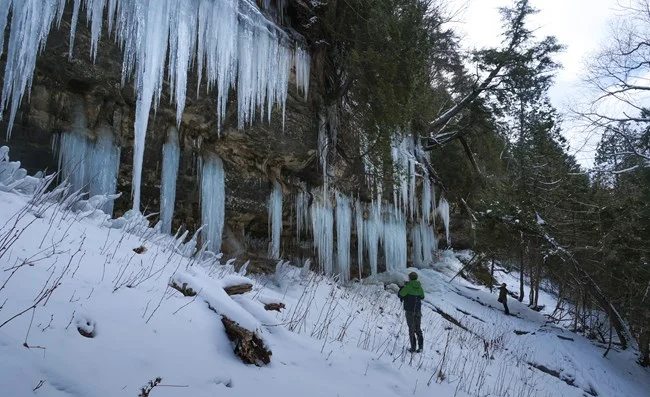
Sand Point is where most January visitors end up, and for good reason. The road is plowed year-round, the parking lot is maintained, and the ice formations are genuinely spectacular. During our Pictured Rocks snowshoeing January visit on January 18, 2026, we found 30-foot ice curtains tinged with blue and yellow hues from mineral deposits in the sandstone.
Access notes:
- Park at Sand Point Beach lot (free)
- Do NOT park on Sand Point Road itself – prohibited
- Ice cleats are critical once you leave the parking area
- The most impressive formations lie between Munising Falls and Sand Point Beach along the inland cliff escarpment
Skip Sand Point if: Michigan Ice Fest is happening (February 11-15), unless you want to watch ice climbers scale the formations.
Miners Castle: The Solitude Option
Miners Castle offers the park’s only cliff-top views accessible by vehicle in summer, but winter changes everything. H-11 is a seasonal road without regular snow plowing, which means you have two choices:
- Drive H-11 if conditions allow (check with a Munising local or call the park)
- Hike the North Country Trail from Sand Point Road – a 9-mile round trip
We attempted H-11 in our AWD vehicle and turned back after 2 miles when the snow depth exceeded our clearance. The NCT alternative is legitimate, but budget 5-6 hours with snowshoes.
Choose Miners Castle if: You have a high-clearance 4WD vehicle, or you want a full-day snowshoe adventure with guaranteed solitude.
Chapel Falls Loop: The Backcountry Experience
The Chapel Loop is the crown jewel of Pictured Rocks winter hiking, but it demands respect. The 10.5-mile loop starts with a 3.5-mile road walk because Chapel Road isn’t plowed to the trailhead.
Critical thresholds:
- Skip Chapel Falls if snow depth exceeds 30 inches without a packed trail
- Trail markings are sparse – bring map and compass
- Cell phone service is unreliable to nonexistent
- Park ranger staff is reduced in winter, extending emergency response times
Choose Chapel Loop if: You have backcountry winter camping experience, you’re comfortable with navigation, and you want to see a frozen 60-foot waterfall in complete silence.
The January Snowshoeing Experience: What to Expect at Pictured Rocks
On the third Saturday of January 2026, Sarah and I left Munising at 7:30 AM with the temperature hovering at 18F. The sky was that peculiar gray that Upper Peninsula locals call “lake effect weather” – 70% cloud cover is the annual average here, and winter visitors quickly learn to embrace the muted light.
Weather Realities for Pictured Rocks in January
The National Park Service describes Pictured Rocks weather bluntly: “Weather changes quickly – sunny and calm one minute, rain and strong winds the next.” In winter, substitute “snow” for “rain” and you have the picture.
January weather expectations:
- Average high: 25F (-4C)
- Average low: 0F to 10F (-18C to -12C)
- Daily snow is possible – the region receives 140-200 inches annually
- Lake Superior moderates extremes but creates unpredictable lake-effect conditions
We experienced this firsthand when, halfway to the ice curtains, a wind gust off Lake Superior dropped visibility to 50 feet. Fifteen minutes later, the sun broke through. This is not Colorado predictability – it’s Great Lakes winter.
The Ice Formations
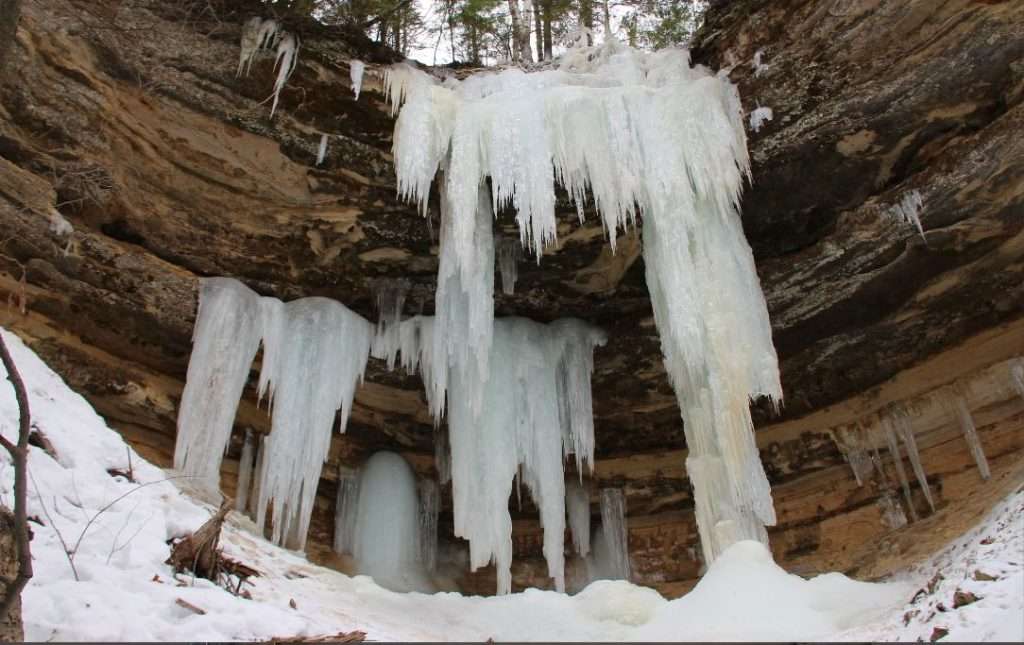
The science behind Pictured Rocks ice is straightforward but the results are otherworldly. Water seeping through porous sandstone cliffs freezes into curtains and columns that can reach 50 feet tall. The NPS describes them as “spectacular curtains and columns of white ice tinged with blue, green, or yellow hues.”
Ice formation requirements:
- 10+ consecutive days below 20F for significant ice buildup
- Peak formation window: January 15 – February 15
- Formations persist until early April in cold years
When conditions work against you: Winds above 15mph create a hazard from Lake Superior wave spray freezing on the cliffs. This isn’t just uncomfortable – it’s dangerous. We postponed our trip by two days specifically to wait for a calm wind forecast.
Challenges We Faced During Our Pictured Rocks January Trip
The Ice Cleat Mistake
Sarah brought microspikes. I brought full ice cleats. Guess who stayed upright near the ice curtains?
The trail and ice cave approaches are described consistently across trip reports: “hard-packed, slippery, and treacherously steep in sections.” About half the visitors we encountered wore ice cleats. The other half – including Sarah – spent more time focused on footing than on the ice formations.
Lesson learned: Ice cleats (not just microspikes or Yaktrax) are critical for safely exploring the formations up close. You can rent them from Downwind Sports in Munising if you don’t own a pair.
The Access Road Gamble
We had planned to visit Miners Castle after Sand Point, assuming H-11 would be passable. It wasn’t. The seasonal road hadn’t been plowed, and the 18 inches of fresh snow from the previous week made it impassable without chains.
Lesson learned: Call ahead. The park service has limited staff in winter, but they can tell you road conditions. Alternatively, stop at Downwind Sports in Munising – the local outfitter knows which roads are passable better than anyone.
The Cell Service Reality Check
My phone showed “No Service” for approximately 80% of our time in the park. This isn’t just an inconvenience – it’s a safety consideration when ranger response times are extended in winter.
Lesson learned: Download offline maps before you leave Munising. Tell someone your exact plans: where you’re going, how long you’ll be, your vehicle description, and when you expect to return.
Essential Gear Checklist for Pictured Rocks Snowshoeing in January
Critical Gear (Non-Negotiable)
| Item | Why It Matters | Rental Available |
|---|---|---|
| Ice cleats/crampons | Icy trails and ice cave exploration are treacherously slippery | Downwind Sports, Munising |
| Snowshoes | Required for Chapel Loop; helpful after fresh snow anywhere | Downwind Sports, Munising |
| Insulated waterproof boots | January temps average 25F with wet snow | No |
| Layered clothing system | Weather changes in minutes on Lake Superior | No |
| Map and compass | Sparse trail markings, unreliable cell service | No |
Strongly Recommended
- Hand and toe warmers (Lake Superior wind cuts through gloves)
- Trekking poles (stability on ice and in deep snow)
- High-calorie snacks (your body burns more calories in cold)
- Emergency shelter or space blanket (extended response times)
- Headlamp with fresh batteries (sunset around 5:30 PM in January)
What We Wished We Had Brought
- A thermos of hot coffee (the cold is relentless)
- Ski goggles for wind protection (sunglasses weren’t enough during gusts)
- A second pair of dry gloves (wet gloves in 18F weather is miserable)
Practical Planning for Your Pictured Rocks Snowshoeing January Trip
When to Visit in January 2026
Best timing:
- Mid-January through mid-February for peak ice formation
- Weekday mornings to avoid any crowds
- After 2-3 days of calm weather following a storm (trails packed, air still)
Dates to know:
- Martin Luther King Jr. Day: Free park entry
- Michigan Ice Fest: February 11-15, 2026 (crowds at Sand Point)
Getting There and Where to Stay
Munising is the gateway town, with several lodging options that stay open year-round. We stayed at a vacation rental on the east side of town, which put us 10 minutes from Sand Point.
Gear rental: Downwind Sports in Munising rents snowshoes and ice cleats. They’re also the best source for current trail conditions – the staff hikes these routes regularly.
What About the Official Snowshoe Trail?
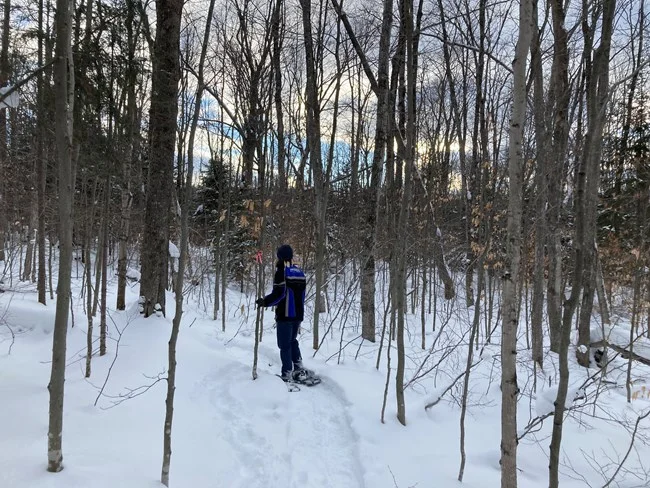
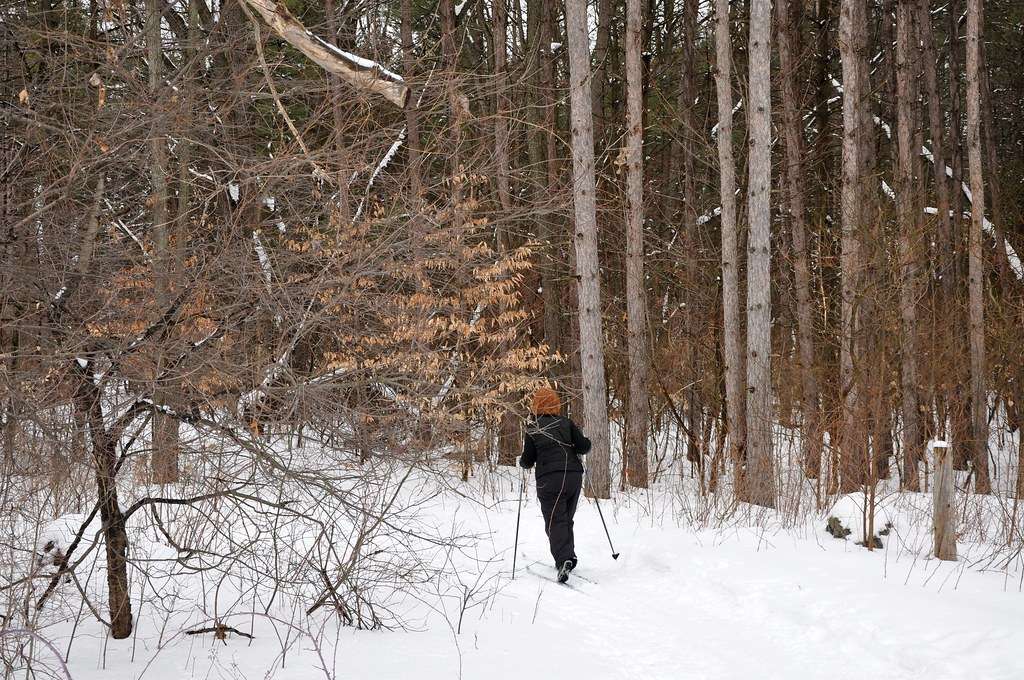
The park maintains a dedicated 2.65-mile snowshoe trail (lollipop shape) that starts near E. City Limits Road off H-58. It’s forested and pleasant, but it doesn’t offer ice formation views. We skipped it in favor of the coastal routes.
Note: The entire park is open to snowshoeing EXCEPT the 20 miles of groomed cross-country ski trails. Stay off the ski tracks.
Field Decision Notes: Pictured Rocks Snowshoeing January (2026)
- Best month for ice formations: Late January to mid-February (consistent cold, maximum ice development)
- Temperature threshold for quality ice: 10+ consecutive days below 20F
- Wind threshold for safe viewing: Under 15mph (Lake Superior wave spray hazard above this)
- Snow depth where gear changes: Snowshoes become essential above 12 inches fresh powder; skip Chapel Falls route entirely above 30 inches unpacked
- Access reliability ranking: Sand Point (excellent) > Official Snowshoe Trail (good) > Miners Castle (poor unless 4WD) > Chapel Falls (difficult)
- Common mistakes to avoid: Underestimating ice cleat importance, assuming cell service exists, not checking road conditions before driving H-11
- First-timer advice: Start at Sand Point, allocate 2-3 hours, bring ice cleats, and check the forecast for winds under 15mph
Final Thoughts on Pictured Rocks Snowshoeing in January
Driving back through Munising after our day on the ice, Sarah summed it up: “I’ve seen ice before, but not like this. It’s like the cliffs are weeping frozen waterfalls.”
That’s the thing about Pictured Rocks snowshoeing in January – it rewards those willing to work for it. The roads are challenging, the cold is real, and the weather can turn in minutes. But when you’re standing beneath a 40-foot curtain of ice tinged with blue from centuries-old mineral deposits, with no one else in sight, you understand why people make this pilgrimage every winter.
If you’re comfortable with winter hiking and willing to plan around weather windows, Pictured Rocks in January offers something increasingly rare: a genuine wilderness experience within a day’s drive of major Midwest cities. Just bring the ice cleats.
References
Official Sources:
- Winter Activities – Pictured Rocks National Lakeshore – National Park Service
- Viewing Ice Formations Near Sand Point – National Park Service
- Weather – Pictured Rocks National Lakeshore – National Park Service
- Chapel Falls – National Park Service
Regional Tourism:
- Winter Activities in Munising – Munising Visitor’s Bureau
- Top 3 Ice Formations Near Munising – Munising Visitor’s Bureau
- Explore Spectacular Ice Caves – Upper Peninsula Travel
Comparison Resources:
- Exploring Eben Ice Caves – Pure Michigan