
Scope: This guide focuses specifically on winter hiking the Falls Trail at Ricketts Glen State Park in Pennsylvania, including official gear requirements, registration procedures, and route options. It does NOT cover summer hiking, ice climbing, or backcountry camping in the park.
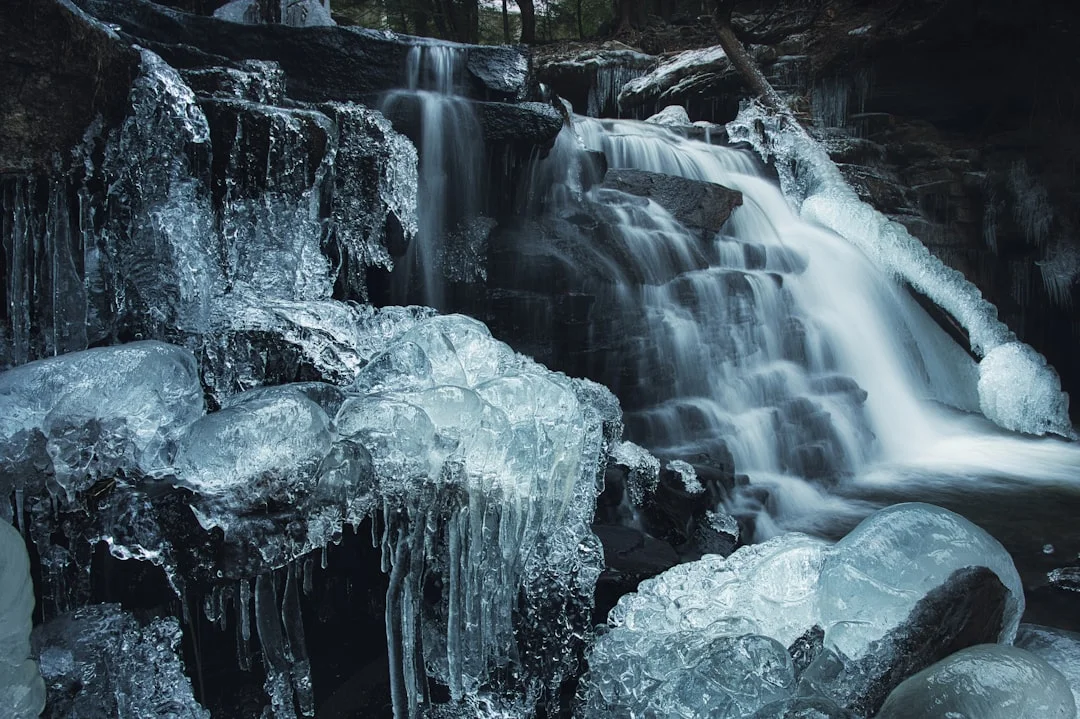
Ricketts Glen winter hiking offers one of the most spectacular frozen waterfall experiences in the eastern United States. The first time I saw Ganoga Falls frozen solid, I stood there for ten minutes, just staring. Ninety-four feet of ice, tinged with shades of aqua-green and white, cascading down in frozen silence. The waterfall that roars in summer had become a cathedral of icicles reaching fifteen to twenty feet in height.
But getting to that moment required more than showing up with hiking boots and enthusiasm. Ricketts Glen’s Falls Trail in winter is not your typical frozen waterfall walk. Pennsylvania’s Department of Conservation and Natural Resources (DCNR) officially closes the trail from mid-November through mid-April, and they mean it. To access the Falls Trail in winter, you need specific technical gear, mandatory registration, and the knowledge that a $300 fine awaits anyone who shows up unprepared.
This guide covers everything you need to make that frozen waterfall dream a reality, including the gear decisions that matter most, the registration process that most guides skip over, and the honest assessment of whether this hike is right for you.
Quick Decision Summary (Winter 2025-2026)
- Best conditions for Ricketts Glen winter hiking: Temperatures below 25°F for 5+ consecutive days (ensures full freeze), clear skies, wind under 15 mph
- When to skip Falls Trail: During active snowfall or ice storms, temperatures above freezing for 3+ days (unstable ice), weekends after fresh snow (crowds at registration)
- Who this is for: Intermediate hikers comfortable with steep terrain, willing to invest in proper crampons and ice axe, able to commit 5-7 hours
- Better alternatives if: You lack crampons/ice axe, go to Bushkill Falls (paved paths, visible frozen falls); You want easier terrain, try Nay Aug Gorge in Scranton
Winter 2025-2026 Conditions Update
This winter has brought excellent freezing conditions to northeastern Pennsylvania:
- Extended cold snaps in January have produced exceptional ice formations
- Ganoga Falls and the larger cascades are reporting near-complete freeze coverage
- Trail ice conditions have been consistent, requiring full crampons throughout
- Valley to Summit guided tours may not be operating this season, so self-guided preparation is essential
Why Ricketts Glen Over Other PA Frozen Waterfall Hikes
Pennsylvania has seven notable frozen waterfall destinations, but Ricketts Glen stands alone for one reason: density. Twenty-two named waterfalls in a single 7-mile loop. No other trail in the Mid-Atlantic comes close.
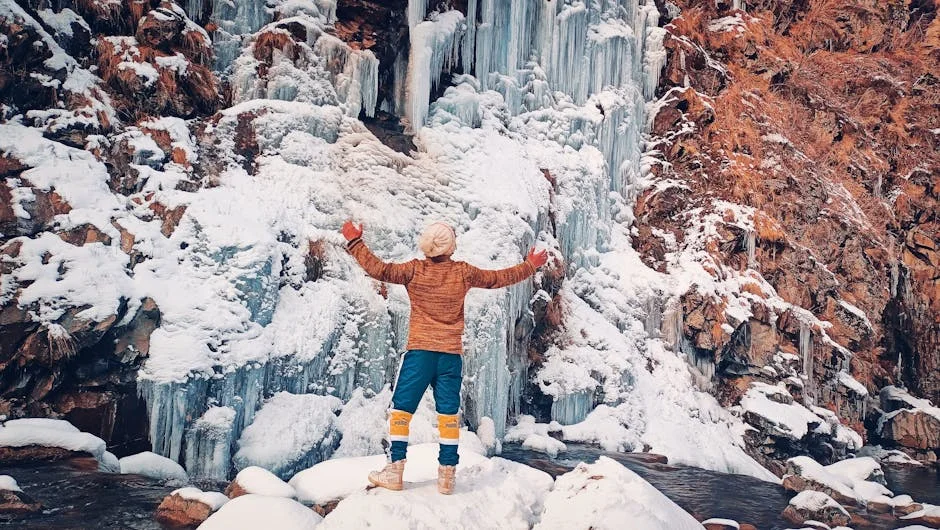
Compared to Bushkill Falls: Bushkill offers eight waterfalls with paved viewing platforms, perfect for families, but you are looking at frozen falls from a distance. At Ricketts Glen, you walk beside them, under them, and through the mist that freezes on your jacket.
Compared to Ohiopyle Falls: Ohiopyle provides a single massive waterfall experience with easier access. But if you drove 2.5 hours from Philadelphia, one waterfall feels incomplete compared to twenty-two.
Compared to Nay Aug Gorge: Closer to Scranton, much shorter hike, but the frozen formations are smaller and less dramatic than Ganoga’s 94-foot ice curtain.
My choice logic: When I have a full winter day and proper gear, Ricketts Glen is the only option. When I’m introducing someone to frozen waterfalls for the first time, I send them to Bushkill where they can see impressive ice without the technical demands.
Ricketts Glen Winter Hiking Gear: Why Crampons, Not Microspikes
This is where most online guides get it wrong. They mention “traction devices” or suggest microspikes might work. They will not.
Pennsylvania DCNR officially requires three pieces of equipment for Falls Trail winter access:
- Ice crampons (full crampons with front points, not microspikes)
- Ice axe
- Rope (minimum 30 feet of nylon rope per group)
Microspikes are designed for packed snow and light ice. The Falls Trail in winter presents something different entirely: steep rock stairs coated in verglas ice, narrow ledges where a slip means a 20-foot fall, and frozen spray zones where the ice builds up in layers. I watched a hiker with microspikes attempt the descent past Harrison Wright Falls, and his feet went out from under him three times in fifty feet. He turned back at Sheldon Reynolds.
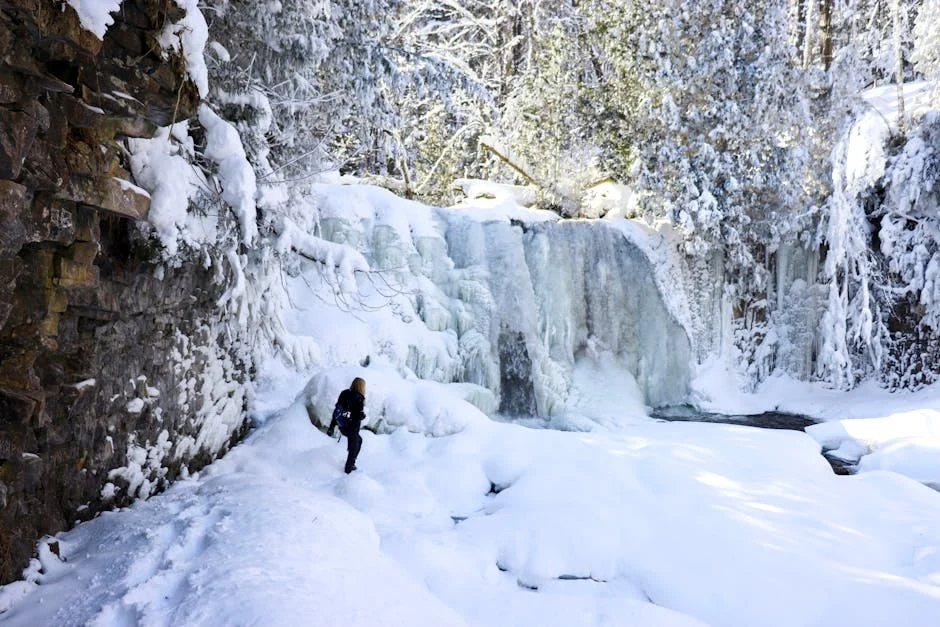
The ice axe requirement seems excessive until you are using it to test whether that flat white surface ahead is packed snow or a thin ice shell over running water. I probe every questionable surface before committing weight. The axe also serves as a third point of contact on the steepest descents.
The rope requirement exists because groups occasionally need to assist each other across the most treacherous sections. I carry 50 feet of 8mm static rope, which I have used twice in six winter visits.
Recommended Additional Gear
Beyond the park requirements:
- Gaiters (essential for keeping snow out of boots)
- Trekking poles (for balance on approach sections)
- Layered non-cotton clothing (merino base, fleece mid, shell outer)
- Waterproof insulated boots (frozen spray will soak anything less)
- Two pairs of non-cotton socks (one backup)
- 2-3 liters of water (in insulated bottles to prevent freezing)
- Emergency first aid kit
Registration: The $300 Fine Nobody Talks About
The registration process is not optional. Park staff check the Falls Trail, and hikers without proper gear or registration face fines up to $300.
How to register:
- Stop at the park office during operating hours (typically 8 AM – 4 PM)
- Show your gear to park staff, who will verify crampons, ice axe, and rope
- Sign the registration book with your name, party size, planned route, and expected return time
- Sign out when you return
If entering from Route 118 (the upper lot at Lake Rose), call 570-477-5675 to register by phone. The office may send someone to verify your gear, or they may clear you based on your description.
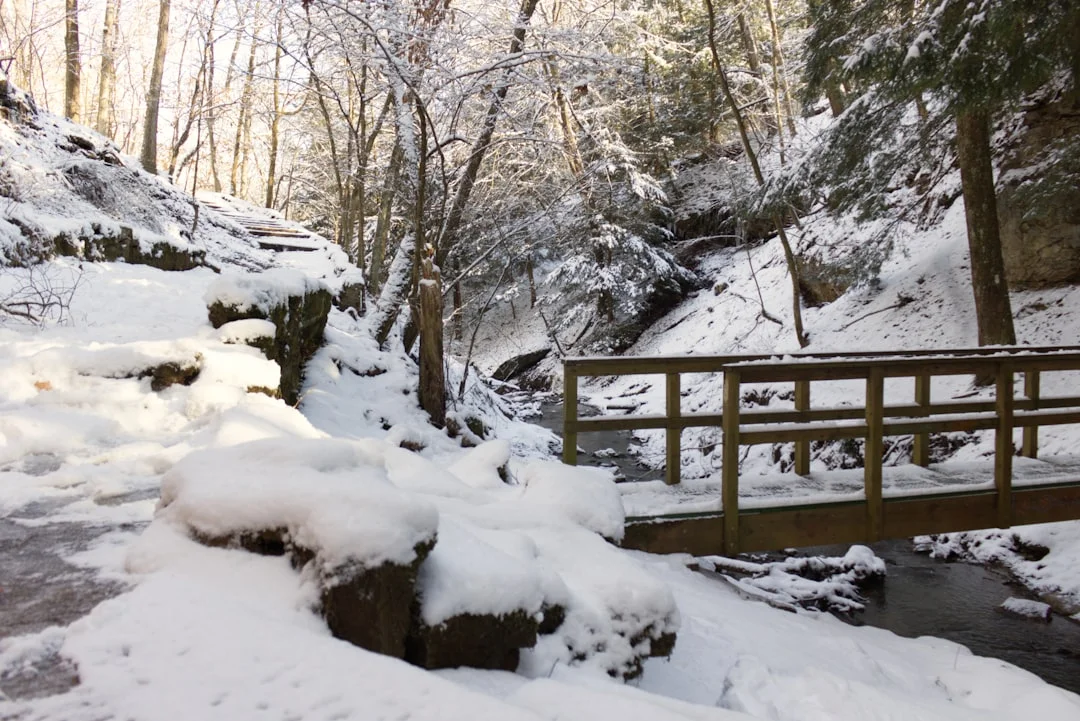
Pro tip: Arrive at the park office right at 8 AM on weekends. By 9 AM, the gear verification process can have a 20-minute wait, and you lose precious daylight.
Trail Options: Full Loop vs. V Trail
Falls Trail Loop (Full Experience)
- Distance: 6.9-7.2 miles
- Elevation gain: 1,053 feet
- Waterfalls: 21-22 named falls
- Time: 5-7 hours in winter conditions
- Difficulty: Hard
The full loop starts from Lake Rose parking area, descends through Glen Leigh past waterfalls including Ozone, Huron, and Shawnee Falls, reaches the 94-foot Ganoga Falls at the bottom, then ascends through Ganoga Glen past Erie, Mohican, and Delaware Falls before climbing back to the rim.
V Trail (Shorter Alternative)
- Distance: 3.2-3.7 miles
- Waterfalls: 17-18 falls
- Time: 3-4 hours in winter
- Difficulty: Hard
The V Trail skips the connector across the top rim, going down one glen and up the other. You see nearly as many waterfalls but save 3-4 miles of relatively flat hiking. On short winter days, this is often the smarter choice.
Half-Day Option (Waters Meet Only)
- Distance: 2.4 miles out and back
- Waterfalls: 4 major falls plus Ganoga
- Time: 2.5-3 hours
- Difficulty: Moderate-Hard
This option descends to Waters Meet where the two glens converge, sees Ganoga Falls and several others, then returns the same way. It requires the same gear and registration as the full loop.
The Waterfalls: What to Expect When Frozen
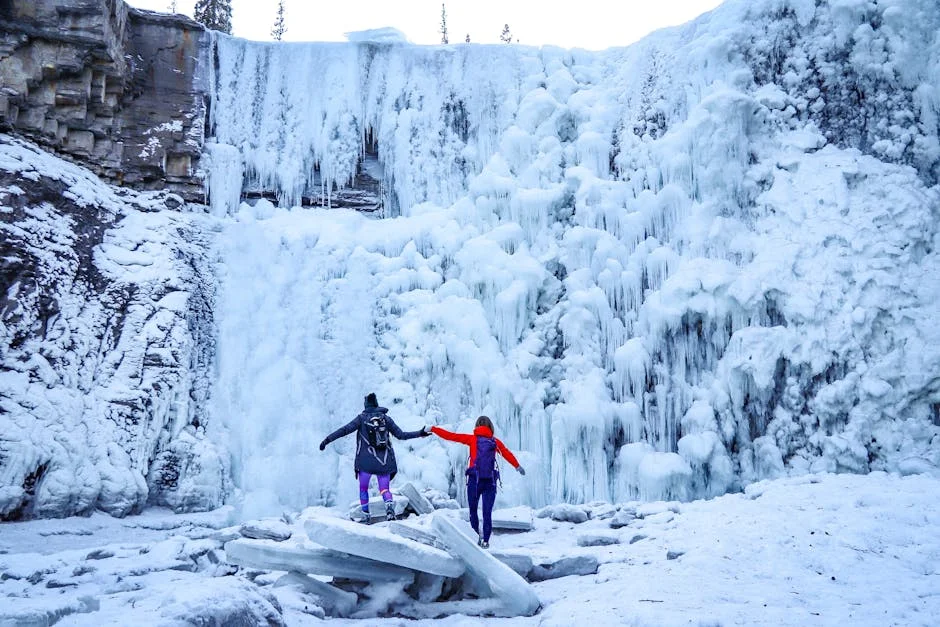
Ganoga Falls (94 feet): The crown jewel. In full freeze, it transforms into what hikers call an “icicle cathedral,” with massive columns of ice in shades of blue, green, and white. The sound changes too. Instead of roaring water, you hear the occasional crack of shifting ice and the trickle of water still flowing behind the frozen curtain.
Harrison Wright Falls (27 feet): One of the most photographed in summer, equally stunning in winter. The cascade freezes in layers that catch morning light in spectacular ways.
F.L. Ricketts Falls (380 feet): Not the tallest single drop, but the longest cascade. Imagine a frozen wedding cake spanning the width of the glen.
Murray Reynolds Falls: The only major waterfall accessible without full gear. From the lower parking area, you can walk to a viewpoint and see this fall partially frozen. If you lack the equipment for the full trail, this is your consolation prize.
The ice formations reach their peak when temperatures stay below 25°F for at least five consecutive days. Brief warm spells create unstable ice conditions. After extended freezes, icicles reaching 15-20 feet form alongside the main falls, creating secondary ice sculptures.
On the Trail: A January Morning
The registration office had just opened when I pulled into the Lake Rose lot on a Thursday in late January. The ranger barely glanced at my gear before waving me through. Weekday advantage.
The first mile follows the Highland Trail, relatively flat and often packed down by previous hikers. My crampons felt like overkill until I reached the rim of Glen Leigh, where the trail drops steeply over ice-covered stone stairs. Suddenly those front points were the only thing between me and a rapid, uncontrolled descent.
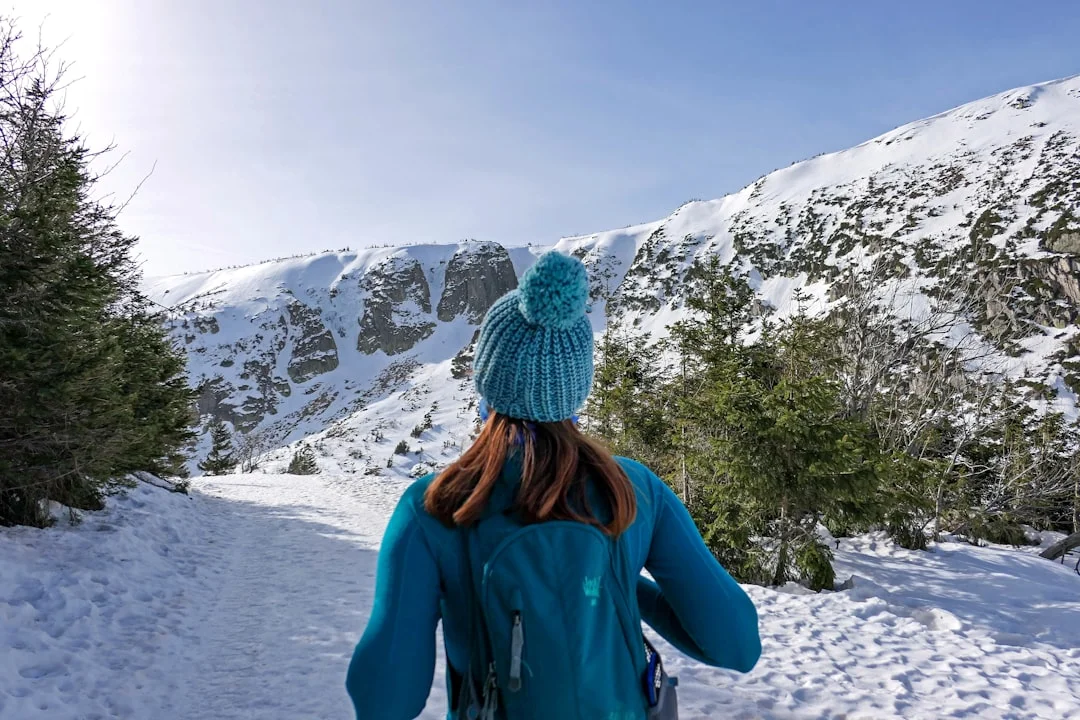
The descent into the glen felt like entering another world. The forest went quiet. The creek, mostly frozen but still gurgling beneath ice bridges, provided the only soundtrack. Each waterfall appeared through the trees like a frozen sculpture gallery. Ozone Falls, a curtain of ice. Huron Falls, icicles hanging from every ledge.
At Ganoga Falls, I stopped for thirty minutes. The 94-foot drop had frozen into a single massive column with chambers and hollows visible through the translucent ice. Aqua-green at the center, white at the edges. The water still flowing behind the ice created an eerie echo in the frozen chamber.
The ascent through Ganoga Glen proved harder than the descent. Steep stone steps, each one requiring careful crampon placement. My ice axe found use at three separate points where the trail narrowed to a ledge with exposure below. Six hours after starting, I signed out at the park office, exhausted and exhilarated.
When Not to Go: Conditions to Avoid
Skip Ricketts Glen Falls Trail when:
- Temperatures have been above freezing for 3+ consecutive days (ice becomes unstable, risk of falling ice chunks)
- Active precipitation of any kind (visibility drops, ice conditions change rapidly)
- Wind speeds exceed 20 mph (exposed sections become dangerous, windchill makes extended stops brutal)
- You are hiking alone without ice axe experience (this is not the place to learn)
- Less than 5 hours of daylight remain when you start (the V Trail takes 4 hours minimum in good conditions)
Conditions that increase risk:
- Fresh snow over ice (hides dangerous spots)
- Partial freeze followed by refreeze (creates unstable ice layers)
- Crowded conditions (groups bunching up on narrow sections)
- Weekend mornings after social media posts about peak ice (sudden crowds)
Getting There
Ricketts Glen State Park sits in northeastern Pennsylvania, spanning three counties: Columbia, Luzerne, and Sullivan.
From Philadelphia: 2.5 hours via I-476 N and I-80 W to Exit 256, then PA-487 N From Pittsburgh: 4 hours via I-80 E to Exit 256, then PA-487 N From New York City: 3 hours via I-80 W to Exit 256, then PA-487 N
Primary trailhead: Lake Rose Parking Area, off PA-118 on the north side of the park. This is where you register and begin the Falls Trail.
Alternative entry: Route 118 lot (call 570-477-5675 to register by phone). Adds mileage but offers a different starting perspective.
Guided Tour Option
Valley to Summit (VTS) has historically offered guided winter waterfall hikes with all equipment provided, including crampons, ice axe, harness, helmet, and rope. Their full-day tour covered 4.5 miles and 17 waterfalls over 5-6 hours, while the half-day option hit 4 waterfalls in 2.5-3 hours.
Important note for 2025-2026 season: Reports indicate VTS may not be running tours this winter. Contact them directly at 215-543-6171 or visit valleytosummit.com to confirm availability before planning around a guided experience.
If guided tours are unavailable, your only option is the self-guided approach described in this guide, which requires owning or renting all the technical gear yourself.
Final Thoughts
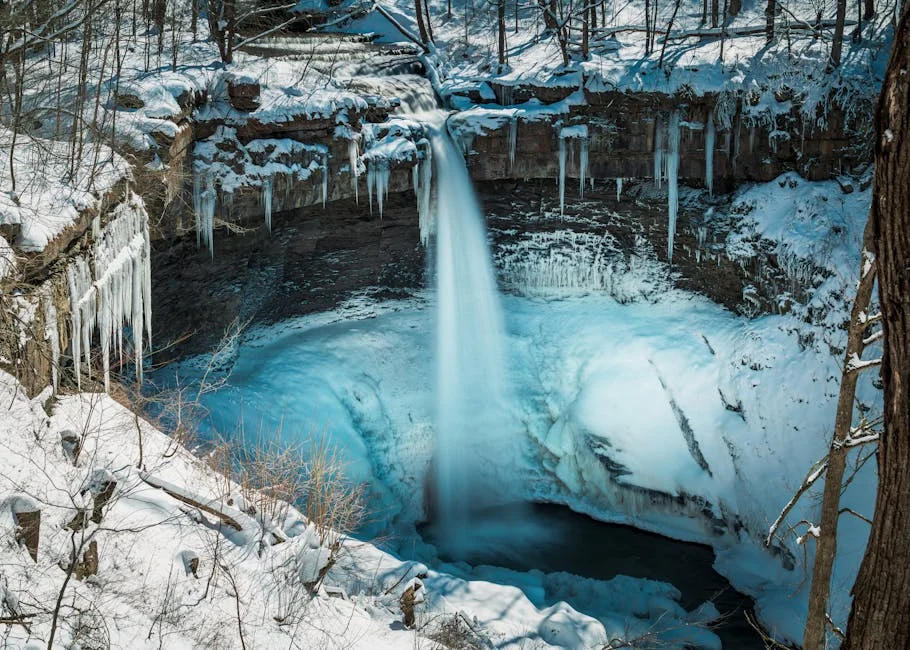
Ricketts Glen winter hiking is not a casual hike. It demands preparation, the right gear, and respect for conditions that change by the hour. But standing at the base of Ganoga Falls, watching sunlight filter through 94 feet of blue-green ice, you understand why experienced hikers return year after year.
The frozen waterfalls of Ricketts Glen rank among the most spectacular natural sights in the eastern United States. Twenty-two falls, each one transformed by winter into something that exists nowhere else. The silence of the frozen glens, broken only by the creak of shifting ice and the crunch of crampons on stone. The absolute necessity of paying attention to every step.
This is not a hike for everyone, and it should not be. But for those willing to meet the challenge, Ricketts Glen delivers an experience that stays with you long after the ice melts.
Field Decision Notes (Winter 2026)
- Best month for Ricketts Glen winter hiking: Late January through mid-February, when cold has been consistent enough for full freeze but before late-winter thaw cycles begin
- Gear threshold: When any forecast shows temps above 35°F in the next 48 hours, ice stability becomes questionable. Postpone if possible.
- Crampons vs microspikes: Park requires crampons. Microspikes will not pass gear check. Do not attempt to argue this point.
- Conditions where risk increases significantly: Partial thaw/refreeze cycles, fresh snow masking ice, temperatures swinging 20+ degrees within 24 hours
- Common mistakes: Underestimating time (plan 6+ hours for full loop), starting too late (be at registration by 8 AM), bringing insufficient water (carry 2-3 liters), wearing cotton layers (hypothermia risk when wet)
- My recommendation for first-timers: Do the V Trail route on a weekday, start at 8 AM, budget 5 hours, and bring someone experienced if possible. Save the full loop for your second visit.
References
Official Sources:
- Enjoy the Winter at Ricketts Glen State Park – Pennsylvania DCNR
Trail and Tour Information:
- Waterfall Ice Hiking at Ricketts Glen State Park – Discover NEPA
- Winter Ice Hiking Adventure at Ricketts Glen – Heart of PA Tourism
Trip Reports and Guides:
- Frozen Waterfalls at Ricketts Glen State Park – UncoveringPA
- Ricketts Glen State Park Trip Report – The Mountain Path
- Frozen Waterfalls in PA – 7 Gorgeous Winter Hikes – Gant News