
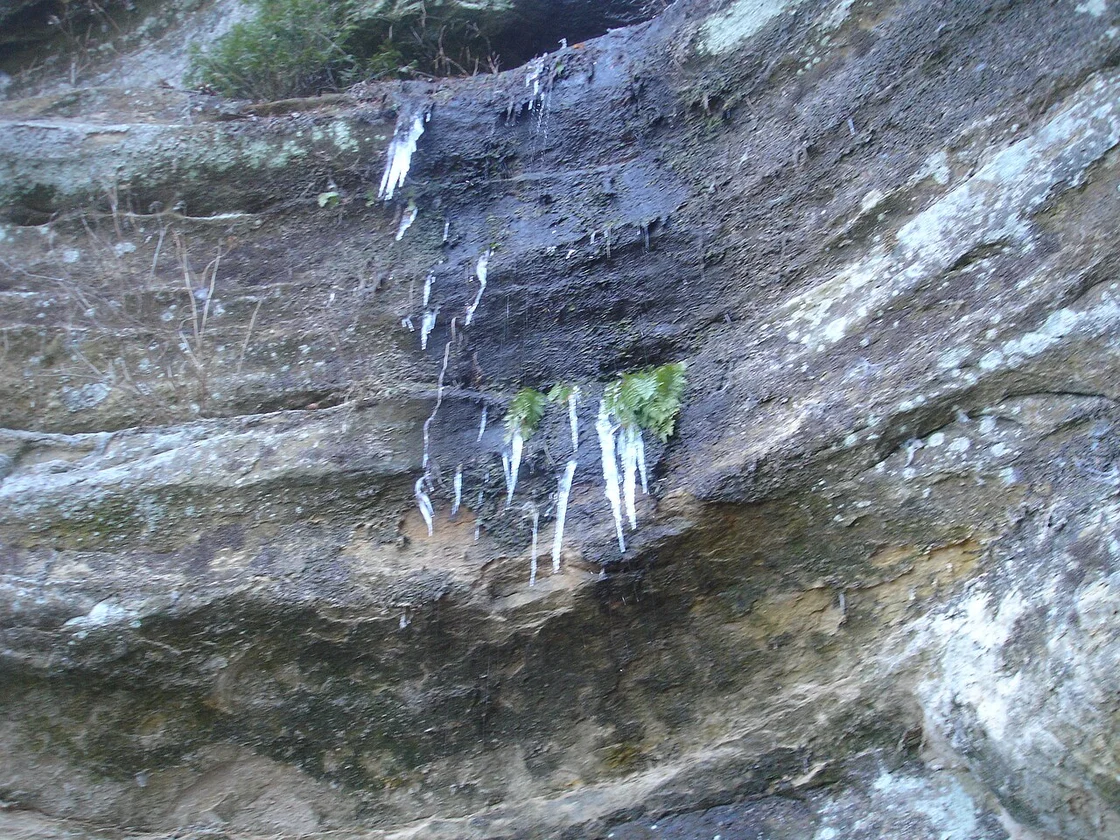
Starved Rock winter hiking frozen waterfalls draw thousands of visitors each January and February to this Illinois state park. If you’re planning to explore these spectacular ice formations, this canyon-by-canyon guide will help you find the best trails, avoid the crowds, and capture stunning winter photography.
Scope: This guide focuses specifically on winter hiking to see frozen waterfalls within Starved Rock State Park’s canyon system (December-February). It does NOT cover summer hiking, camping facilities, or the adjacent Matthiessen State Park in detail (though comparisons are provided).
Quick Decision Summary (Winter 2025-2026)
- Best conditions for frozen waterfalls: After 5+ consecutive days below 25°F; January-February offers the most reliable ice formations
- When to skip this trip: If temperatures exceeded 40°F in the prior 48 hours (ice melt creates treacherous, slushy conditions worse than pure ice)
- Who this is for: Photographers seeking dramatic ice shots, families wanting accessible winter adventure, and hikers from flat-terrain states who want winter beauty without mountain experience
- Better alternatives if: You want solitude, head to Matthiessen State Park (adjacent, far less crowded); if you want warmer conditions, wait until late February or early March
Winter 2025-2026 Conditions Update
This winter has delivered excellent ice formation conditions across the Midwest. Based on January 2025 reports from Shaw Local News, the waterfalls in Wildcat Canyon reached a full 80-foot frozen cascade by late January, attracting ice climbers from across the region. The park’s 18 canyons have seen consistent freeze cycles, making this an exceptional season for ice fall viewing.
Key observations for 2025-2026:
- Ice formations reached peak thickness by mid-January, earlier than the 2024-2025 season
- Weekend parking has been filling by 9:30 AM (earlier than typical 10 AM threshold)
- Eastern canyons remain significantly less crowded than trails near the lodge
Why Choose Starved Rock Over Other Midwest Winter Destinations
When my hiking partner suggested driving two hours from Chicago in January to see “frozen waterfalls in Illinois,” I was skeptical. Illinois is flat. Illinois has no mountains. How impressive could these waterfalls possibly be?
I was wrong.
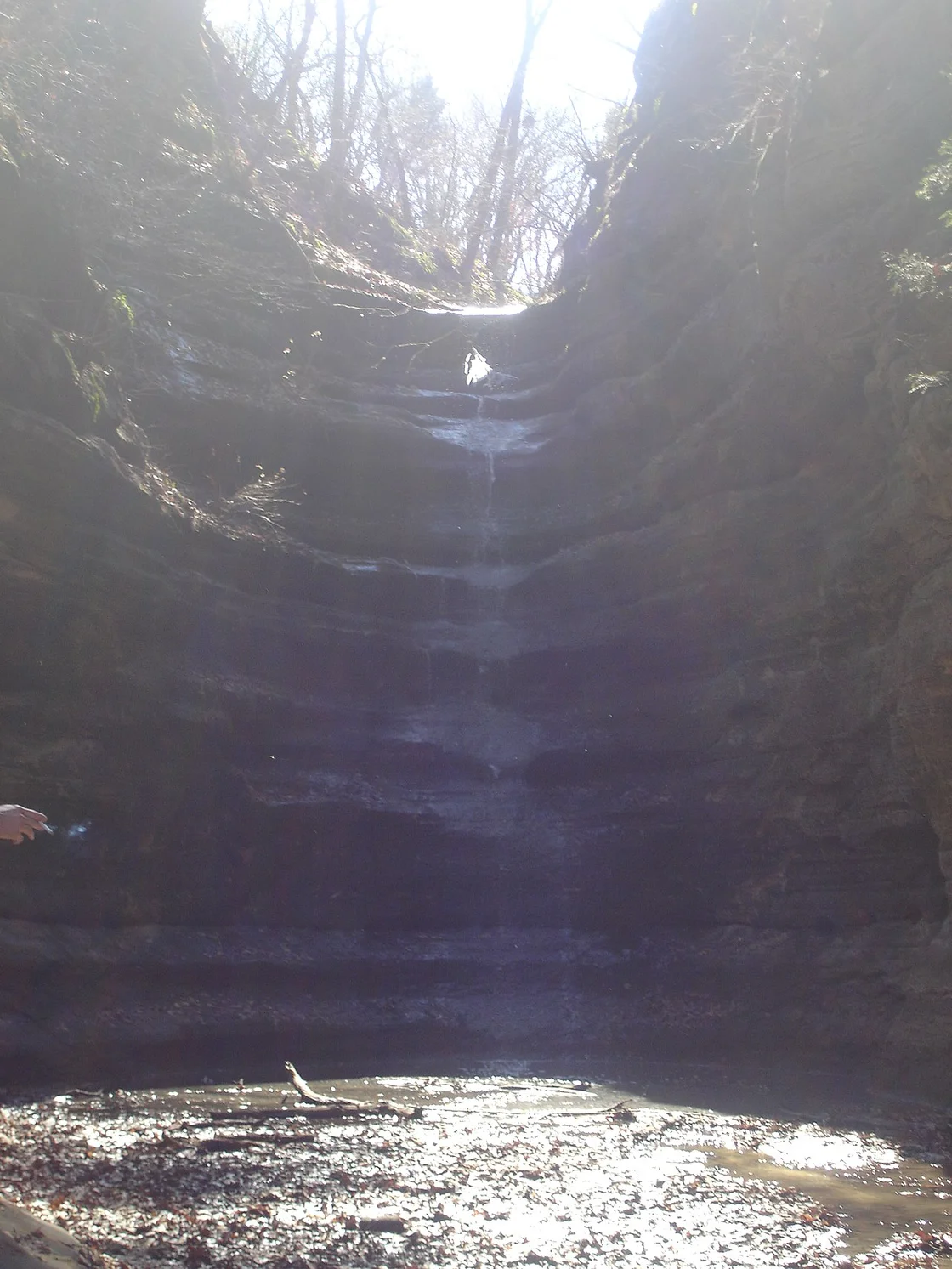
Starved Rock State Park exists because of a geological accident. About 17,000 years ago, torrential floodwaters from melting glaciers carved 18 dramatic sandstone canyons along the Illinois River. These canyons now contain waterfalls ranging from 15 to 80 feet, and when temperatures drop, they transform into towering curtains of ice, frozen windows, and teal-tinted pillars that rival anything you’d find in Colorado.
Compared to Matthiessen State Park (adjacent, less than 5 minutes away): Matthiessen offers similar frozen waterfall viewing with significantly fewer crowds. If solitude is your priority, start there. However, Starved Rock’s LaSalle Canyon has the most photographed ice formations in the Midwest, and the historic 1930s CCC-built lodge offers a warming spot mid-hike. My recommendation: visit both in a single trip, but start at Starved Rock before 9 AM, then escape to Matthiessen when the parking lots fill.
Compared to Giant City State Park (southern Illinois): Giant City offers milder winter temperatures and interesting sandstone formations but lacks the dramatic frozen waterfall displays. If you’re specifically chasing ice, Starved Rock winter hiking frozen waterfalls deliver the best experience in Illinois.
My choice logic: For a first-time winter waterfall experience in the Midwest, Starved Rock delivers the highest reward-to-effort ratio. Thirteen miles of trails means options for every fitness level, and the canyon-by-canyon variety keeps things interesting.
The Canyon-by-Canyon Guide: Where to Find the Best Ice
Not all canyons are created equal. After consulting local hiking experts and cross-referencing multiple trip reports, here’s my breakdown of the five best canyons for Starved Rock winter hiking frozen waterfalls, ranked by overall experience rather than just ice volume.
Ottawa Canyon: The Hidden Gem (8.3/10)
Distance: 0.5 miles from Route 71 parking (7.8 miles from Visitor Center) Difficulty: Easy Best for: Photographers, solitude seekers, those short on time
Ottawa Canyon earned the highest rating from experienced Starved Rock hikers, and the reason is simple: it offers the tallest, cleanest ice formations with the shortest walk and the fewest crowds. While everyone else battles for parking near the lodge, you can access Ottawa Canyon via a quick, mostly flat trail from the Route 71 parking area on the park’s eastern edge.
The ice here forms in massive, sparkly clean columns. One local described them as “looking like they were grown in a laboratory.” The eastern orientation means these formations catch morning light beautifully. If you only have two hours and want the best ice photography, start here.
LaSalle Canyon: The Icon (7.6/10)
Distance: 2.6 miles out-and-back from Visitor Center Difficulty: Moderate (steep descent into canyon) Best for: Instagram-worthy shots, experiencing the “must-see” canyon
LaSalle Canyon is the undisputed star of Starved Rock in winter. The waterfall freezes into a colossal curtain of ice, often with whimsical features: frozen window frames, staggered pillars with tints of teal and frosty blue, and ice formations that seem to defy gravity.
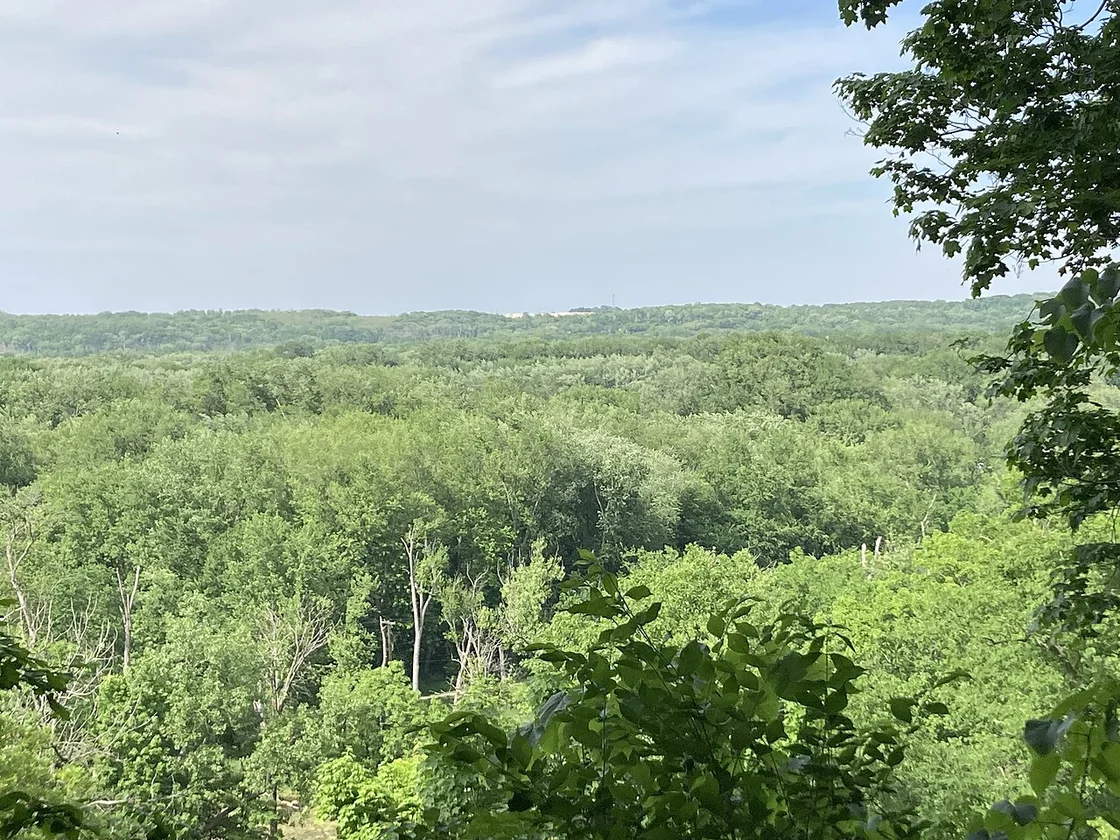
The trade-off is crowds. On winter weekends, you’ll share the canyon floor with dozens of other photographers. The trail can also be particularly icy on the descent, making traction devices non-negotiable. I’d rate the ice formations themselves a 9/10, but the crowds bring the overall experience down.
Winter tip: The 20-foot waterfall drops into a small pond that often freezes solid. Stand at the canyon’s edge rather than crowding the center for better compositions and fewer people in your shots.
Wildcat Canyon: The Giant (7.0/10)
Distance: 2 miles round trip from Visitor Center Difficulty: Easy Best for: Seeing the tallest waterfall, watching ice climbers
Wildcat Canyon contains the park’s tallest waterfall, plunging over 100 feet with an 80-foot frozen section in winter. It’s the most visited canyon precisely because it’s easy to reach and delivers dramatic visuals without much hiking.
What makes Wildcat special in winter is the ice climbing. The park permits ice climbing from 7 AM to dusk in four designated canyons, and Wildcat is the most popular. Even if you’re not climbing yourself, watching experienced climbers scale the frozen cascade is mesmerizing. They’re required to sign in and out at the Park Maintenance Building, so you know the activity is monitored.
The ice here zig-zags down the canyon wall, forming a narrow, intricate structure rather than a single curtain. It’s visually different from LaSalle and worth seeing for the contrast.
St. Louis Canyon: The Outlier (5.6/10)
Distance: 3 miles from Visitor Center, or 0.75 miles from nearest lot Difficulty: Moderate Best for: Solitude, year-round waterfall (spring-fed)
St. Louis Canyon offers something unique: it’s the only canyon with a spring-fed waterfall that flows year-round. This creates more reliable ice formation in early winter before other canyons have frozen. However, the constant water seepage also creates muddy discoloration on the ice, which some photographers find less appealing.
The canyon floor is notoriously slick. Even with microspikes, I felt less stable here than anywhere else in the park. If you’re bringing beginners or anyone uncomfortable on ice, consider skipping St. Louis in favor of Ottawa or French Canyon.
French Canyon: The Quick Hit (5.3/10)
Distance: 0.8 miles round trip from Visitor Center Difficulty: Easy access, challenging final section Best for: Time-constrained visitors, dramatic slot canyon experience
French Canyon is a narrow slot canyon with a 45-foot waterfall that often freezes completely, creating a walkable ice tunnel in peak winter conditions. It’s the easiest canyon to reach from the lodge, making it the default choice for many visitors.
The lower rating reflects two issues: first, the proximity to the lodge means heavy foot traffic. Second, the final section into the canyon requires navigating uneven, often icy terrain that can be challenging for beginners. The ice formations themselves are impressive, but the overall experience doesn’t match Ottawa or LaSalle.
What You Must Bring: Essential Gear for Starved Rock Winter Hiking
I cannot stress this enough: microspikes or YakTrax traction devices are essential. Hiking boots alone are completely insufficient for Starved Rock winter hiking frozen waterfalls expeditions.
The trails are not shoveled, plowed, or salted. Heavy foot traffic compacts snow into a slick, polished ice surface. The stairs connecting trail sections are often extremely slippery and angled. During my January visit, I watched three people fall within an hour near French Canyon, all wearing standard hiking boots.
Essential gear:
- Microspikes or YakTrax (this is the single most important piece of equipment)
- Waterproof hiking boots
- Thermal/insulating layers
- Warm gloves and hat
Highly recommended:
- Trekking poles for stability (especially on stairs and canyon descents)
- Extra set of dry clothes (you will get wet if you venture into canyons)
- Binoculars for eagle watching (winter is prime bald eagle season along the Illinois River)
- Camera with fully charged batteries (cold drains batteries fast)
The Hidden Bonus: Bald Eagle Watching
Winter at Starved Rock isn’t just about frozen waterfalls. The Illinois River below the park remains partially open thanks to the nearby hydroelectric dam, and this open water attracts bald eagles who come to hunt fish.
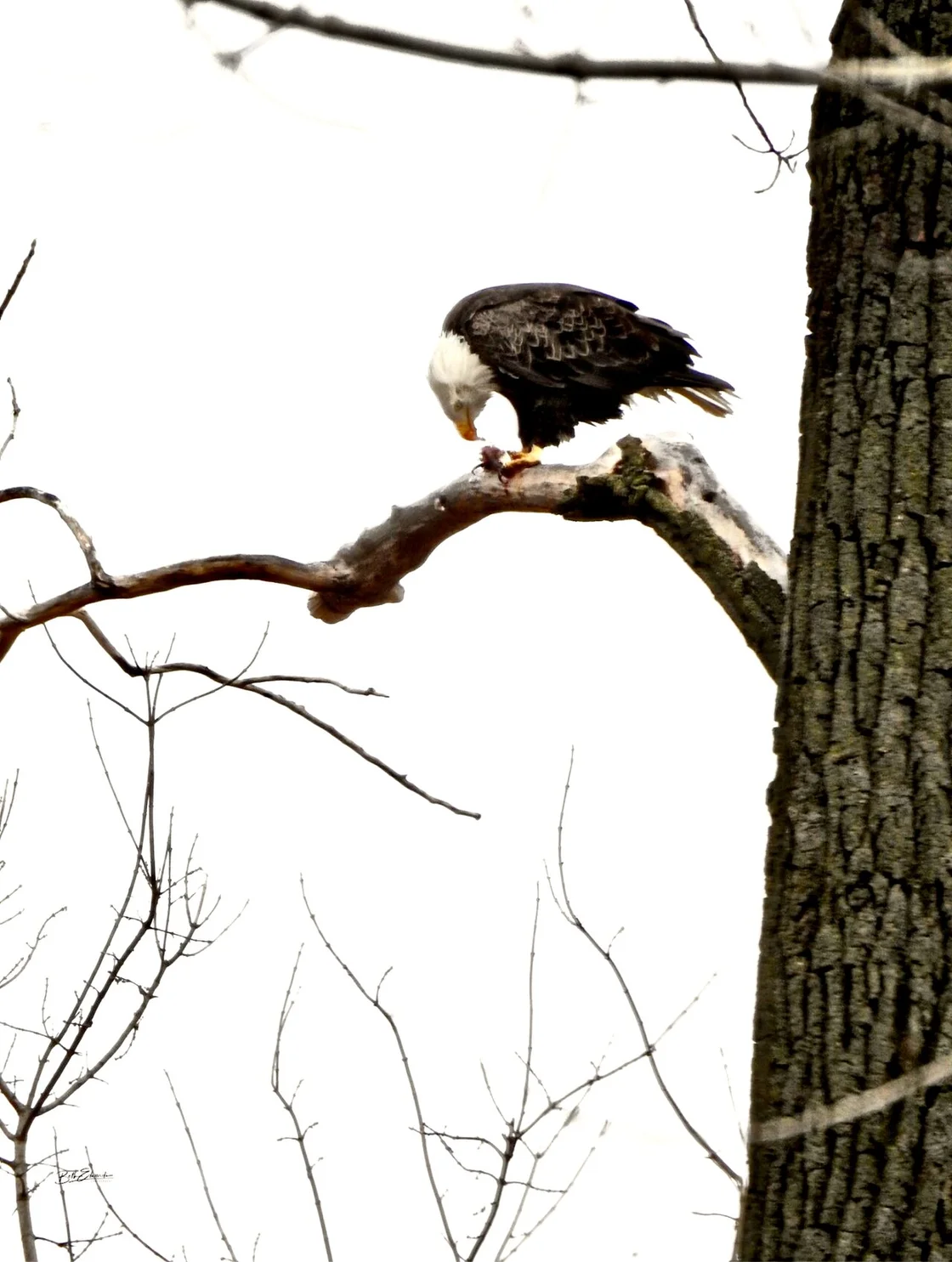
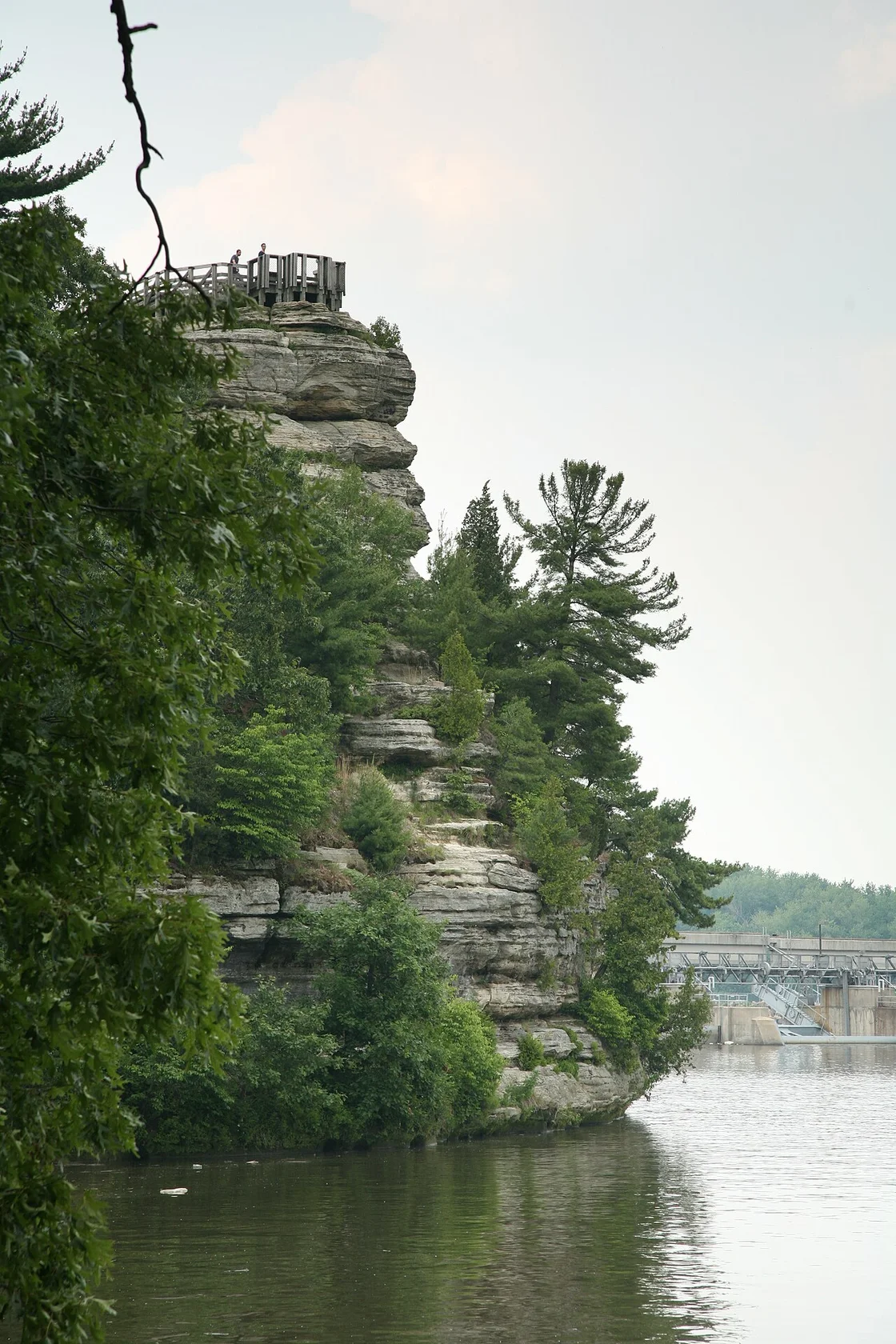
From the top of Starved Rock itself (the actual rock formation the park is named after), you can scan the river valley for soaring eagles. January and February are peak viewing months. I spotted three eagles during a single 20-minute rest stop, circling above the river looking for fish.
Bring binoculars. The eagles are often distant, and without magnification, they’re just dark specks against the winter sky.
When NOT to Go: Conditions That Ruin the Experience
Understanding when to stay home is as important as knowing when to go.
Skip Starved Rock winter hiking when:
- Temperatures exceeded 40°F in the prior 48 hours: Melting ice creates the worst possible conditions. You get slushy trails, unstable ice formations, and increased fall risk. Pure ice is actually easier to navigate than half-melted slush.
- Winter weekends after 10 AM: Parking fills early, and the main canyons become uncomfortably crowded. If you can only visit on a weekend, arrive by 8 AM or plan a weekday trip.
- During active snowfall over 6 inches: Fresh deep snow obscures trail markings and can make the canyon descents dangerous. Wait 1-2 days after major storms for trails to be packed down.
- If you lack traction devices: Seriously. This isn’t optional equipment. Without microspikes, you’re risking injury and slowing down everyone behind you on the icy stairs.
The ideal window: Weekday mornings after 5+ consecutive days below 25°F, with no warming trend in the forecast.
A January Morning at LaSalle Canyon
I arrived at the Visitor Center parking lot at 7:45 AM on a Thursday in late January. The temperature read 18°F. Fourteen cars were already there.
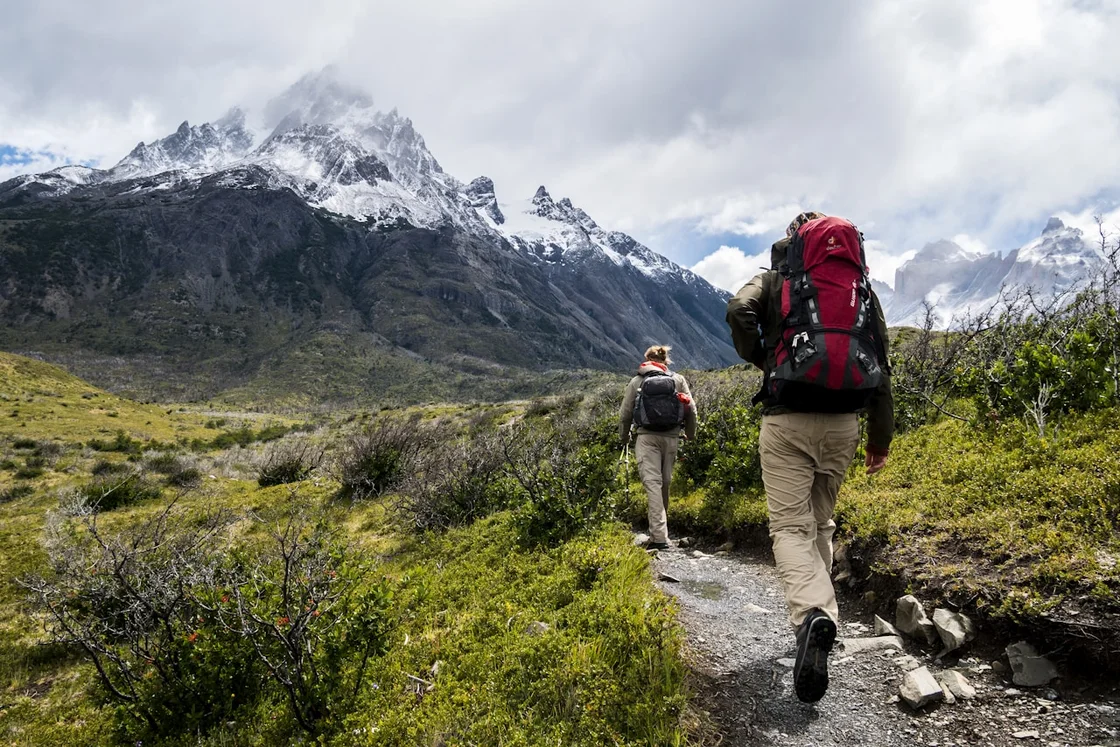
The walk to LaSalle Canyon took about 40 minutes, following well-marked trails through bare winter forest. Snow squeaked underfoot, the satisfying crunch of packed powder. My microspikes bit into the ice-glazed sections without hesitation.
The descent into LaSalle Canyon is where the magic happens. The trail drops steeply, and suddenly the frozen waterfall appears through the trees, a massive blue-white curtain spanning the entire canyon head. The scale is difficult to convey in photographs. Standing at the base, neck craned upward, I understood why people drive hours to see this.
The ice had formed in layers, with darker blue sections where water had frozen more slowly and lighter, almost white areas of rapid freeze. Near the edges, I could see the staggered pillars mentioned in trip reports, columns of ice that looked like frozen organ pipes.
I stayed for nearly an hour, waiting for the morning light to shift and illuminate different sections of the frozen cascade. By the time I hiked out, around 10 AM, the parking lot was overflowing and groups were streaming down the trail. That early start made all the difference.
Field Decision Notes (Winter 2026)
- Best month: Late January to mid-February offers the most reliable frozen waterfall conditions. December can be hit-or-miss depending on early-season temperatures, and by March, thaw cycles become more frequent.
- Temperature threshold for gear change: When trail ice becomes polished (typically after 3+ days of foot traffic post-snowfall), microspikes outperform YakTrax. Microspikes have more aggressive metal traction; YakTrax work better on fresh, textured snow.
- Increased risk conditions: Canyon floors after any rain or temperatures above 35°F become significantly more dangerous due to water seepage. The sandstone absorbs water and creates slick patches even where no ice is visible.
- Canyon freeze order: French Canyon and Ottawa Canyon typically freeze first (shaded, narrow). LaSalle Canyon freezes mid-season. Wildcat Canyon, with its larger exposure, freezes last and thaws first.
- Common mistakes to avoid:
- Starting too late (arrive before 9 AM on weekends, before 10 AM on weekdays)
- Underestimating the canyon descents (bring trekking poles)
- Forgetting extra batteries (cold kills camera batteries within an hour)
- Skipping the eastern canyons (Route 71 parking provides easier, less crowded access)
- First-timer recommendation: Start at Ottawa Canyon via Route 71 parking, then drive to the main Visitor Center area for LaSalle Canyon. This sequence gives you the best ice with the fewest people, followed by the most iconic canyon. Allow 4-5 hours total.
Safety Warnings
The frozen waterfalls are beautiful, but they’re not playground equipment.
- NEVER climb on frozen waterfalls (unless you’re a trained ice climber with proper gear in designated areas). The ice is inherently unstable and can collapse without warning.
- Stay on marked trails. Hidden ice patches and unstable ledges lurk off-trail, especially near canyon edges.
- Plan your hike for ample daylight. Winter days are short, and being caught in a canyon after sunset is dangerous. Sunset in late January is around 5 PM.
- Hike with a companion when possible. Cell service is unreliable in the canyons.
- Check current conditions before visiting. The park website and Visitor Center (815-667-4726) provide updated trail status and closure information.
Final Thoughts on Starved Rock Winter Hiking
Starved Rock State Park proves that you don’t need mountains to find spectacular winter hiking. Two hours from Chicago, in the flattest state in the Midwest, 18 canyons transform into a frozen wonderland every January and February.
The key is timing: arrive early, bring proper traction, and choose your canyons strategically. Skip the crowds at French Canyon and discover the pristine ice of Ottawa. Witness the iconic curtain at LaSalle before the masses arrive. Watch eagles soar above the Illinois River.
For those of us who live in flat-terrain states, Starved Rock winter hiking frozen waterfalls offer a reminder that adventure doesn’t require a plane ticket. Sometimes the best winter hiking is in your own backyard, waiting to be discovered under a curtain of blue ice.
References
Official Sources:
- Starved Rock State Park Winter Hiking Conditions – State Parks Info
Trail Guides:
- Winter Day Hike at Starved Rock – Starved Rock Hikers
- 5 Easy & Magical Ice Fall Trails in Starved Rock – Reckless Roaming
Regional Coverage:
- Illinois Winter Hiking: Exploring Starved Rock and Matthiessen State Parks – Go World Travel
- The Frozen Waterfalls at Starved Rock State Park in Illinois – Only In Your State
Current Conditions:
- Photos: Ice climbers scale frozen waterfall at Starved Rock – Shaw Local News (January 2025)