Field to Discovery
Winter Camping Sleep System Checklist
Decide whether to upgrade your sleeping pad or bag first, check the overnight forecast, and make a backup plan before a cold night at camp.
Pad first if it loses air or has inadequate verified insulation and bag suitability is separately supported. Bag first if the forecast low is colder than documented bag Comfort and pad insulation is independently supported. Evaluate both if both fall short, either is unverified, or relevant whole-system experience is missing. A first fix is not permission to go.
Should I upgrade my sleeping pad or sleeping bag first?
1. Check both labels and the actual setup
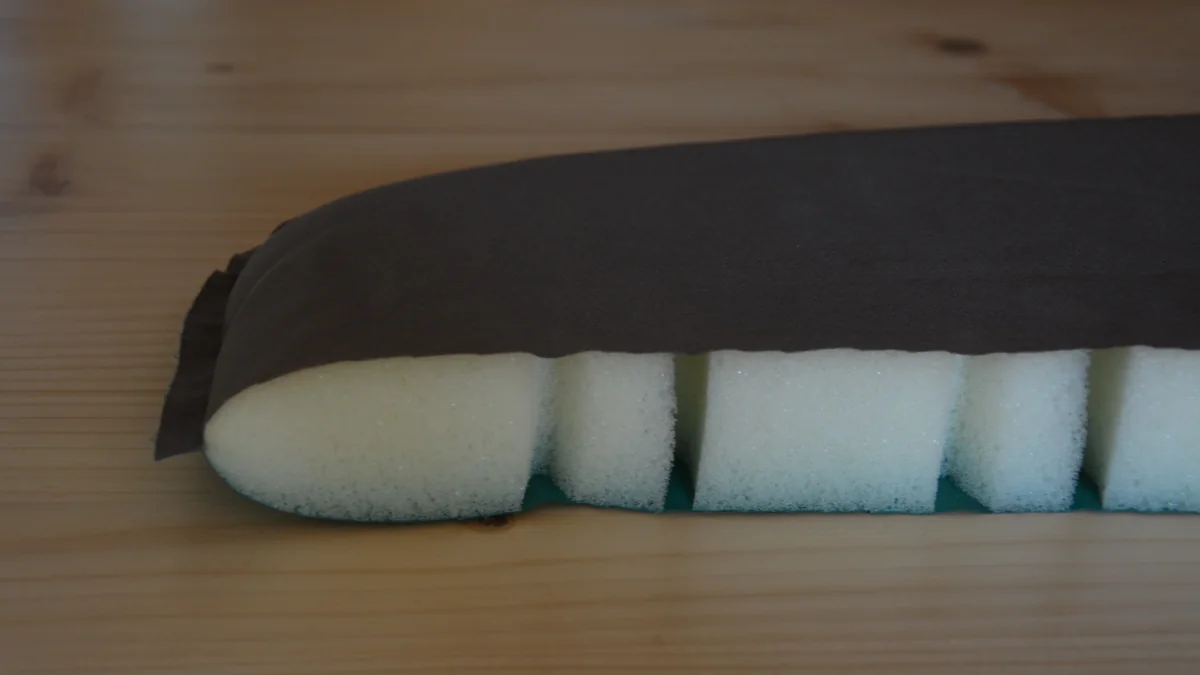
- Pad: Check for damage, air loss, full-length coverage and a documented ASTM-tested R-value. ASTM F3340 measures thermal resistance between hot and cold plates. Higher R means greater resistance in that test, not an outdoor temperature rating. Posture, compression and exposed edges can change real performance.
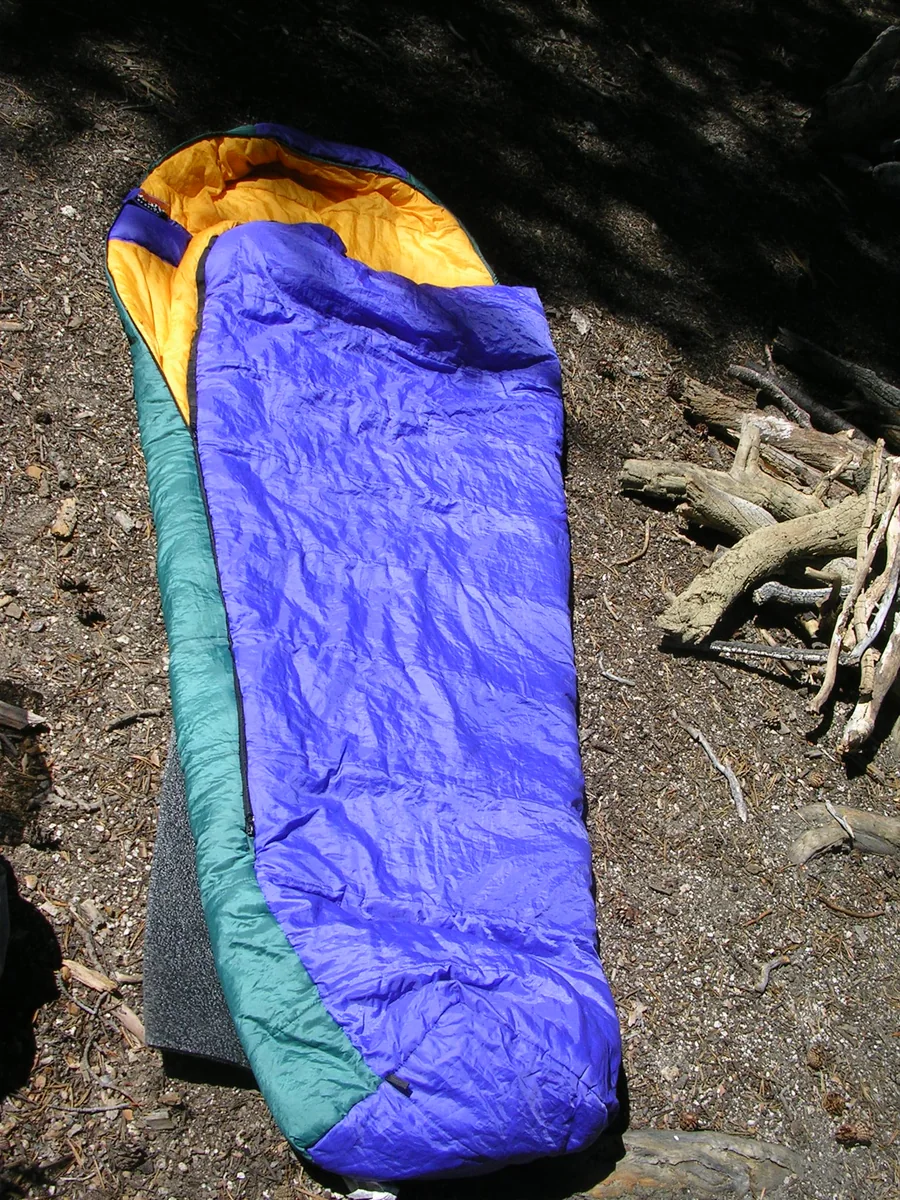
- Bag: Verify the exact model’s Comfort label; do not substitute Lower Limit or Extreme. Sea to Summit’s rating explanation distinguishes Comfort and Lower Limit reference sleepers. Extreme concerns survival risk, not normal overnight planning. Testing uses a heated manikin, clothing and an insulated pad; weak underbody insulation can undermine expected bag performance.
- Whole setup: Check bag fit, movement, whether you sleep cold, and prior experience with this combination in comparable conditions. A cot supports you; a tent provides shelter. Neither establishes adequate sleep-system insulation, including a four-season tent.
2. Choose a conditional first fix
- Pad first: Repair or replace a damaged or leaking pad, or address documented insulation inadequacy, only with separately supported bag suitability. An unrated pad leaves uncertainty: evaluate both before deciding what to buy.
- Bag first: With independently supported pad insulation, a forecast colder than bag Comfort identifies a bag shortfall. Comfort close to or colder than the forecast is only a starting point: allow margin for colder conditions and individual variation, then check the whole system.
- Both or unknown: Verify missing specifications and relevant setup experience before prioritizing a purchase. REI’s pad guidance explains that foam beneath an insulated inflatable adds insulation, puncture protection and backup. Sum stated R-values only over overlapping coverage; that estimate is neither a temperature rating nor assurance that foam alone suffices.
3. Apply the checks: two hypothetical examples
- From 34°F into the 20s: Suppose the forecast is 25°F and bag Comfort is 32°F. If pad insulation is independently verified for comparable cold ground, the bag is the known shortfall. With an unverified pad, evaluate both. Comfort at 34°F does not validate this colder setup.
- Considering 5°F on a limited budget: Missing specifications or relevant whole-system experience mean verify both or choose another plan. One purchase cannot resolve that uncertainty; no example rating authorizes a trip.
4. Fill in the plan before committing
Mount Rainier’s winter guidance supports checking changing weather, staying dry and planning an exit. It is seasonal guidance, not today’s forecast or access report. Check your destination’s latest forecast and official alerts for your dates.
- Dates/location: ____ Forecast low: ____ Checked at: ____
- Pad model/R-value/coverage/condition: ____ Bag Comfort/label verified: ____
- Prior comparable whole-system test: ____ Chosen branch/unresolved checks: ____
- Easy exit route/transport: ____ Confirmed warmer fallback: ____
- Cancel or change plans if: ____ Recheck time: ____
If the setup remains unproven, delay or choose a warmer date or a warmer, better-tested setup with an easy exit.