
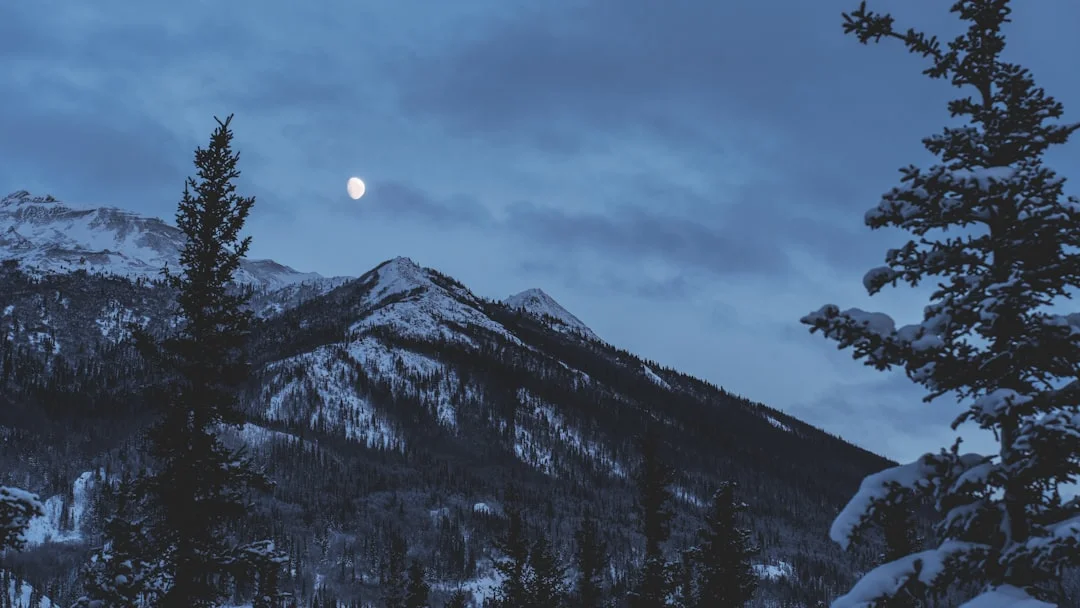
A winter full moon hike at Flaming Gorge sounds romantic until you check the forecast. Eight degrees Fahrenheit. My friend Marcus said I was out of my mind. My wife said she wanted photographic proof that I actually did this.
I went anyway. Here is what happened when the canyon stopped flaming.
Scope: This guide covers only the Canyon Rim Trail section from the Red Canyon Visitor Center parking area. I have not done the full 9.5-mile Red Canyon Rim Trail in winter, and I will not pretend to know what that experience is like at night.
Quick Decision Summary (Winter 2025-2026)
Go if: Clear skies, full moon (or one night either side), temperatures above 5F, wind under 15 mph, and you have already scouted this trail in daylight.
Skip if: Overcast forecast, new to night hiking, hiking alone, or you do not own genuine cold-weather gear. The canyon rim is exposed and unforgiving.
Best for: Intermediate hikers who want to see something most Flaming Gorge visitors never experience.
Better alternative if: You want a guided experience with others—Bryce Canyon runs ranger-led full moon programs. If you need predictable conditions, wait for spring.
Why I Almost Skipped This Winter Full Moon Hike
February 1, 2026. The full Snow Moon was rising at 5:47 PM according to my astronomy app. Sunset at 5:52 PM. That five-minute overlap meant I could potentially watch the moon rise over the eastern horizon while the last light faded in the west.
The problem was everything else.
My original plan had been to do this winter full moon hike at Flaming Gorge in January. Then a winter storm dropped 14 inches of snow on the Uinta Mountains and I chickened out. I told myself I was being smart. Maybe I was just being scared.
February’s forecast looked cleaner. High of 28F, low of 6F, winds 5-10 mph. The access road to Red Canyon had been plowed according to the Forest Service hotline. No recent snow meant the trail should be packed down from snowshoers.
Marcus pointed out that “should be” and “will be” are different things. He was not wrong. But I had been reading about this canyon since November, and the idea of seeing those 1,400-foot red walls turn silver under moonlight had lodged in my brain like a splinter I could not remove.
When Major John Wesley Powell first saw these canyon walls in 1869, they were so brilliant in the afternoon sun that he thought they were on fire. He named the place Flaming Gorge. But nobody talks about what happens when you take away the flame.
Getting There: Red Canyon Trailhead Access
The drive from Salt Lake City takes about three hours. I left at 1 PM, which gave me plenty of buffer time for the unexpected. The unexpected turned out to be a bathroom stop in Evanston, Wyoming that turned into a 40-minute gear reorganization in the parking lot of a gas station while a teenager watched me through the window like I was a nature documentary.
I reached the Red Canyon Visitor Center parking area at 4:15 PM. The visitor center itself was closed for the season—it only operates mid-May through mid-September—but the parking lot was plowed and empty except for one other vehicle, a white pickup truck with Wyoming plates.
The temperature was 19F. I stood outside my car and let my eyes adjust to the fading afternoon light. REI’s advice is to give yourself 20-30 minutes for dark adaptation before a night hike. I had about 90 minutes until true darkness, but I wanted to start the adjustment process early.
I ate a peanut butter sandwich and drank half a thermos of hot tea. Then I did something I almost never do: I sat still and did nothing for 15 minutes. No phone. No music. Just the sound of wind moving through ponderosa pines and the occasional crack of a branch somewhere in the forest.
The Layering Mistake That Cost Me Two Days of Numb Fingers
My clothing system was mostly right. Merino wool base layer, synthetic puffy mid-layer, hardshell outer layer. Insulated pants. Two pairs of wool socks. Balaclava. The works.
What I got wrong was my hands.
I brought my usual winter hiking gloves—midweight fleece with leather palms—plus a pair of liner gloves as backup. This was fine for moving. It was not fine for standing still at an overlook for 20 minutes while the moon climbed.
By the time I reached the first major viewpoint at 0.8 miles, my fingers were already protesting. I had stopped to photograph the moon rising, and in the time it took to remove my outer gloves, pull out my phone, fumble with the camera app, and take a dozen shots, my hands went from cold to painful.
I should have brought mittens with removable finger sections. I knew this. I had read about it in at least three different cold-weather hiking guides. But I convinced myself that gloves would be “good enough” because I did not want to spend $80 on new mittens for one hike.
Stupid. The mittens would have been worth it.
Night Hiking the Canyon Rim Trail Under Moonlight
Canyon Rim Trail is marked with blue diamond blazes nailed to ponderosa pines. During the day, these markers are almost comically obvious. At twilight, they become the only thing that matters.
The first mile follows the rim with minimal tree cover. You can see the canyon opening up on your left, the reservoir 1,700 feet below catching the last orange light of sunset. This section is wide and well-defined. Even in fading light, I never questioned where the trail went.
Past the first mile, the path turns away from the rim and enters a stretch of meadow and forest. This is where I started second-guessing my decision to come alone.
The thing about night hiking that nobody really prepares you for is how loud your own footsteps become. During the day, you barely notice the crunch of snow under boots. At dusk, in silence so complete it feels like pressure against your eardrums, every step sounds like you are announcing your presence to the entire wilderness.
I found myself walking more quietly. Placing my feet more carefully. Not because I needed to—the trail was obvious—but because the atmosphere demanded it.
The Moment Everything Changed on My Flaming Gorge Night Hike
At approximately 5:50 PM, I emerged from the trees onto a small overlook I had not known existed. The trail guide mentioned “several viewpoints along the rim” but had not specified locations. I had been expecting the major overlooks. I was not expecting this.
The moon was fully above the horizon now, huge and impossibly bright against the deep blue of post-sunset sky. Below me, the canyon walls had stopped being red.
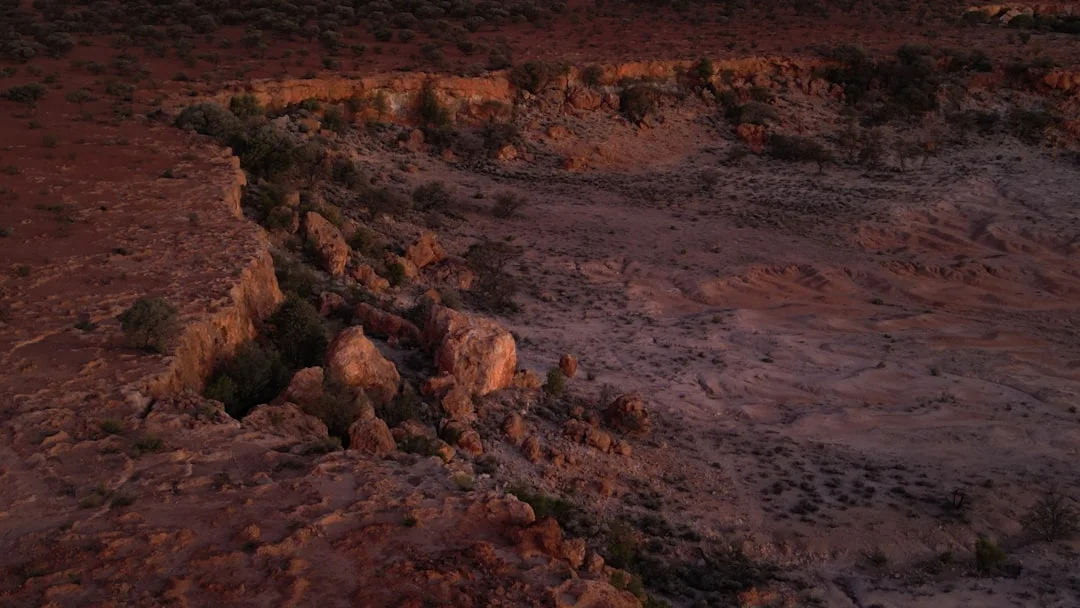
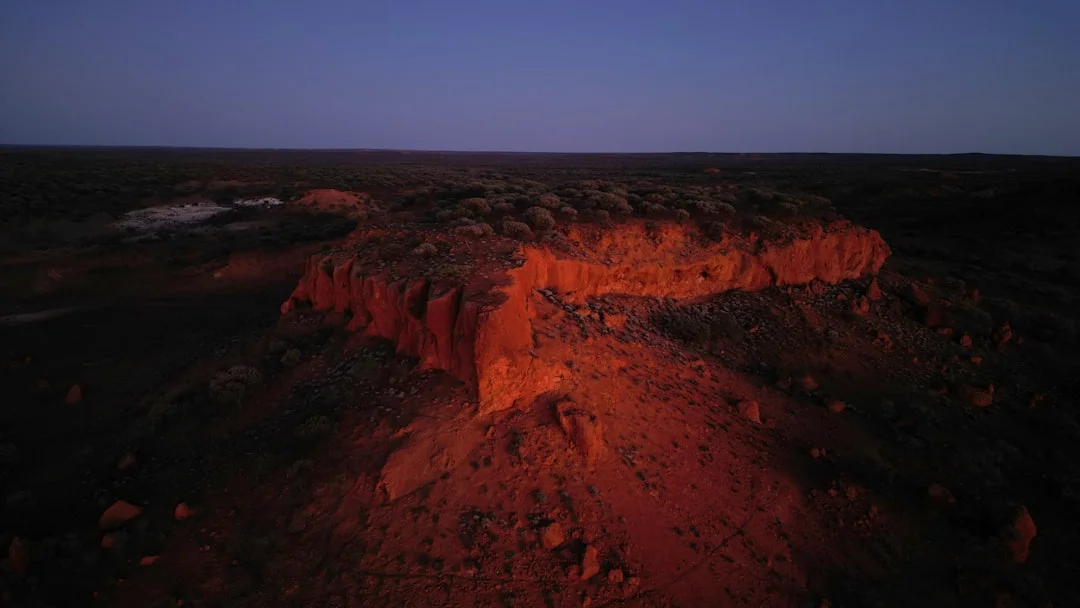
I do not know how else to describe it. The rocks that had been burning orange an hour ago were now the color of old pewter. The snow on the opposite rim looked like spilled mercury. The reservoir, visible in fragments through gaps in the terrain, reflected the moonlight in a way that made it impossible to tell where water ended and shore began.
I stood there for probably ten minutes. My phone stayed in my pocket because I knew the photos would not capture it. The cold crept in through my inadequate gloves. I did not care.
This is what Powell never saw. He came in summer, in daylight, and he saw fire. I came in winter, at moonrise, and I saw silver. Same canyon. Completely different place.
Skull Creek Turnaround: Knowing When to Head Back
I made it to Skull Creek footbridge, about 2.5 miles from the trailhead. This is where Visit Utah suggests turning around for a shorter hike, and I took their advice. The full trail continues another 2 miles to Greendale Overlook on Highway 44, but I was already pushing my cold-weather comfort zone and did not want to discover my limits at the far end of a 4.5-mile trail in the dark.
The return hike was different in ways I had not anticipated.
When you hike a trail outbound, you are moving toward something. The anticipation carries you forward. When you turn around, especially at night, the psychology shifts. You are no longer exploring. You are surviving.
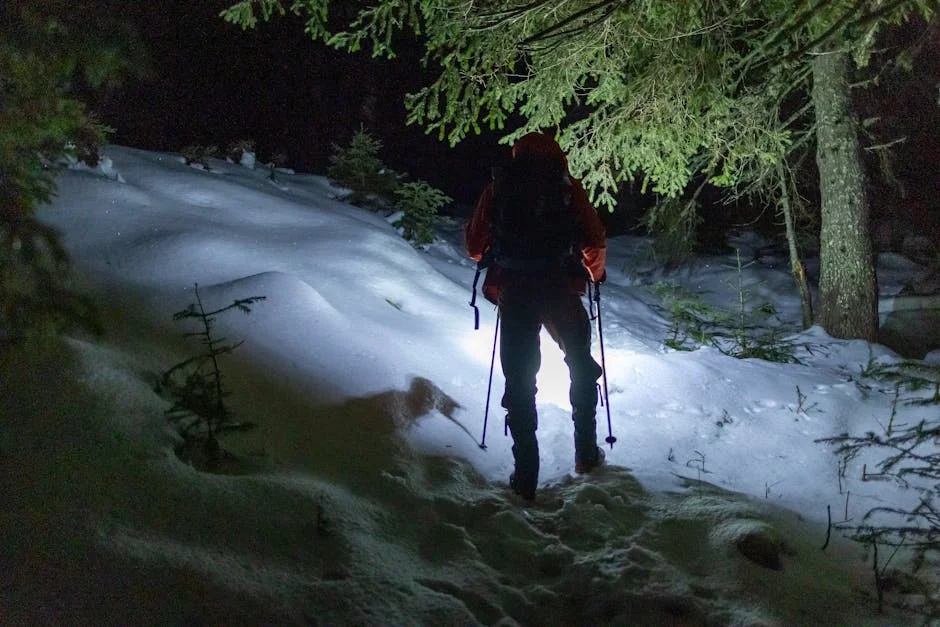
That sounds dramatic, and it probably is. I was never in actual danger. The trail was clear, my headlamp worked fine (red light mode, which took some getting used to), and my body was warm enough despite my stupid glove choices. But the feeling of moving through darkness toward a destination you cannot see triggers something primitive in the brain.
I moved faster on the return. Not running, but not dawdling either. Every time I stopped to look at the canyon—and I did stop, multiple times, because the moonlit views were too good to skip—I felt the urge to keep moving.
Wildlife on the Winter Full Moon Trail
The trail guides mention bighorn sheep, deer, moose, and elk as common sightings on Canyon Rim Trail. I saw none of them.
What I heard was different. Coyotes started up about 20 minutes after sunset, somewhere across the canyon. The sound echoed off the rock walls in a way that made it impossible to gauge distance or direction. They could have been a mile away. They could have been much closer. I genuinely do not know.
I also heard something moving through the trees in the forested section. Heavy footsteps, definitely larger than a squirrel. Could have been deer. Could have been elk. Could have been my imagination processing random forest noises into a narrative. I never saw what it was.
This is the honest truth about night hiking: you hear more than you see, and your brain fills in the gaps with stories. Whether those stories are accurate is something you rarely get to confirm.
The Cold Truth: What the Numbers Do Not Tell You
I got back to my car at 7:45 PM. Total hiking time: just under three hours for roughly 5 miles. That is slow by daylight standards. At night, in winter, on unfamiliar terrain, it felt appropriate.
My hands were the problem I mentioned earlier. When I finally got into my car and cranked the heat, the sensation of blood returning to my fingertips was almost nauseating. That deep-bone throb that tells you the tissue got colder than it should have.
I sat in the parking lot for 20 minutes, eating the other half of my sandwich and drinking cold tea (the thermos had not kept it warm long enough). The white pickup truck was gone. I never saw its owner on the trail.
The drive back to Salt Lake City felt surreal. Three hours of dark highway, high beams reflecting off occasional patches of snow, my brain still processing what I had seen. The moon followed me the whole way, hanging in my rearview mirror like it was making sure I got home safe.
Why Flaming Gorge Instead of Bryce for Full Moon Hiking
People always ask why I did not do a full moon hike at Bryce Canyon instead. After all, Bryce runs ranger-led full moon hike programs. It is more famous. The hoodoos would probably look incredible in moonlight.
Three reasons.
Crowds vs. solitude: Even the off-season full moon hikes at Bryce draw groups. I wanted solitude, not a social event.
Familiarity vs. discovery: Everyone has seen Bryce. Not everyone has seen Flaming Gorge. I wanted to write about something people might not already know.
Logistics: Flaming Gorge was closer to where I was staying that weekend. Sometimes logistics win.
I am not saying Bryce would be worse. I am saying I chose this, and I do not regret it. The canyon that night was mine alone.
Planning Your Own Winter Full Moon Hike at Flaming Gorge
The full moon window is flexible. According to Advnture magazine, you can hike the night before, the night of, or the night after the actual full moon. The difference is about 50 minutes of moonrise timing each night, which matters if you are trying to catch that golden-hour overlap I mentioned earlier.
2026 full moon dates for reference:
- February Snow Moon: February 1
- March Worm Moon: March 3
- April Pink Moon: April 2
If you are reading this later, just look up “full moon calendar” and plan accordingly.
Trail conditions matter enormously. The Forest Service Flaming Gorge office can tell you about road access. AllTrails reviews often have recent condition reports. What you cannot predict is whether the trail itself will be packed down or postholed into oblivion. I got lucky with firm snow. You might not.
Temperature thresholds are personal. My cutoff is about 5F for standing-still activities like photography. Below that, I need to keep moving or I get dangerously cold. Your threshold might be different. Know it before you go.
Field Decision Notes: Winter Full Moon Hike Flaming Gorge (February 2026)
Based on my experience on the Canyon Rim Trail:
Best month for this hike: February. December and January have colder temps and higher storm risk. March brings mud and unpredictable snowmelt.
Gear threshold: Below 15F, standard hiking gloves are inadequate for any activity requiring fine motor skills. Bring expedition-weight mittens with removable finger sections.
Increased risk conditions:
- Wind exceeding 15 mph (exposed rim becomes dangerous)
- Overcast sky (you lose the moonlight advantage entirely)
- Fresh snow over 6 inches (trail markers become harder to spot)
- Temperatures below 0F (cold injuries happen fast when you stop moving)
Do not attempt if:
- You have not hiked this trail in daylight first
- You are alone and inexperienced with night hiking
- Weather forecast shows any chance of precipitation
Common mistakes:
- Underestimating hand protection needs
- Not bringing enough calories
- Rushing to make the moonrise without allowing dark-adaptation time
- Relying solely on moonlight without a headlamp backup
First-timer advice: Do the out-and-back to the first overlook (0.8 miles each way) before attempting the full Skull Creek turnaround. The first overlook delivers 80% of the experience with 30% of the commitment.
Frequently Asked Questions
Is Flaming Gorge safe for night hiking in winter?
Canyon Rim Trail is safe for experienced hikers who have scouted it in daylight, bring proper gear, and check conditions beforehand. The trail is well-marked with blue diamond blazes visible in moonlight. However, the exposed rim and cold temperatures require genuine cold-weather gear and judgment about when to turn back.
What is the best trail for a winter full moon hike at Flaming Gorge?
The Canyon Rim Trail from Red Canyon Visitor Center is the best option. It offers dramatic canyon views, is well-marked, and has multiple turnaround points. The out-and-back to Skull Creek footbridge (5 miles total) is ideal for a full moon experience without overcommitting.
When should I start a full moon hike?
Arrive 90 minutes before sunset to allow time for dark adaptation. For the best visual experience, time your arrival at an overlook for the 20-minute window when the moon rises while the western sky still holds twilight color.
Do I need snowshoes for Canyon Rim Trail in winter?
It depends on recent snowfall. After the trail has been packed down by other hikers, you can often get by with traction devices (microspikes or Yaktrax). After fresh snow exceeding 8 inches, snowshoes are necessary. Call the Forest Service Flaming Gorge office for current conditions.
References
Official Sources:
- Adventuring Along The Canyon Rim Trail – Visit Utah
- 5 Unique Ways to Enjoy Flaming Gorge in the Winter – Flaming Gorge Country Tourism
- Red Canyon Visitor Center Information – Flaming Gorge Country Tourism
Trail Data:
- Green River Canyon Rim Trail – AllTrails
- Red Canyon Rim Trail – AllTrails
Expert Guidance:
- Night Hiking: How to Hike at Night – REI Expert Advice
- Cold-Weather Hiking Tips – REI Expert Advice
- Full Moon Hiking: Why Hiking at Night Should Be Your Next Adventure – Advnture