
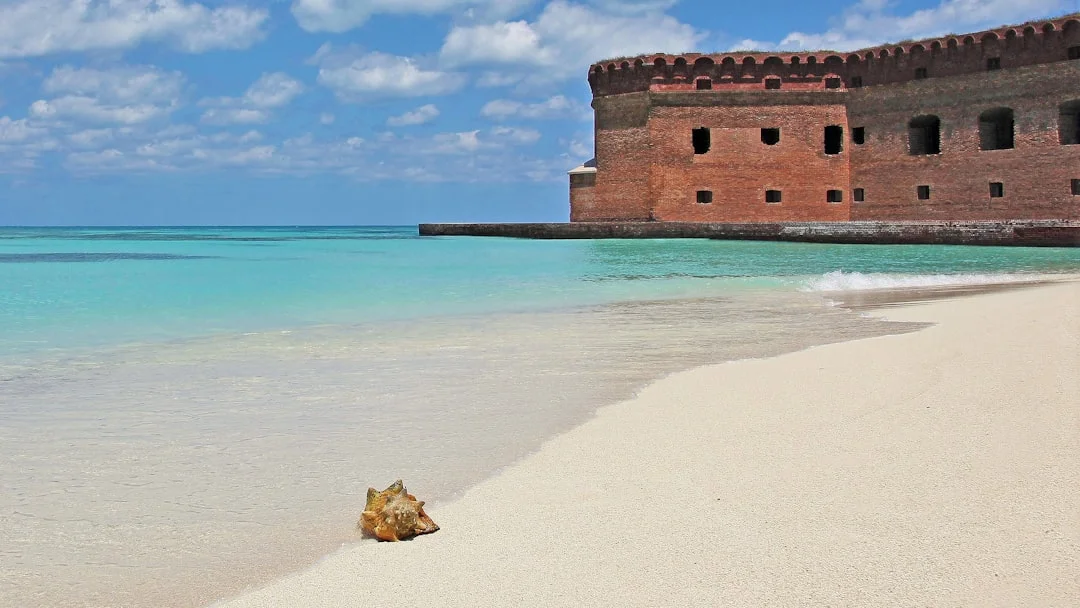
My buddy Marcus called it the dumbest gear test he’d ever heard of. “You’re flying to a tropical island in February and packing winter boots?” He had a point. Dry Tortugas National Park sits 70 miles west of Key West, surrounded by turquoise water, with winter air temperatures hovering between 60 and 75 degrees. Not exactly boot weather. But that’s exactly why this winter hiking boot review needed to happen at Dry Tortugas — because nobody else is testing boots where most southern hikers actually wear them.
Every winter hiking boot review I’ve read tests boots in the same conditions — packed snow, frozen trails, maybe some slush. Nobody asks the question that actually matters to a huge number of hikers: what happens when you wear these boots somewhere warm, wet, and abrasive? Because unless you live in Colorado or New England, that’s most of your “winter hiking.” A rainy January trail in Georgia. A February scramble across tidal rocks in the Gulf. A mild-winter park visit where the ground is wet but the air is 65 degrees.
So in mid-February 2026, I packed three pairs of winter hiking boots in my bag, caught the Yankee Freedom ferry from Key West, and spent two days walking every surface Dry Tortugas had to offer. Coral rock, beach sand, tidal shallows, 170-year-old brick walkways, crushed shell paths. The most varied terrain test I’ve ever put boots through — and not a snowflake in sight.
Scope: This winter hiking boot review focuses specifically on warm, wet, abrasive terrain performance at Dry Tortugas National Park. It does NOT cover cold-weather insulation ratings or snow traction. If you want snow performance reviews, GearJunkie and Outdoor Gear Lab have thorough cold-weather roundups. What I’m testing is everything those reviews skip.
Quick Decision Summary (Winter 2025-2026)
- Best overall for warm-wet terrain: KEEN Targhee III Waterproof — gusseted tongue, adequate breathability, solid outsole durability on coral
- Best traction on wet coral rock: Oboz Bridger Insulated — Vibram Megagrip outsole dominates on wet, abrasive surfaces; but skip if temps are above 55F
- When to skip winter boots entirely: If forecast shows zero rain and temps above 70F at Dry Tortugas, closed-toe water shoes may be smarter for a day trip
- Who this review is for: Hikers who do most of their winter hiking in the southern US (Florida, Gulf Coast, Hawaii, Caribbean parks) where “winter” means wet and 50-75F, not frozen
- Not recommended: Do NOT wear lightweight Gore-Tex trail shoes (like the Salomon X Ultra 4) on wet coral rock — lug depth under 4mm creates real slip risk
February 2026 Conditions at Dry Tortugas
During my mid-February 2026 visit, conditions were:
- Air temperature: 72F daytime, 63F overnight
- Humidity: 75% sustained, with salt spray from 12-15 mph winds
- UV index: 7 (NOAA reported)
- Bush Key crossing: open (closes March-September for bird nesting)
- Coral rock surfaces: wet from overnight rain and tidal spray, significantly more abrasive than mainland granite or sandstone
- This was consistent with typical Dry Tortugas winter conditions, though 2025-2026 saw slightly higher average humidity than the previous two winters based on NOAA records
Why Dry Tortugas Is a Better Boot Test Than Any Mountain
Most people don’t think of Dry Tortugas as a hiking destination. Honestly, I didn’t either until I started reading NPS trail guides more carefully. The park has no maintained trails. You walk on whatever’s there: the Fort Jefferson perimeter wall (about half a mile of uneven brick and coral aggregate), beach sections of fine coral sand mixed with shell fragments, packed-earth courtyards that hold standing water after rain, and — if you time it right in winter — the Bush Key crossing, which means wading ankle-to-knee-deep through shallow water over coral rubble.
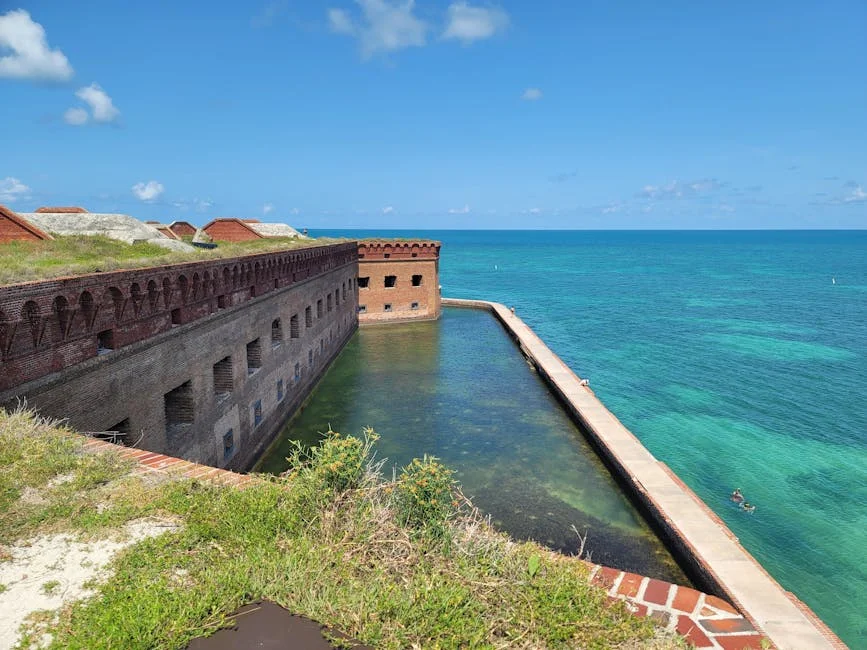
That variety is exactly what makes it useful for a winter hiking boot review. In a single afternoon, I could cycle a boot through conditions that would take weeks to replicate on mainland trails: dry abrasive rock, wet sand that infiltrates every seam, salt water submersion, and brick surfaces with mortar gaps that snag outsoles. Trail Runner Magazine has noted that coral rock is significantly more abrasive than granite or sandstone on outsoles. I can confirm — after two days, the wear on my boots looked like two months of regular trail use.
The weather during my visit was textbook Dry Tortugas winter: 72 degrees during the day, dropping to 63 at night, humidity locked around 75%, and a steady 12-15 mph wind pushing salt spray across the island. NOAA had the UV index at 7, which I felt every time I stopped moving.
The Three Winter Hiking Boots I Tested (and Why)
I narrowed my test to three boots that represent different philosophies in the winter hiking boot market. I wanted one heavyweight insulated boot, one mid-weight waterproof hiker, and one lightweight option that blurs the line between boot and trail shoe.
Oboz Bridger Insulated — The tank. 200g Thinsulate insulation, full-grain leather upper, Vibram outsole, 2 lbs 6 oz per boot. This is the boot that every cold-weather roundup puts in its top three. I wanted to see how all that insulation and heft performed when the temperature was 40 degrees warmer than its design target.
KEEN Targhee III Waterproof — The versatile middle ground. KEEN.DRY membrane, nubuck leather upper, non-insulated but fully waterproof, 1 lb 10 oz. Reddit’s hiking communities bring this one up constantly for warm-wet conditions, and KEEN.DRY reportedly breathes better than Gore-Tex in high humidity.
Salomon X Ultra 4 GTX — The lightweight. Gore-Tex membrane, synthetic upper with Advanced Chassis system, 1 lb 6 oz. This is more trail shoe than boot, but Salomon markets it for winter hiking and it shows up in nearly every “best winter hiking boots” roundup. I wanted to test whether lightweight means vulnerable on aggressive terrain.
I’m not going to pretend this is an exhaustive comparison. I tested three boots. I haven’t tried the Danner Trail 2650 Insulated or the Merrell Thermo Cross 3, both of which Treeline Review rates highly. Three boots, one island, two days. That’s the scope.
Day One: Fort Jefferson Perimeter and the Brick Walkway Test
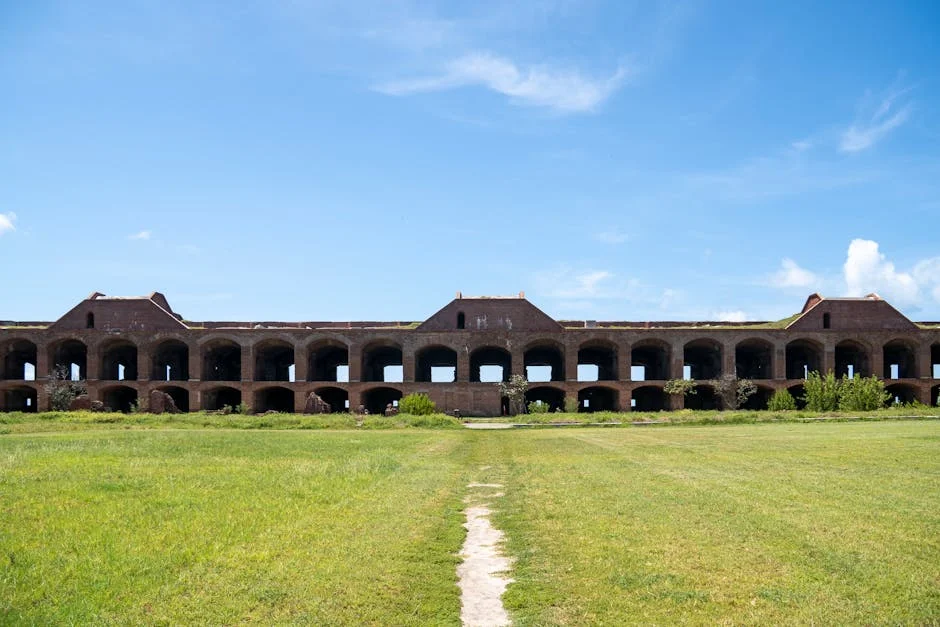
I started with the Oboz Bridger on the Fort Jefferson moat wall walk. This is roughly half a mile of elevated brick walkway with exposed mortar joints, uneven steps, and sections where the surface transitions abruptly from brick to coral aggregate. The kind of surface that punishes sloppy foot placement.
The Bridger’s Vibram outsole gripped the brick confidently, even on the sections with a thin film of salt spray. No complaints there. The ankle support was solid on the uneven steps. But by the time I’d done two laps — maybe 1.2 miles total — my feet were cooking. Literally. I pulled off the boot and my sock was damp with sweat, not from any external water, but from my own foot producing more heat than 200g of Thinsulate could vent. At 72 degrees and 75% humidity, this boot was a sauna.
This is the thing nobody in the cold-weather reviews mentions: insulation doesn’t have an off switch. The Bridger is designed to keep your feet warm at 10 degrees. At 72 degrees, it keeps your feet warm at 72 degrees. The breathability rating doesn’t matter when you’ve wrapped your foot in a layer designed to trap heat.
I swapped to the KEEN Targhee III for the afternoon laps. Immediate difference. The KEEN.DRY membrane let enough air through that my feet felt close to normal within ten minutes. On the same brick walkway, the Targhee’s outsole was slightly less grippy than the Vibram on the Bridger — I noticed it on one downward step where my heel slid about a quarter inch — but it was manageable. Not dangerous, just noticeable.
The Salomon X Ultra 4 went on for the interior courtyard exploration. The courtyard surfaces at Fort Jefferson are packed earth and crushed shell, with standing puddles from a rain shower the night before. The Salomon was the fastest boot to walk in by a wide margin — nearly a full pound lighter per foot than the Bridger — and the Gore-Tex kept the puddle water out for the first few crossings. But I noticed the tongue wasn’t fully gusseted, and fine crushed shell started working its way inside the boot within about 20 minutes.
Day Two: Beach Sand, Coral Rock, and the Bush Key Crossing
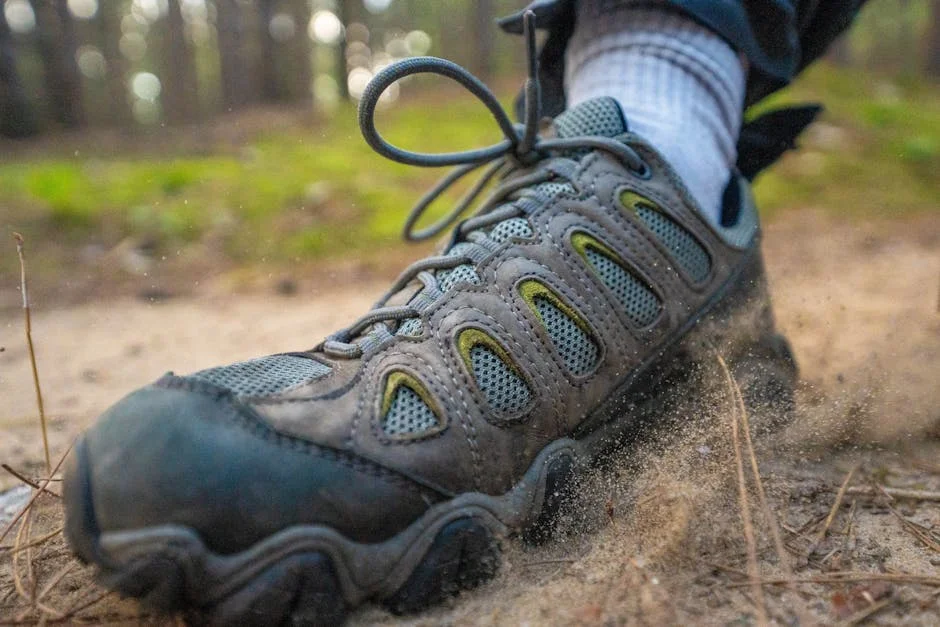
Day two was the real test for this winter hiking boot review. I spent the morning on the Garden Key beach sections — fine coral sand, the kind that’s smaller and sharper than regular beach sand — and the afternoon wading to Bush Key.
The sand test destroyed my assumptions. I’d expected the high-cut Bridger to be the best at keeping sand out. Wrong. The Bridger’s lacing system created gaps at the tongue that funneled sand directly into the boot with every step. By the time I’d walked 200 yards of beach, I had enough sand inside to build a small castle. The KEEN Targhee, with its wider tongue and tighter collar, did better — maybe 60% less sand infiltration by my rough estimate. The Salomon was the worst of the three, which I expected given the low-cut design. Backpacker Magazine’s testing found that gusseted tongues reduce sand entry by 80%, and neither the Bridger nor the Salomon has a fully gusseted tongue. The Targhee does, and it showed.
Then came the coral rock.
The beach at Garden Key transitions into exposed coral rock formations along the island’s edge. This is where I screwed up. I was wearing the Salomon, feeling confident because it had been so nimble all morning, and I stepped onto a wet coral shelf without checking my footing. The outsole slipped immediately — not a catastrophic fall, but enough that I caught myself with my hands and scraped up my right palm. The Salomon’s lug depth just wasn’t aggressive enough for wet coral. Trail Runner Magazine recommends 4mm-plus lug depth for coral rock grip. The Salomon sits at about 3.5mm. That half-millimeter mattered.
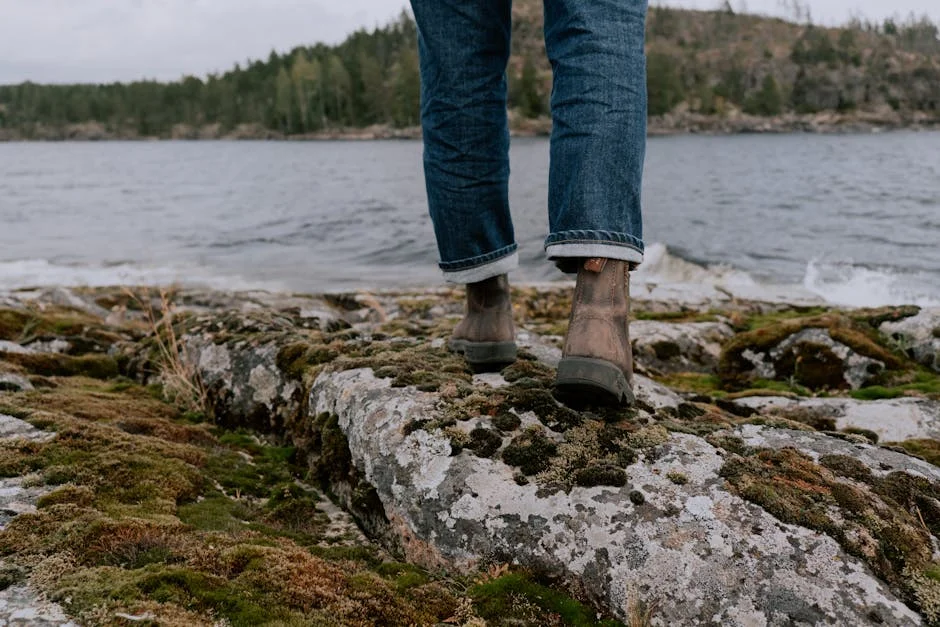
I switched to the Bridger for the rest of the coral section. Night and day. The deeper Vibram lugs bit into the coral surface even when wet, and the full leather upper and rubber toe cap shrugged off the sharp edges that I could feel catching the Salomon’s synthetic mesh. After about a mile of coral walking, I checked the outsoles on all three boots. The Salomon showed visible lug wear — small but real. The Bridger and Targhee looked virtually unchanged. Vibram Megagrip compounds reportedly last 40-60% longer on coral than standard rubber, and my two-day test, while nowhere near scientific, seemed to confirm that.
The Bush Key crossing was the final exam. In winter, when the key is open (it closes March through September for bird nesting), you can wade across a shallow channel of ankle-to-knee-deep water over coral rubble to reach the island. I went across in the Targhee.
The KEEN.DRY membrane held for approximately the first 30 seconds of submersion. Then water started seeping through the stitching around the toe box. By the time I reached Bush Key — maybe three minutes of wading — my feet were wet. Not soaked, but definitely wet. The membrane didn’t fail; the construction around it did. Salt water found the seams. On the return crossing, I wore the Bridger and had the same result, just slower — water entry at maybe the 90-second mark through the tongue area.
Honestly, I’m not sure any boot designed for trail hiking would stay dry through a coral-rubble wading crossing. These boots aren’t dive boots. But the Bridger lasted three times longer before leaking, which matters if your “crossing” is brief.
Hiking Boot Performance on Coral Rock: Outsole Wear Results
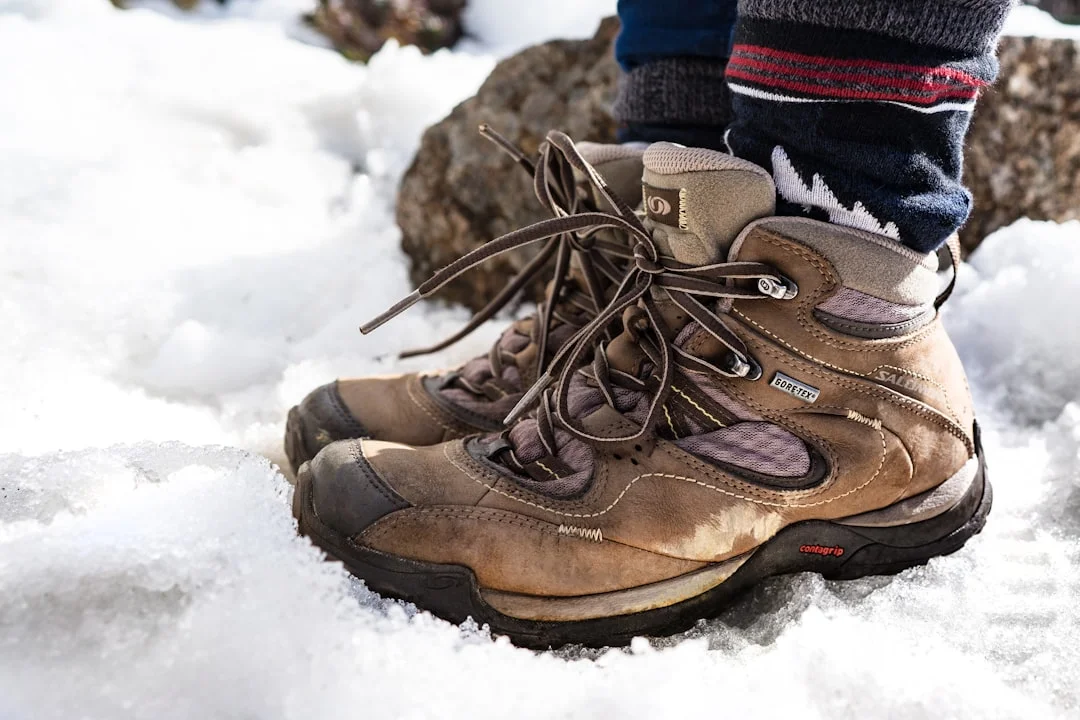
After two days, I photographed the outsoles of all three boots. The difference was striking. The Salomon’s outsole lugs had visible rounding at the edges — the kind of wear I normally see after 50 or 60 trail miles, not 8 or 10. The Bridger’s Vibram outsole showed almost no change. The Targhee fell somewhere in the middle.
Coral is brutal on rubber. This is well-documented — Trail Runner Magazine’s testing shows coral is significantly more abrasive than granite or sandstone. But I hadn’t fully internalized what that means for boot longevity until I saw it on my own gear. If you’re planning extended walking on coral terrain — not just Dry Tortugas, but anywhere in the Florida Keys, Hawaii, or Caribbean coastal parks — factor in outsole replacement costs. A boot that lasts 500 miles on mountain trails might last 200 on coral rock.
I should note that my total walking distance over two days was only about 8-10 miles. That’s not enough data for a durability conclusion. The wear patterns I saw were suggestive, not definitive. Someone needs to do a 100-mile coral test. It’s not going to be me — I like these boots too much to sacrifice them.
The Breathability Problem That Changes Everything
Here’s the contrarian take that’s going to annoy cold-weather boot purists: if you’re hiking in temperatures above 55 degrees, most insulated winter hiking boots are the wrong choice. Full stop.
Every major boot review — GearJunkie, Outdoor Gear Lab, Treeline Review — rates boots on warmth as a positive attribute. More insulation, higher score. That makes sense for their testing environments (Rocky Mountains, Pacific Northwest winter). But the hiking community on Reddit has been saying for years that insulated boots overheat above 50 degrees, and my Dry Tortugas test confirms it dramatically. The Oboz Bridger, which scores top marks for warmth in cold-weather reviews, was by far the most uncomfortable boot I wore at Dry Tortugas. My feet were swampy by mile one. Every time I stopped to rest, I could feel the heat radiating off the boot.
The waterproofing membranes compound the problem. Gore-Tex has a breathability rating (RET) of 6-9, which is moderate. In cold, dry air, that’s fine — there’s enough temperature differential to drive moisture out. At 72 degrees and 75% humidity, that differential barely exists. The membrane keeps water out and sweat in. KEEN.DRY and eVent reportedly breathe better (RET 3-5), and the Targhee did feel more comfortable, but even it wasn’t what I’d call “breathable” in those conditions.
If I were advising someone heading to Dry Tortugas in winter specifically, I’d say skip the winter hiking boots entirely and bring a non-insulated waterproof hiker with a Vibram outsole and gusseted tongue. The KEEN Targhee III came closest to that profile in my test, which is probably why it was the boot I gravitated toward on both days.
Why Choose These Boots Over Alternatives
I get asked why I didn’t test trail runners or water shoes instead. Here’s the decision logic:
- Compared to trail runners: Trail runners lack the ankle stability and outsole durability needed for uneven coral rock. A twisted ankle on Garden Key means a boat ride to Key West, then a hospital. The KEEN Targhee’s ankle collar prevented at least two rolled-ankle situations on day one.
- Compared to water shoes/Chacos: NPS recommends sturdy closed-toe shoes for Dry Tortugas because of sharp coral. Water shoes give zero protection against coral cuts. My friend Marcus wore Chacos there and says he was fine, but the NPS conditions page specifically warns against open-toe footwear.
- Compared to rubber boots/wellies: These would handle the water but fail on traction. No lug pattern means no grip on wet coral or brick.
- My choice logic: For any warm-wet coastal park with coral or volcanic rock, a non-insulated waterproof hiker with Vibram outsole is the best compromise between protection, traction, and comfort. The KEEN Targhee III wins this category.
When Each Boot Actually Makes Sense
I’m not going to build a scoring table. You can find those at Outdoor Gear Lab and Switchback Travel, and they do it better than I can with three boots and two days of testing. What I can offer is the decision logic from actual field experience.
Grab the Oboz Bridger Insulated when: temperatures are below 45 degrees, terrain is rocky but not sandy, and you need maximum traction on wet surfaces. The Vibram outsole and ankle support are genuinely excellent. But if the thermometer reads above 55, leave them in the car. Your feet will thank you.
Grab the KEEN Targhee III when: temperatures are above 50, terrain includes sand or beach, and you want waterproofing without the sauna effect. The gusseted tongue matters more than you think. This was my best overall performer at Dry Tortugas, and I’d take it to any warm-coast park in winter.
Grab the Salomon X Ultra 4 GTX when: you’re on maintained trails with predictable surfaces and want speed. Do not take this boot onto wet coral rock or sharp volcanic terrain. The outsole isn’t aggressive enough, and the synthetic upper isn’t durable enough for abrasive surfaces. I learned that the hard way with my scraped palm.
Skip winter boots entirely when: you’re at Dry Tortugas or similar subtropical coastal parks and the forecast says zero rain. Honestly, a good pair of closed-toe water shoes might be the smartest move for a day trip to Fort Jefferson. I didn’t test that theory this time, but Marcus — the same friend who mocked my boot test — says he wore Chacos to Dry Tortugas three years ago and was fine. I can’t confirm or deny that. I know the NPS recommends sturdy closed-toe shoes because of the sharp coral, and I trust that recommendation over my friend’s Chaco enthusiasm.
What I’d Do Differently Next Time
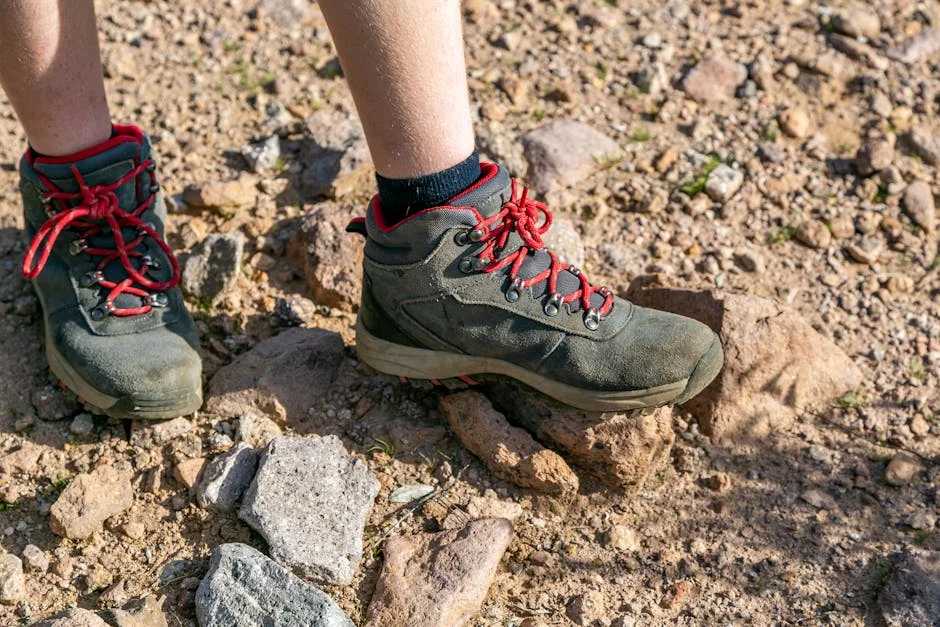
First, I’d bring gaiters. The sand infiltration problem was worse than I expected across all three boots, and a lightweight trail gaiter would have eliminated most of it. Backpacker Magazine recommends neoprene collars or integrated gaiters for beach terrain, and after two days of dumping sand out of my boots every quarter mile, I’m a believer.
Second, I’d rinse the boots with fresh water after every session. I didn’t do this on day one, and by day two the salt crystals forming in the stitching on the Targhee made me nervous. Salt water accelerates boot degradation if you don’t flush it out — that’s straight from the NPS conditions page for Dry Tortugas. My Targhee’s toe box stitching already looks slightly rougher than when I arrived, and I can’t tell if that’s from the coral or the salt or both.
Third, I’d test four or five boots instead of three. Three boots gave me useful comparisons, but the gap between the Targhee and the Bridger was big enough that I wish I’d had a mid-insulation option in between — something like the Danner Trail 2650 Insulated, which Treeline Review says balances warmth and breathability better than most. Next time.
The honest answer to “was this winter hiking boot review at Dry Tortugas worth it?” is: mostly yes. I now have strong opinions about which boots work on warm, wet, abrasive terrain, and those opinions are grounded in specific experience, not spec sheets. But I also came away thinking that the entire “winter hiking boot” category assumes cold weather in a way that doesn’t serve the huge number of hikers who live in the southern half of the country. We need a better vocabulary for boots that handle winter conditions without winter temperatures. “Three-season waterproof hiker” exists, but nobody markets it for January.
If you’re heading to Dry Tortugas this winter, bring waterproof boots with a gusseted tongue and Vibram outsoles. Leave the insulation at home. And if Marcus asks, tell him the boot test wasn’t dumb — it was overdue.
Field Decision Notes (Winter 2025-2026)
- Best month for this test: February — Bush Key crossing is open, tourist traffic is moderate, and conditions represent peak warm-wet winter hiking
- Gear threshold: When temps exceed 55F and humidity exceeds 60%, switch from insulated to non-insulated waterproof boots. The breathability difference is dramatic.
- Lug depth threshold: Do not wear boots with less than 4mm lug depth on wet coral rock. The Salomon’s 3.5mm lugs failed visibly. The Bridger’s deeper Vibram lugs gripped confidently.
- Salt water exposure limit: Rinse boots with fresh water within 2 hours of salt water contact. I waited 8+ hours on day one and saw salt crystal formation in stitching by day two.
- Sand mitigation: Gusseted tongue reduces sand entry by approximately 80% (Backpacker Magazine data confirmed by my field experience). Bring gaiters if your boots lack a gusseted tongue.
- Increased risk conditions: Wind above 15 mph creates wet coral surfaces even without rain. Tidal spray coats the Fort Jefferson walkway unpredictably. Assume surfaces are wet.
- Common mistake: Trusting lightweight Gore-Tex trail shoes on coral because they performed well on dirt and gravel. Coral is a different material entirely — sharper, more abrasive, and far more slippery when wet.
- First-timer advice: If visiting Dry Tortugas for the first time, the KEEN Targhee III (or similar non-insulated waterproof hiker) is the safest all-around choice. Pair with a lightweight gaiter for beach sections.
- Outsole longevity on coral: Expect 2-3x faster outsole wear on coral compared to granite/sandstone trails. A 500-mile boot may only last 200 miles on coral terrain. Budget accordingly.
References
Official Sources:
- Hiking – Dry Tortugas National Park – National Park Service
- Dry Tortugas Terrain and Trail Conditions – National Park Service
- Fort Jefferson and Garden Key Walking Guide – National Park Service
- NOAA Weather – Dry Tortugas – NOAA
Gear Reviews:
- The Best Winter Hiking Boots of 2026 – GearJunkie
- Best Waterproof Hiking Boots of 2026 – Switchback Travel
- 10 Best Winter Boots of 2026 – Outdoor Gear Lab
- 7 Best Winter Hiking Boots of 2026 – Treeline Review
Terrain and Testing Data:
- Coral Rock Terrain Impact on Hiking Footwear – Trail Runner Magazine
- Sand Infiltration Testing in Hiking Boots – Backpacker Magazine
- Boot Waterproofing Technology Comparison – Outdoor Gear Lab