
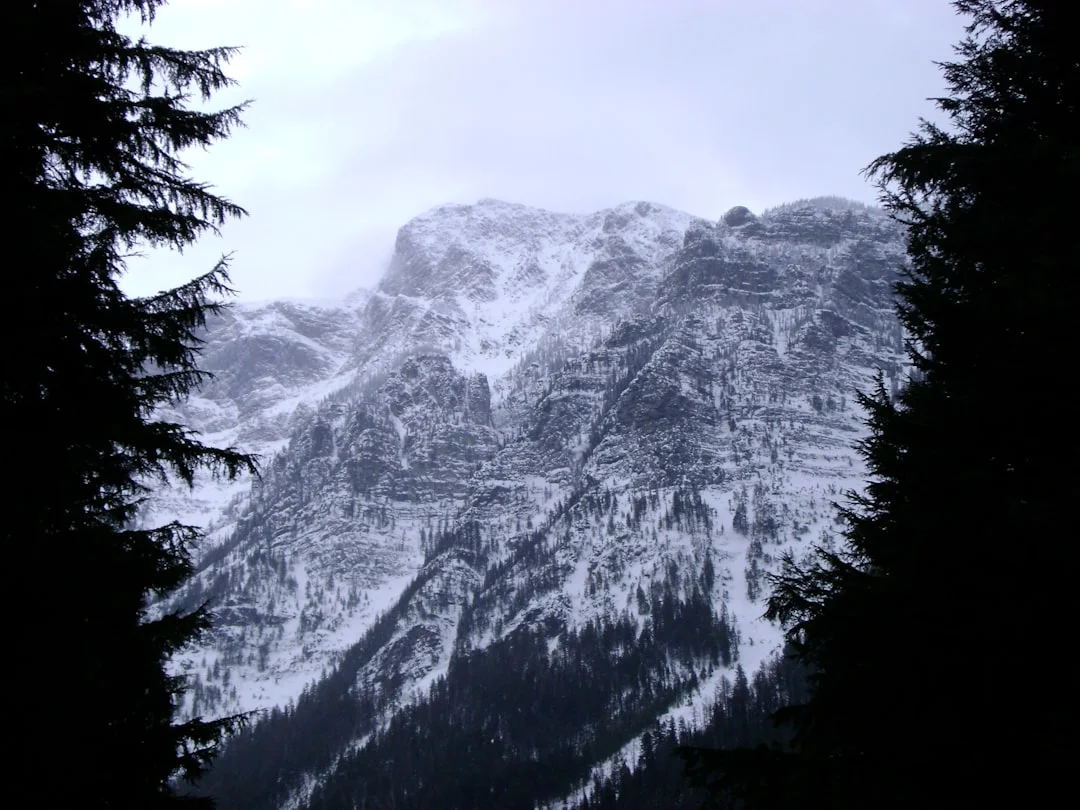
I spent three winters researching winter hiking on the Continental Divide Trail across the Rocky Mountains. Spoiler: there is no perfect pass. Each destination has trade-offs, and the best choice depends entirely on what you’re willing to tolerate.
Last February, I drove to South Pass, Wyoming, expecting an easy day hike at 7,550 feet. I turned around after 45 minutes. The wind was so brutal I couldn’t feel my face, and the “trail” had vanished under drifting snow. Meanwhile, my friend had a gorgeous day at Marias Pass the same weekend – 2,000 feet lower, completely different experience.
Scope: This comparison covers only the 7 passes I’ve visited in winter. There are dozens of other CDT access points, but I’m not going to pretend I know them all. This guide focuses on beginner-friendly sections in Colorado, Wyoming, and Montana.
Quick Decision Summary (Winter 2025-2026)
Before reading the full breakdown, here’s my honest assessment:
- Best conditions: January through early March when snowpack is stable
- When to skip: During or immediately after major storms; avalanche danger peaks 24-48 hours post-storm
- Who this is for: Beginners to intermediate hikers ready for cold weather
- Better alternatives if: You want tropical warmth (obviously) or hate driving mountain roads in winter
Which Pass for Which Need?
If you’ve never winter hiked before: Start with Rocky Mountain National Park. Full stop. Ranger services, rental gear in Estes Park, and trails you can bail from easily.
If you want solitude: Marias Pass or South Pass. But South Pass requires serious winter experience – I’m talking avalanche training and navigation skills.
If you’re driving from Denver for a day trip: Georgetown/Loveland Pass. It’s an hour from the city, and the Continental Divide Loop Trail is only 3 miles.
If you want the most snow: Wolf Creek Pass gets nearly 400 inches annually. But that also means the road might be closed when you get there.
If you’re bringing kids or nervous friends: Sprague Lake at RMNP (0.8 miles, flat) or Loveland Pass Lake Trail. Both are short enough to turn back if someone gets cold.
The 7 Destinations: Detailed Breakdown
1. Rocky Mountain National Park, Colorado
Elevation: 8,500-12,000+ ft | Access: US-34, US-36 | Winter Accessibility: HIGH
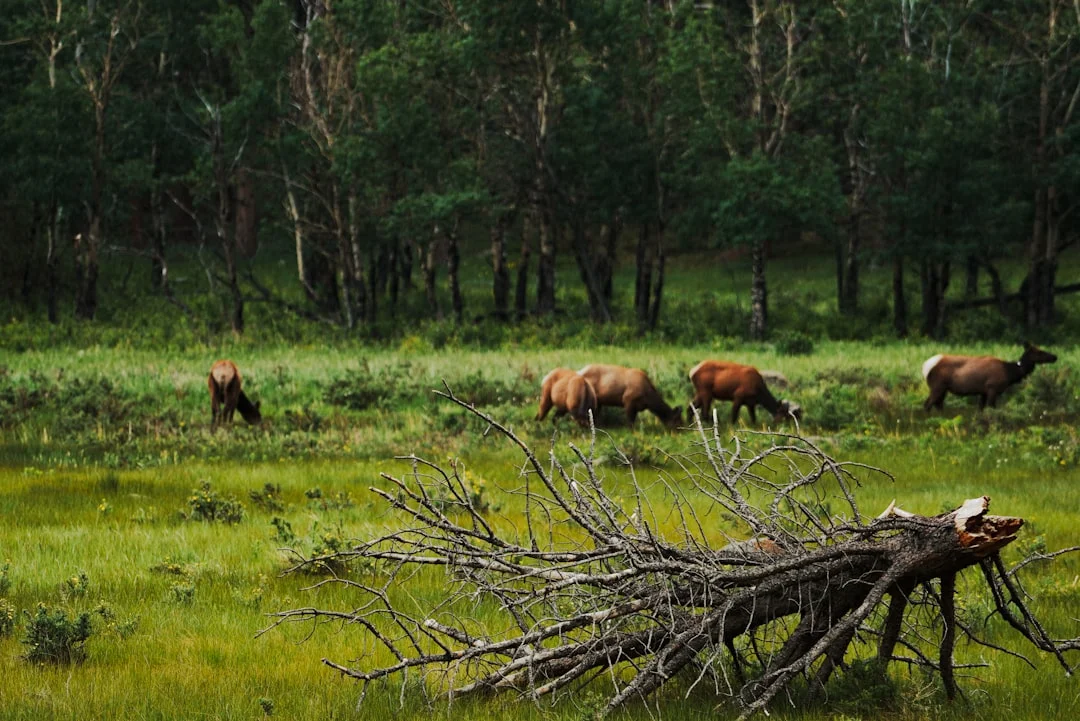
This is where I tell everyone to start their winter hiking journey in the Rockies, and where I started myself. The park has winter rangers, multiple plowed entrances, and trails ranging from a flat 0.8-mile loop to serious alpine terrain.
Go if: You’re new to winter hiking on the Continental Divide Trail, want rental gear nearby, or value having cell service and rescue options.
Skip if: You want wilderness solitude. On January weekends, Sprague Lake feels like a parking lot with snowshoes.
My favorite beginner trail here is Chasm Falls via Old Fall River Road – 4.7 miles round-trip with a frozen waterfall payoff. The elevation gain (531 feet) is manageable, and the route stays below treeline. You’ll need microspikes and poles, both rentable in Estes Park.
One thing that surprised me: the east side of the park gets significantly less snow than the west side. If Trail Ridge Road conditions look intimidating, stick to the east entrance trails.
Required gear: Microspikes, snowshoes (for trails above 9,000 ft), hiking poles. All rentable in Estes Park or Grand Lake.
2. Georgetown to Loveland Pass, Colorado
Elevation: 11,990 ft at summit | Access: US-6 | Winter Accessibility: HIGH
The closest CDT access point to Denver – about an hour’s drive. I’ve done the Continental Divide Loop Trail here probably eight times, and it’s never the same twice. January’s wind nearly knocked me off my feet. March was eerily calm with perfect snow.
Go if: You want a day trip from Denver for winter hiking in the Rocky Mountains, prefer marked trails with other hikers nearby, or want to combine hiking with skiing at nearby resorts.
Skip if: You’re uncomfortable driving mountain roads in winter. US-6 to Loveland Pass can be treacherous, and chain restrictions happen frequently.
The 3-mile Continental Divide Loop follows the actual ridgeline of the divide. On clear days, you can see ranges in every direction. On windy days, you’ll wonder why you left your car.
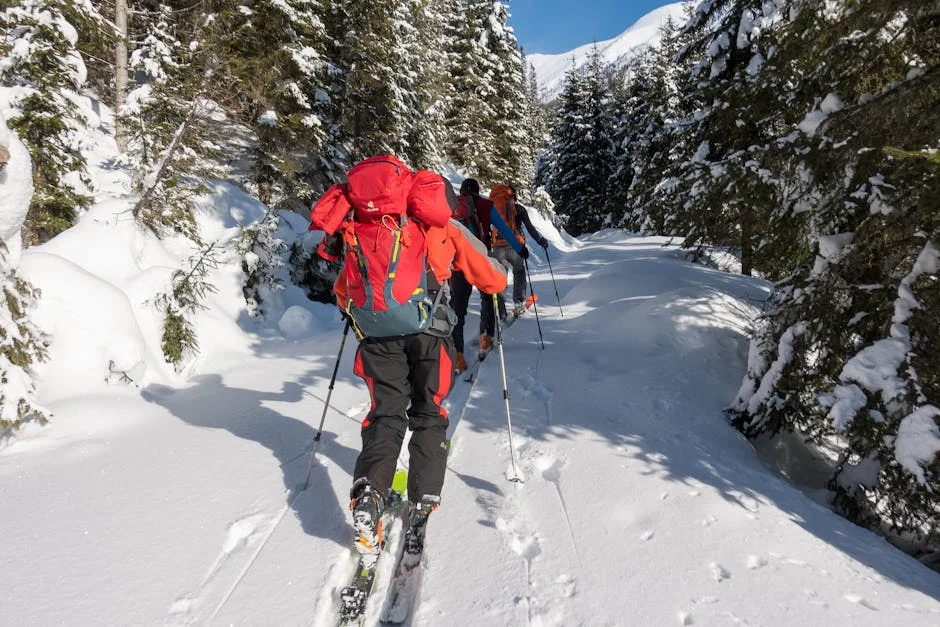
For families, the Loveland Pass Lake Trail is better – shorter, more sheltered, and you can turn around whenever the kids get cold.
Warning: Avalanche danger is real here. The slopes near the pass hit 30-40 degrees, which is prime slide territory. Check the Colorado Avalanche Information Center forecast before every trip. I’ve seen people hike right into avalanche terrain without realizing it.
3. Monarch Pass Area, Colorado
Elevation: 11,312 ft | Access: US-50 | Winter Accessibility: HIGH
Monarch Pass doesn’t get the attention that Loveland does, and honestly, I prefer it that way. US-50 is plowed year-round, the parking area is maintained, and the Old Monarch Pass Loop offers 3.2 miles of gentle terrain with views of the Sawatch Range.
Go if: You want alpine views without technical terrain, you’re combining the trip with Salida or Gunnison, or you prefer cross-country skiing over snowshoeing.
Skip if: You want challenging terrain. This area is mostly mellow – good for building confidence, less exciting for experienced winter hikers.
The CDT passes through here, but in winter I wouldn’t venture far from the maintained routes. The avalanche terrain starts quickly once you leave the ridgeline.
I drove past Monarch three times before I finally stopped. Don’t make my mistake – it’s worth a visit, especially mid-week when you might have the whole loop to yourself.
Nearby services: Salida (30 minutes east) has gear shops and good coffee. Gunnison is 45 minutes west.
4. Marias Pass, Montana
Elevation: 5,213 ft | Access: US-2 | Winter Accessibility: HIGH
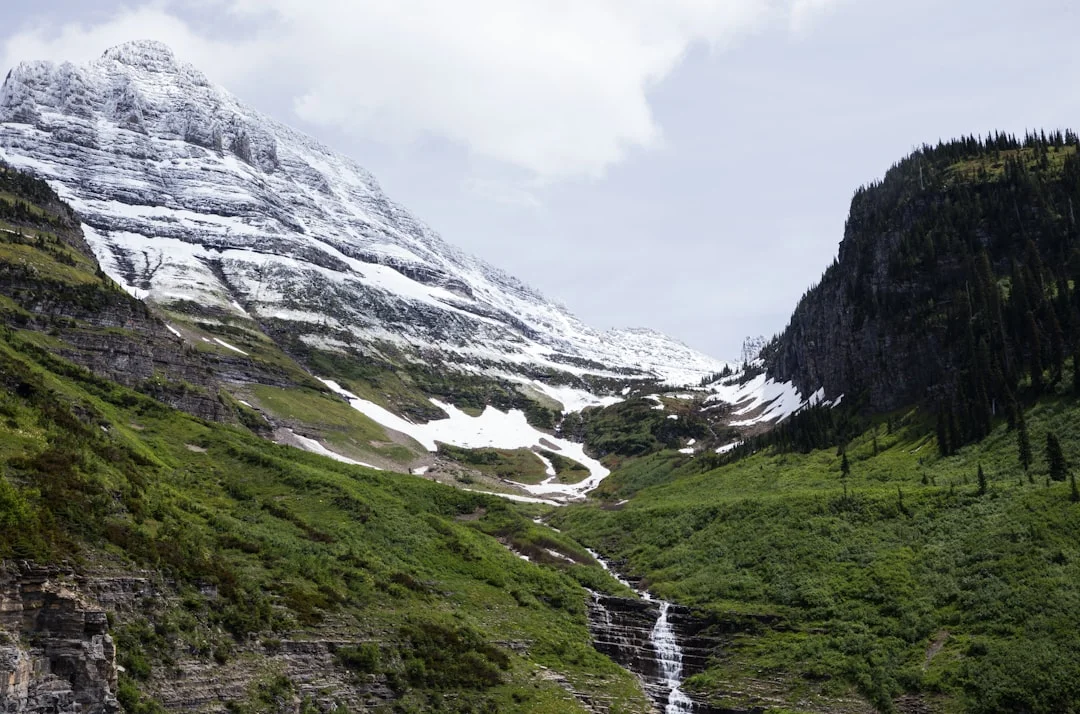
Here’s a fact that surprised me: Marias Pass is the lowest crossing of the Continental Divide between Canada and central New Mexico. At 5,213 feet, it’s nearly 6,000 feet lower than Loveland Pass. That translates to milder temperatures and less altitude stress.
Go if: You want Glacier National Park access without high-altitude challenges, you’re comfortable with longer trails (5+ miles), or you’re coming from the Flathead Valley area.
Skip if: You’re looking for the dramatic alpine scenery of Colorado’s high passes. Marias is beautiful, but it’s a different kind of beautiful – forested, rolling, less “above treeline” drama.
The Firebrand Pass trail (5 miles, 2,000 ft gain) is my pick here. It circumnavigates Calf Robe Mountain and offers views into Glacier’s backcountry. No entrance station required – you’re accessing the park’s southern edge.
One catch: this area gets serious snowfall despite the lower elevation. I post-holed through thigh-deep snow in February even with snowshoes. The lower altitude doesn’t mean less snow; it means heavier, wetter snow.
5. Wolf Creek Pass, Colorado
Elevation: 10,857 ft | Access: US-160 | Winter Accessibility: MODERATE
Wolf Creek gets nearly 400 inches of snow annually – more than anywhere else in Colorado. That’s both the attraction and the problem for winter hiking.
Go if: You want to experience deep powder, you’re flexible on dates (in case of road closures), or you want to ski/snowshoe to the Pass Creek Yurt for an overnight adventure.
Skip if: You need reliable access. US-160 can close during storms, sometimes for multiple days. The 6.8% grade is also genuinely dangerous when icy.
I’ve been turned back at Wolf Creek twice. The first time, the highway was closed entirely. The second time, I made it to the pass but conditions were so sketchy I didn’t feel safe leaving my car. The snow was perfect – I just couldn’t safely get to it.
The Pass Creek Yurt is a 3-mile ski or snowshoe in winter and offers a unique backcountry experience if you can plan around weather windows.
Nearby services: South Fork (18 miles) and Pagosa Springs (24 miles) both have limited gear options. Bring what you need.
6. Togwotee Pass, Wyoming
Elevation: 9,655 ft | Access: US-287/US-26 | Winter Accessibility: MODERATE
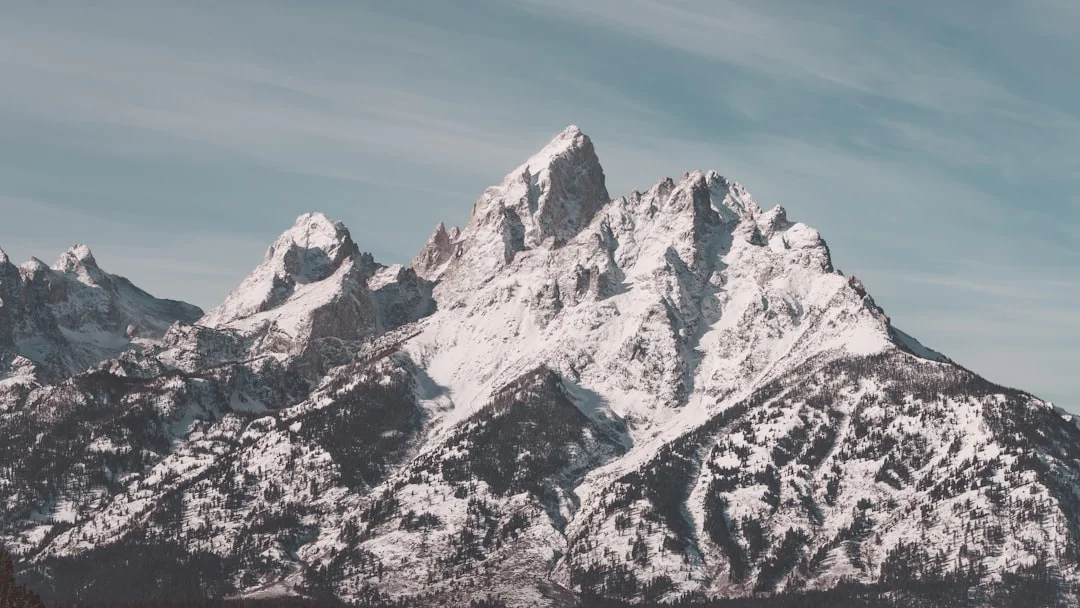
I need to be honest about Togwotee: it’s primarily a snowmobile destination in winter. The Continental Divide Snowmobile Trail runs through here, and it’s rated the #1 snowmobile trail in the country. If you hate snowmobile noise, this probably isn’t your spot for winter hiking on the Continental Divide Trail.
Go if: You want views of the Tetons, Absarokas, and Wind River Range all at once, you don’t mind sharing trails with motorized users, or you want to combine hiking with wildlife viewing (elk, moose, and fox are common).
Skip if: You want a quiet wilderness experience. The snowmobile traffic is constant on weekends.
That said, the scenery is genuinely stunning. On a clear day, you can see three major mountain ranges. I saw a moose and her calf about 200 yards off the trail, completely unbothered by the distant snowmobile buzz.
Winter season runs December through March. The highway can close for multi-day stretches during heavy snowfall.
7. South Pass, Wyoming
Elevation: 7,550 ft | Access: WY-28 | Winter Accessibility: MODERATE (but conditions are HARD)
South Pass is where the Oregon Trail crossed the Continental Divide, and in summer it’s the gateway to the most spectacular CDT section in Wyoming – the Wind River Range. In winter, it’s where I learned that “low elevation” doesn’t mean “easy.”
Go if: You have serious winter backcountry experience, you’re prepared for extreme cold and wind, and you want genuine wilderness solitude.
Skip if: You’re a beginner. I mean this seriously. The Wind River Range beyond South Pass has deep snow, extreme cold, avalanche danger, and is grizzly bear habitat. There’s minimal winter infrastructure.
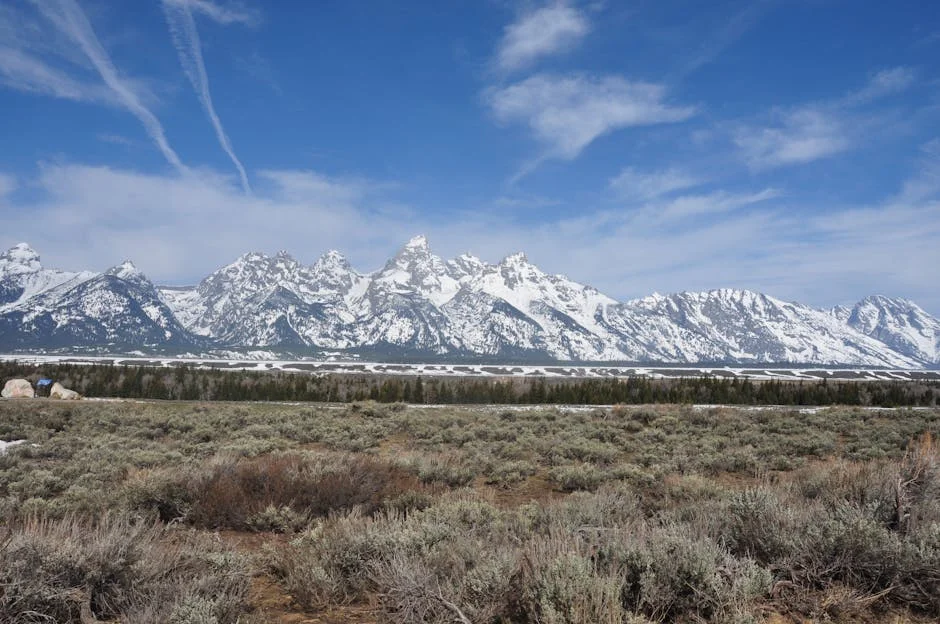
My experience at South Pass taught me that the pass itself is accessible, but everything beyond it requires expedition-level planning. The Cirque of the Towers and Knapsack Col are legendary summer destinations, but attempting them in winter is a completely different undertaking.
If you do visit, the South Pass City historic site offers some context for what pioneers faced crossing here in the 1800s – with worse gear than we have today.
Why Choose These CDT Sections Over Others?
When comparing winter hiking destinations on the Continental Divide Trail, these 7 passes offer distinct advantages:
- Compared to Grand Lake area: More reliable road access in winter
- Compared to Silverton sections: Lower avalanche risk for beginners
- Compared to New Mexico CDT: More consistent snow for proper winter hiking experience
- My choice logic: I prioritized road accessibility, beginner-friendliness, and proximity to emergency services
What I’d Do Differently (Lessons from 3 Winters)
After visiting all seven passes for winter hiking in the Rocky Mountains, here’s what I’ve learned:
I underestimated driving conditions. Three of these seven passes have given me white-knuckle drives. Now I check road conditions obsessively and always carry chains, even when they’re not required.
I overestimated my fitness at altitude. At 11,000+ feet, even a “easy” 3-mile hike takes it out of you. I now plan for half the distance I’d cover at sea level.
I ignored avalanche forecasts. Not anymore. After watching a slide from a distance at Loveland Pass, I check the Colorado Avalanche Information Center (or local equivalent) before every trip. If it’s “Considerable” or higher, I stay on the flats.
I didn’t bring enough layers. Summit temperatures can be 20-30 degrees colder than the parking lot. My rule now: bring one more layer than you think you’ll need.
Comparison Summary
| Pass | Elevation | Best For | Skip If… |
|---|---|---|---|
| RMNP | 8,500-12k ft | Beginners, families | Want solitude |
| Loveland | 11,990 ft | Denver day trips | Hate winter driving |
| Monarch | 11,312 ft | Mellow terrain, views | Want challenge |
| Marias | 5,213 ft | Lower altitude, Glacier access | Want alpine drama |
| Wolf Creek | 10,857 ft | Deep snow | Need reliable access |
| Togwotee | 9,655 ft | Teton views, wildlife | Hate snowmobiles |
| South Pass | 7,550 ft | True wilderness | Lack winter experience |
Frequently Asked Questions
What is the easiest CDT section for winter hiking beginners?
Rocky Mountain National Park offers the most beginner-friendly winter hiking near the Continental Divide Trail. The park has ranger services, well-marked trails, and gear rentals in Estes Park. Sprague Lake (0.8 miles, flat) is ideal for first-timers.
Do I need snowshoes for winter hiking on the Continental Divide Trail?
It depends on the trail and conditions. For trails above 9,000 feet with more than 6 inches of fresh snow, snowshoes are essential. Below treeline trails with packed snow may only require microspikes. Always check current conditions before your hike.
Which CDT pass has the lowest avalanche risk?
Marias Pass in Montana offers the lowest avalanche risk due to its lower elevation (5,213 ft) and forested terrain. Rocky Mountain National Park’s lower trails (like Sprague Lake) also have minimal avalanche exposure when staying below treeline.
Can I do a day trip from Denver for winter hiking on the CDT?
Yes. Loveland Pass is about 1 hour from Denver and offers the 3-mile Continental Divide Loop Trail. Georgetown is even closer (45 minutes) with several winter hiking options. Both are accessible on a day trip when roads are clear.
Field Decision Notes (Winter 2025-2026)
Based on my visits across three winters, here are my go/no-go recommendations:
- Best month: Late January to mid-February for stable snowpack and fewer crowds
- Gear threshold: When temps drop below 10F, add chemical hand warmers and a balaclava
- Skip when: Wind speed > 25 mph at summit (check mountain-forecast.com), avalanche danger “Considerable” or higher, or road conditions “Chain Law in Effect”
- Increased risk conditions: 24-48 hours after major snowfall; wind-loaded slopes above treeline
- Common mistakes: Underestimating cold at altitude, not checking avalanche forecast, wearing cotton
- First-timer advice: Start at RMNP’s Sprague Lake or Loveland Pass Lake Trail. Both are under 2 miles with easy bailout options.
Final Thoughts: Which One Should You Choose?
If you’re reading this comparison article about winter hiking on the Continental Divide Trail, you probably haven’t committed to a destination yet. Here’s my advice: start easier than you think you need to.
Winter hiking isn’t summer hiking with snow. The cold drains your battery (both phone and physical). Routes disappear under drifts. Days are short. Things go wrong faster.
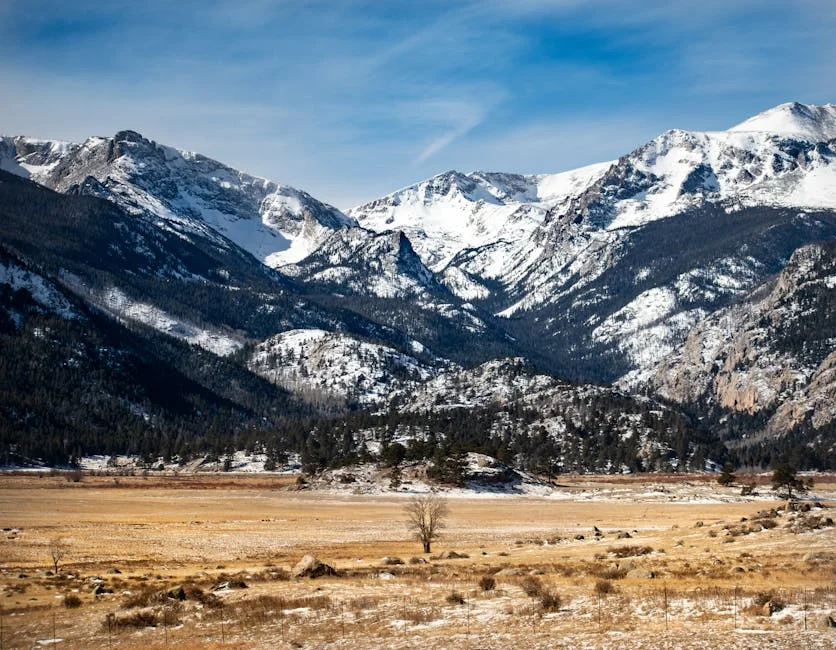
Rocky Mountain National Park or Georgetown/Loveland Pass are both excellent starting points for winter hiking in the Rockies. Build your skills, figure out what gear actually works for you, and save the remote passes for when you’re confident.
The Continental Divide will still be there next winter. And the winter after that.
References
Official Sources:
- Plan Your Winter Visit to Rocky – National Park Service
- Winter Hikes in RMNP – National Park Service
- Monarch Pass CDT Access – U.S. Forest Service
- Wolf Creek Pass to Rock Lake – Continental Divide Trail Coalition
- Avalanche Awareness – National Park Service
Trail Information:
- Loveland Pass Guide – Visit Georgetown
- Clear Creek County Snowshoe Trails – Clear Creek County Tourism
- Continental Divide Trail in Glacier Country – Visit Western Montana
- Continental Divide Trail Wyoming – Wind River Country
Safety Resources:
- Avalanche Basics – REI Expert Advice