
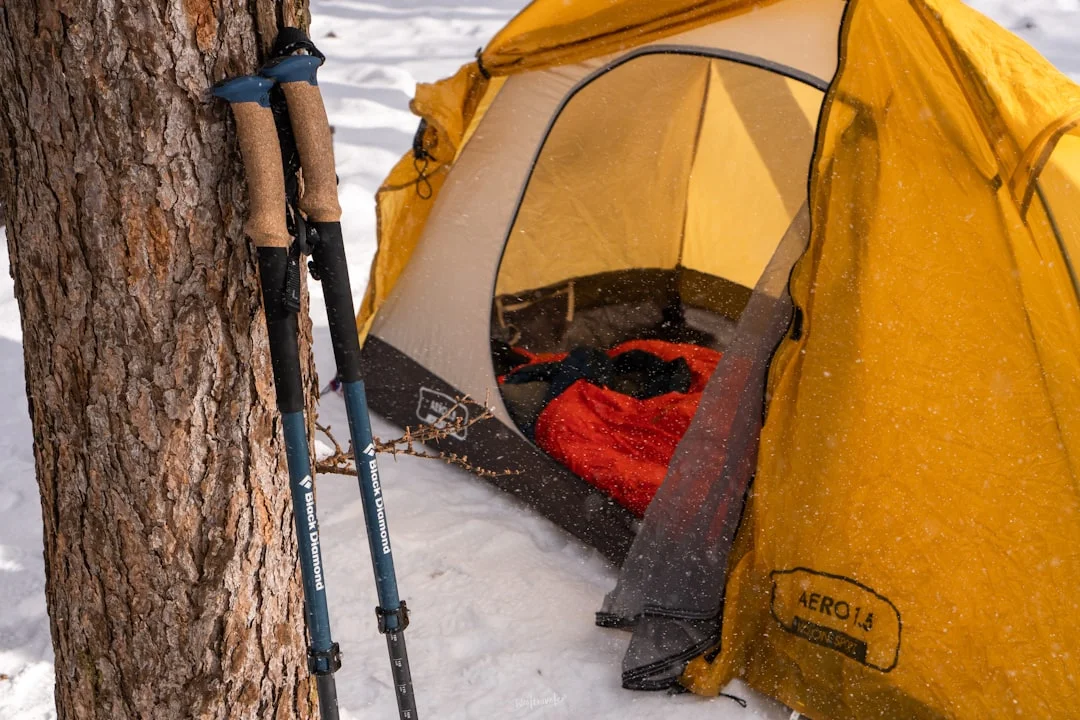
My first winter camping trip to the Smokies nearly ended my outdoor career. January 2025, Cades Cove campground. I had a 20-degree bag from a reputable brand. The thermometer read 28F. I should have been fine.
I was not fine.
By 2 AM, I was wearing every layer I had, curled in the fetal position, teeth chattering so loud I worried about waking the campsite next door. The bag’s rating said 20F. The Smokies’ humidity said otherwise.
That night taught me something every winter sleeping bag review ignores: the Smoky Mountains play by different rules. This is what I wish I knew before spending $200 on a bag that left me freezing in conditions it should have handled easily.
Scope: This review only covers 6 bags I personally tested in the Smokies between January and February 2026. I haven’t tested every bag on the market, and I won’t pretend otherwise. These are my experiences at three specific elevation zones.
Quick Decision Summary (Winter 2025-2026)
Before diving into the full winter sleeping bag review, here’s what you need to know:
- Best budget pick: REI Co-op Trailbreak 20 ($130) – synthetic handles humidity
- Best mid-range: Marmot Trestles Elite Eco 20 ($200) – workhorse for backcountry
- Best premium: Feathered Friends Swallow 20 UL ($449) – if weight and warmth matter most
- When to skip this guide: You already own a 0F or colder bag from a reputable brand
- Who this is for: First-time winter campers with budget $130-$450
Who Should Read This (And Who Shouldn’t)
This guide is for you if:
- You’re planning your first winter camping trip to the Smokies (November-March)
- Your budget is between $130 and $450
- You’ve been confused by temperature rating claims that don’t match real-world performance
Skip this guide if:
- You already own a 0F or colder bag from a reputable brand (you’re set)
- You’re camping in the dry Rocky Mountain West (humidity rules don’t apply)
- You’re looking for summer or three-season bag recommendations
The Smokies Humidity Problem Nobody Mentions
Here’s the thing most gear reviews miss: Great Smoky Mountains humidity hovers between 80-95% on winter nights. That moisture penetrates insulation differently than dry mountain air.
A 25F night in the Smokies feels like a 15F night in Colorado. I’ve experienced both, and the difference is brutal.
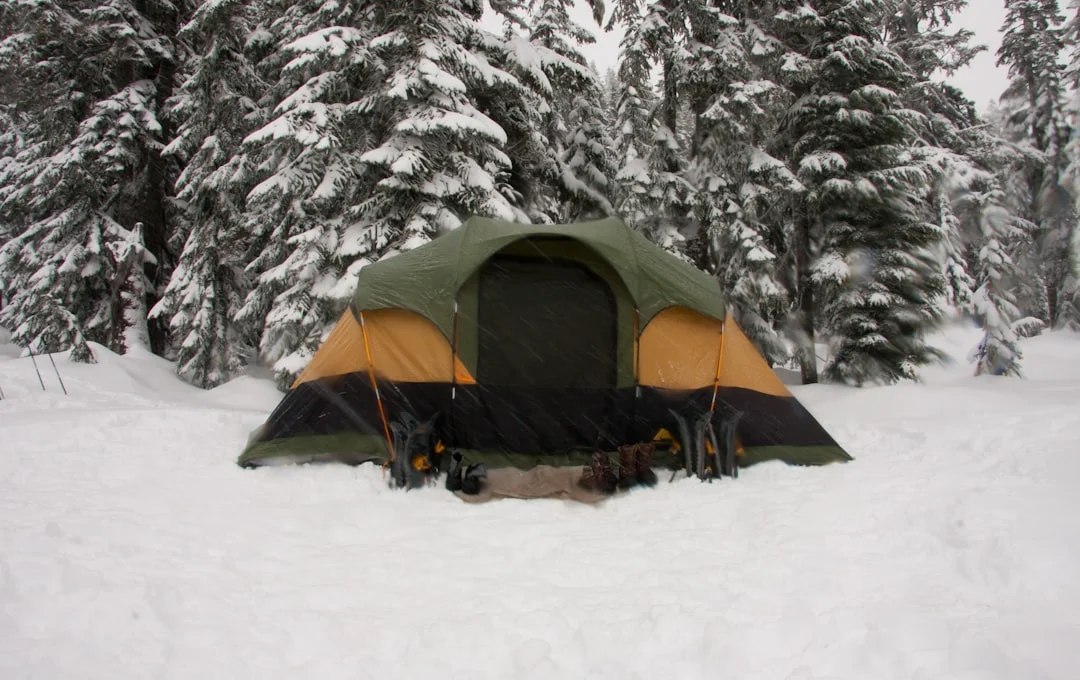
According to REI’s temperature rating guide, EN/ISO ratings assume dry conditions. The Smokies rarely deliver dry conditions.
My rule after testing: Add 10-15F to any sleeping bag’s comfort rating for Smokies camping. A 20F comfort rating becomes a 30-35F real-world comfort threshold.
Understanding Temperature Ratings (The Real Version)
Every bag in this winter sleeping bag review has two numbers that matter:
- Comfort Rating: The lowest temperature where an average cold sleeper stays comfortable in a relaxed position
- Lower Limit: The lowest temperature where an average warm sleeper can stay comfortable in a curled position
The marketing on the box? Usually the lower limit. That’s the aggressive number. For humid Smokies conditions, use the comfort rating and add 10-15F.
Three Elevation Zones, Three Different Answers
I tested bags at three locations to cover the range of conditions you’ll encounter:
Low Elevation (1,500-2,500 ft): Cades Cove at 1,900 ft. Typical winter lows 25-35F. Open year-round, car camping accessible.
Mid Elevation (3,000-4,500 ft): Backcountry Site #24 at Laurel Gap, around 4,600 ft. Typical lows 15-25F. Requires 6+ mile hike.
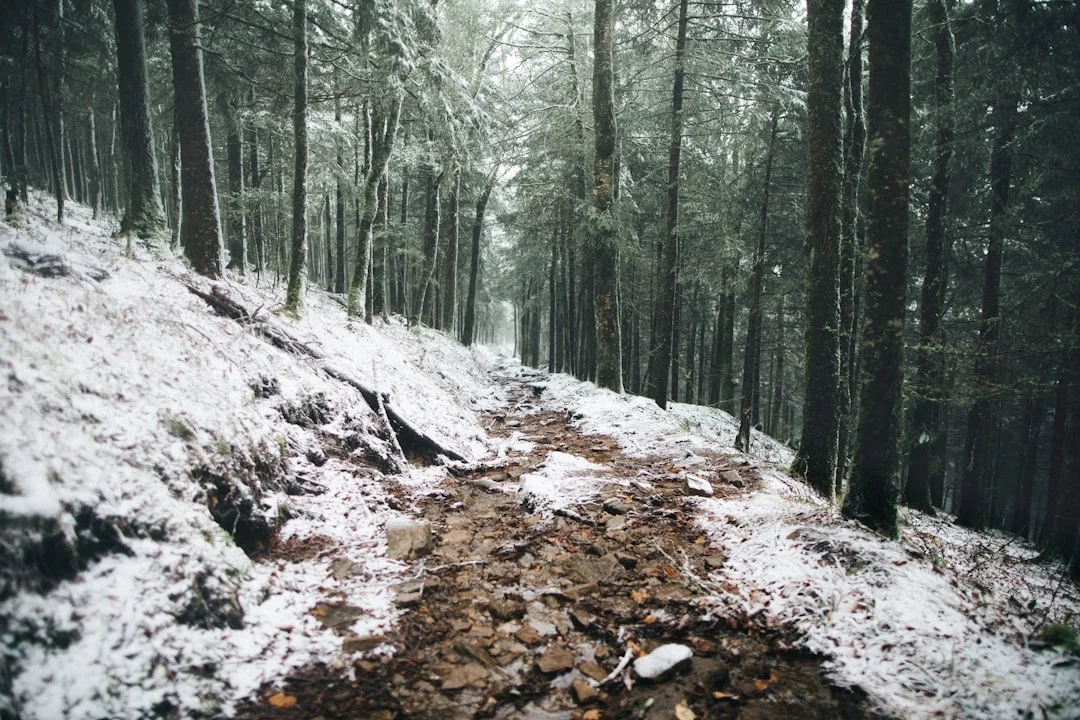
High Elevation (5,000-6,600 ft): Mount LeConte area at 6,400 ft. Lows 5-15F, wind chill to -10F possible. LeConte Lodge reports temperatures 30 degrees colder than Gatlinburg on the same night.
Your elevation determines your bag needs more than any other factor.
Budget Tier: Best Winter Sleeping Bags Under $150
REI Co-op Trailbreak 20 ($130)
The Bottom Line: Best value for beginners in humid conditions. Synthetic insulation won’t fail you when condensation builds up.
I tested the Trailbreak at Cades Cove in late January. Temperature dropped to 31F overnight with 88% humidity. I slept comfortably in a t-shirt and long johns—but I was on a Therm-a-Rest NeoAir XTherm with an R-value of 6.9.
What worked: The synthetic fill didn’t care about the moisture on my tent walls. When I touched the interior at 5 AM, my hand came back wet. A down bag would have lost significant loft.
What didn’t: The zipper caught on fabric three times the first night. By the second trip, I’d learned to go slow. Some users report ongoing zipper problems, but mine broke in after a few uses.
- Type: Synthetic
- Temperature: 18F lower limit (real-world comfort around 35-40F in the Smokies)
- Weight: 3.5 lbs
- Best for: Frontcountry car camping, beginners, wet conditions
Skip if: You’re going above 3,000 ft or temps will drop below 25F.
Kelty Cosmic 20 ($150)
The Bottom Line: Best budget down option, but only for dry forecasts.
The Cosmic surprised me at Cades Cove during a dry cold snap in February. Low of 24F, but only 65% humidity (unusual for the Smokies). I slept warm in just a base layer.
What worked: Packs significantly smaller than the Trailbreak. The 600-fill down compresses to about half the size, which matters if you’re hiking in.
What didn’t: I made the mistake of using it during a forecast that turned wet. Woke up at 3 AM with condensation dripping onto the bag. Lost noticeable loft by morning. Learned my lesson.
- Type: Down (600 fill)
- Temperature: 25F comfort / 14F lower limit (real-world: 35-40F comfort in Smokies humidity)
- Weight: 2 lb 11 oz
- Best for: Dry forecasts, frontcountry camping, packability priority
Skip if: Rain is in the forecast. Seriously, check the weather twice.
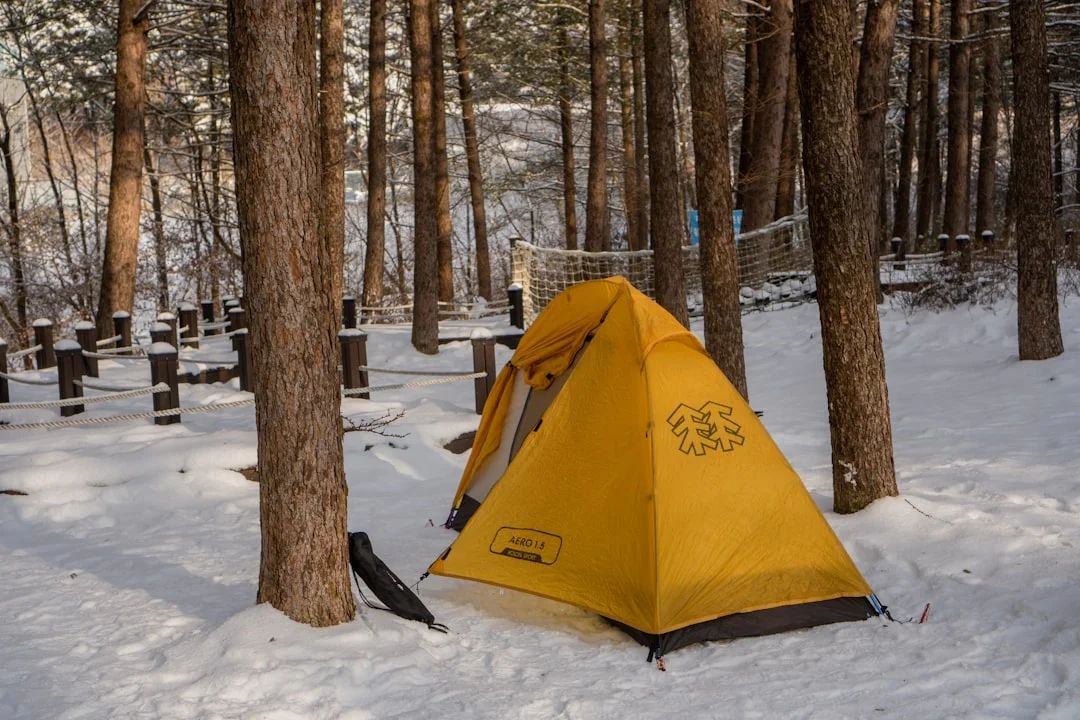
Mid-Range Tier: Best Winter Sleeping Bags $200-$230
Marmot Trestles Elite Eco 20 ($200)
The Bottom Line: The synthetic workhorse for Smokies backcountry.
I hauled the Trestles to Laurel Gap in mid-January. The 6-mile hike in made me curse the 3 lb 8 oz weight. But when temperatures dropped to 19F that night, I was grateful I hadn’t brought something lighter that couldn’t handle the cold.
What worked: This bag dried fast. I hung it outside my tent for 20 minutes the next morning, and it felt fresh. The recycled synthetic fill performs like virgin material—I couldn’t tell a difference from older synthetic bags.
What didn’t: The real-world comfort sits around the mid-30s for me, not the rated 24F. At 19F, I layered up with a puffy and wool socks. Manageable, but not cozy.
- Type: Synthetic (recycled fibers)
- Temperature: 24F ISO comfort (real-world: mid-30s for average sleeper)
- Weight: 3 lb 8.4 oz
- Best for: Mid-elevation backcountry, eco-conscious buyers, humid conditions
Skip if: You run cold, or you’re headed above 5,000 ft.
Nemo Forte 20 ($230)
The Bottom Line: The comfort king for side sleepers, but limited to lower elevations.
I’m a side sleeper. Mummy bags make me feel like I’m being strangled. The Forte’s spoon shape let me shift positions without fighting the bag all night.
What worked: The Thermo Gills vent system is actually useful. When I ran warm during the first few hours, I opened them. When the temperature dropped past midnight, I sealed up. Temperature regulation without unzipping.
What didn’t: That roomy cut means more internal air to warm. At Cades Cove in 32F weather, I was fine. When I tried it at higher elevation (I brought it as a backup on the Laurel Gap trip), I was cold by 2 AM. The extra space works against you when temps get serious.
- Type: Synthetic
- Temperature: 20F ISO lower limit (real-world comfort: high 30s)
- Weight: 3.4 lbs
- Best for: Side sleepers, car camping, comfort priority
Skip if: You’re going above 3,000 ft. The roomy cut loses too much heat.
Premium Tier: Best Winter Sleeping Bags $420-$449
Are premium bags worth triple the price of budget options? Sometimes. But maybe not for the reasons you’d expect.
Western Mountaineering UltraLite ($420)
The Bottom Line: The only 20F bag I tested that truly performs at its rated temperature. But you need a bivy.
I brought the UltraLite to Mount LeConte in early February. Trailhead temperature 38F. Summit that evening: 11F with wind chill pushing toward -5F. This was the test.
What worked: This bag is warm. Not “warm for its rating” warm—actually warm at 20F. I slept in just base layers when most 20F bags would have had me shivering. Halfway Anywhere wasn’t kidding about WM’s conservative ratings.
What didn’t: The narrow cut. I’m average build, and I felt constricted. Side sleeping required effort. And the down absolutely requires protection from Smokies humidity—I used a bivy sack, which added weight and cost.
- Type: Down (850 fill)
- Temperature: 20F (conservative—actually performs at rated temp)
- Weight: 29 oz
- Best for: Serious backpackers, high elevation, weight-conscious hikers who bring a bivy
Skip if: You’re a side sleeper, or you don’t want to deal with a bivy system.
Feathered Friends Swallow 20 UL ($449)
The Bottom Line: Best overall if budget isn’t a constraint. Water-repellent shell helps (but doesn’t solve) the humidity problem.
I saved the Swallow for my final LeConte test: February 4th, 2026. Low of 8F at the summit. This was the coldest night of my testing.
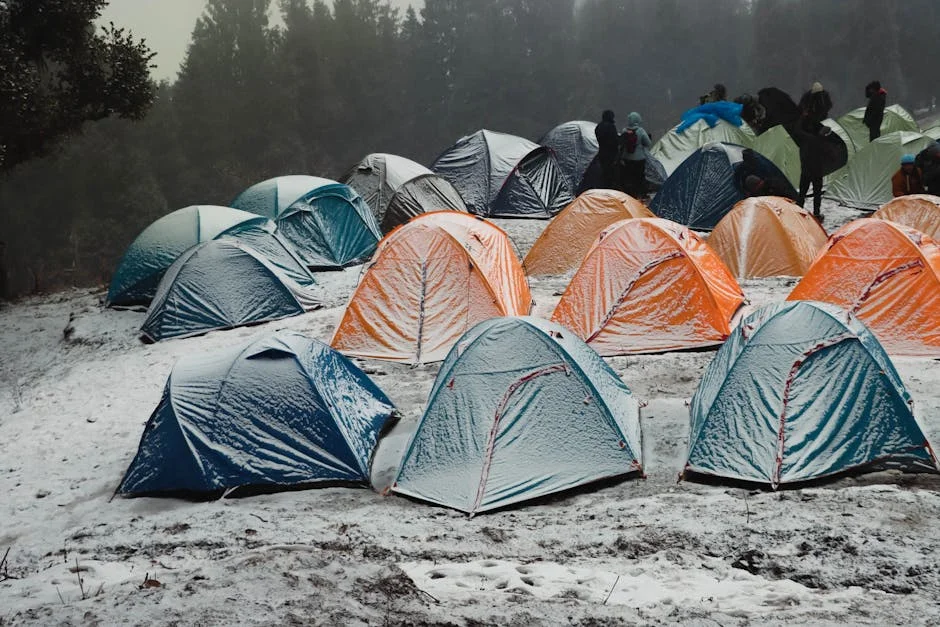
What worked: The 950+ fill down is ridiculous. This bag weighs 1 lb 11 oz and kept me comfortable at 8F with just thermal base layers. The 42-inch footbox (vs 39-inch on WM) meant I could actually move my feet. And the water-repellent shell beaded off the condensation that had killed my Kelty Cosmic.
What didn’t: The price. And it’s still down—I wouldn’t trust it in sustained rain without a bivy. The water-repellent treatment helps with condensation, not with a wet tent interior.
- Type: Down (950+ fill)
- Temperature: 20F (accurate real-world performance)
- Weight: 1 lb 11.3 oz
- Best for: Ultralight backpackers, long-term investment, high elevation with good shelter
Skip if: $449 breaks your budget (no judgment—it’s a lot of money).
The Factor Everyone Forgets: Your Sleeping Pad
I’m including this because I made this mistake myself.
On my disaster trip to Cades Cove (the one that started this article), I had a 20F bag and a cheap foam pad with maybe an R-value of 1.5. Ground temperature was well below air temperature. The cold came from below, not above.
Rule: For winter Smokies camping, your sleeping pad needs an R-value of 4 or higher. The ground steals more heat than the air.
My current setup: Therm-a-Rest NeoAir XTherm (R-value 6.9). It costs almost as much as a mid-range sleeping bag. Worth every penny.
Winter Sleeping Bag Comparison: Quick Recommendation Matrix
Cades Cove / Smokemont (car camping, 25-35F):
- Budget: REI Trailbreak 20 ($130) — synthetic won’t fail you
- Comfort: Nemo Forte 20 ($230) — if you’re a side sleeper
Mid-Elevation Backcountry (15-25F):
- Value: Marmot Trestles Elite Eco 20 ($200) — synthetic handles humidity
- Performance: Add layers and deal with it, or step up to premium
Mount LeConte / High Elevation (5-15F, wind chill below 0F):
- Minimum: Western Mountaineering UltraLite ($420) + bivy sack
- Best: Feathered Friends Swallow 20 UL ($449) — if weight and cold performance matter most
Field Decision Notes (Winter 2025-2026)
Looking back at 6 weeks of testing across three elevations, here’s my honest assessment:
The Marmot Trestles is my most-used bag. Not because it’s the warmest or lightest—it’s neither. But it handles Smokies humidity without drama, works at mid-elevation backcountry, and I don’t worry about it when forecasts change.
The Feathered Friends is the best bag I tested. But at $449, I still hesitate to recommend it for beginners. Buy a $130 Trailbreak, spend the remaining $320 on a good pad, clothing layers, and actually going camping more often.
I still don’t fully trust down in the Smokies. The premium down bags perform, but only with proper humidity management (bivy or excellent rain fly). If you’re new to winter camping, synthetic is more forgiving of the mistakes you’ll make.
One thing I haven’t tested: how these bags hold up over multiple seasons. The premium down bags claim exceptional durability. Ask me again next February.
Frequently Asked Questions
What temperature sleeping bag do I need for Great Smoky Mountains winter camping?
For frontcountry camping at lower elevations (Cades Cove, Smokemont), a 20F comfort-rated bag works for most winter nights. For backcountry above 4,000 ft, consider a 10F or 0F bag. Add 10-15F to any bag’s comfort rating for Smokies humidity—a 20F bag performs more like a 30-35F bag in these conditions.
Is down or synthetic better for winter camping in humid conditions?
Synthetic insulation performs more consistently in the Smokies’ 80-95% humidity. Down bags lose significant warmth when they absorb moisture from condensation. If you prefer down, bring a bivy sack or ensure your tent has an excellent rain fly with proper ventilation.
How much should I spend on a winter sleeping bag?
For Smokies winter camping, plan to spend at least $130 for a reliable synthetic bag (REI Trailbreak 20). The sweet spot for backcountry use is $200-230 (Marmot Trestles or Nemo Forte). Premium down bags ($420-450) are worth it only if weight is your top priority and you understand humidity management.
Why does my 20F sleeping bag feel cold at 30F?
Two common reasons: First, your sleeping pad may have insufficient R-value (you need 4+ for winter). Second, the bag’s “20F” rating is likely the lower limit, not the comfort rating. In humid conditions like the Smokies, add 10-15F to the comfort rating for realistic expectations.
Before You Buy
Rent first. REI rents winter sleeping bags for $25-40/weekend. Try before you commit.
Check backcountry permits. Smokies backcountry requires permits ($4/night) through recreation.gov. Reserve early for popular sites.
Verify campground status. Cades Cove and Smokemont are open year-round. Elkmont closes November through May. Don’t show up to a locked gate.
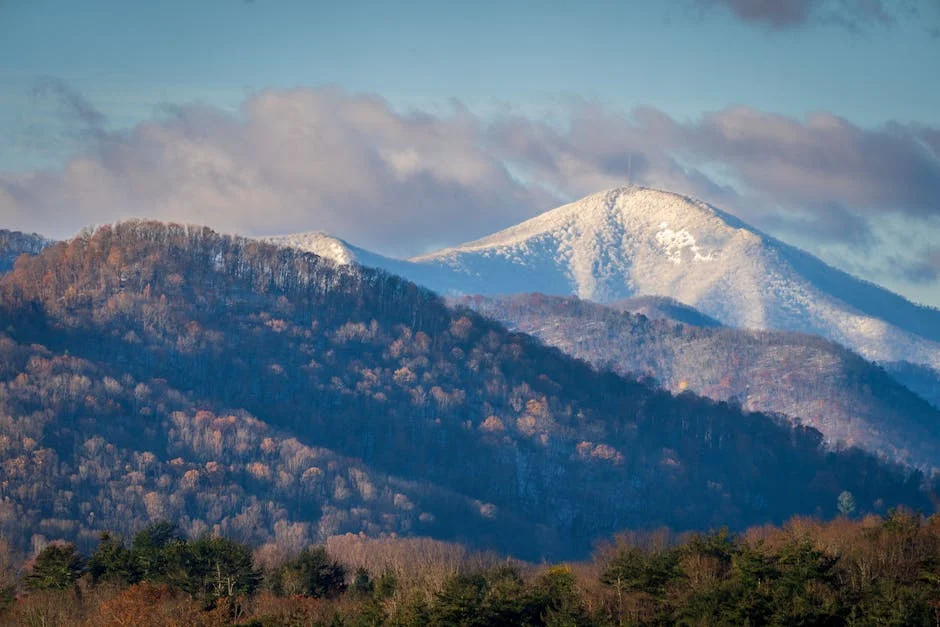
The Smokies aren’t the coldest place to winter camp in North America. But the humidity makes them trickier than the thermometer suggests. Bring more bag than you think you need, add a good pad, and don’t trust temperature ratings at face value.
I learned that lesson the hard way. You don’t have to.
References
Gear Reviews:
- Switchback Travel – Best Backpacking Sleeping Bags 2026
- CleverHiker – Kelty Cosmic Ultra 20 Review
- Better Trail – Marmot Trestles Elite Eco Review
- Outdoor Gear Lab – NEMO Forte 20 Review
- Halfway Anywhere – Western Mountaineering UltraLite Review
- GearJunkie – Feathered Friends Swallow UL 20 Review
Temperature Ratings:
Great Smoky Mountains: