
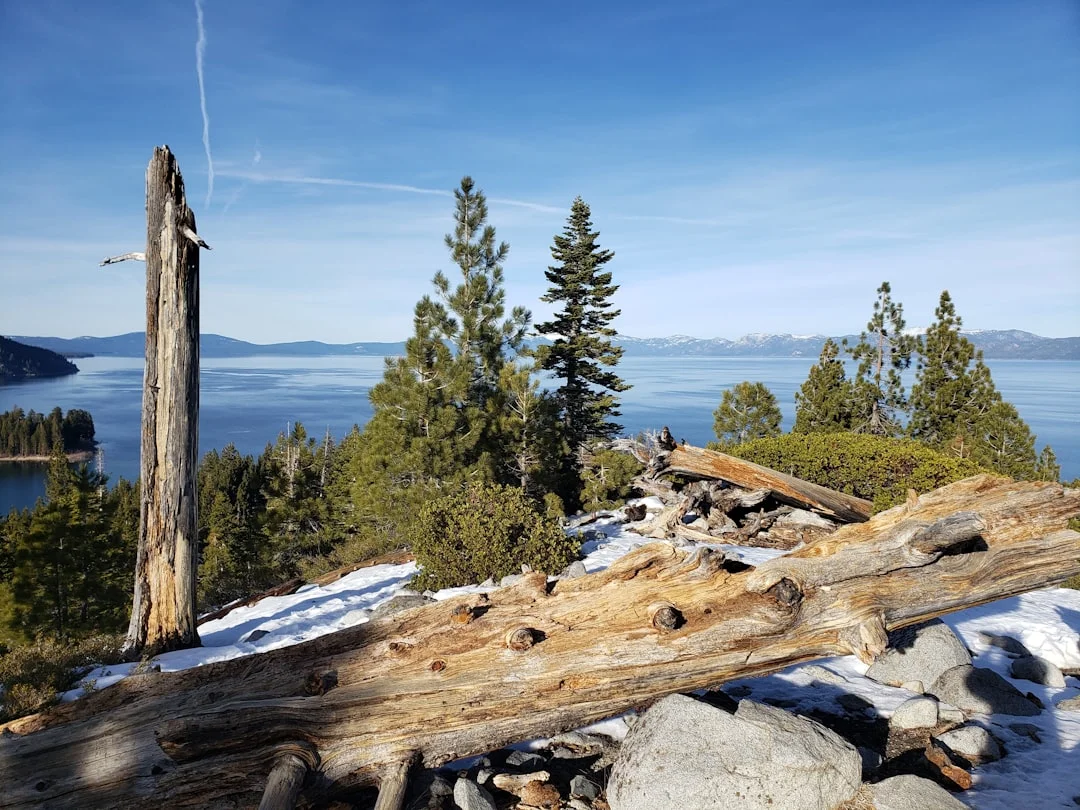
I almost didn’t go. The weather forecast showed 22 degrees at the trailhead, and my car’s heater had been acting up all week. My friend Sarah bailed the night before, citing “too cold.” And honestly, sitting in my Sacramento apartment at 7 AM on a Tuesday in January, the idea of driving two hours to walk through snow sounded increasingly absurd.
But I went anyway. And what I found while seeking winter wilderness solitude at Tahoe that morning changed how I think about winter.
Scope: This guide focuses specifically on the Tahoe Meadows section of the Tahoe Rim Trail for winter hiking beginners. It does NOT cover the full 170-mile trail, backcountry camping, or advanced mountaineering routes.
Quick Decision Summary (Winter 2025-2026)
- Best conditions: Weekday mornings after consolidated snow (3+ days since last storm), temperatures 15-30F, wind under 15 mph
- When to skip: Within 24 hours of fresh powder (backcountry skiers will be there), holiday weekends (Presidents’ Day is packed), or if you lack GPS navigation
- Who this is for: Hikers comfortable in below-freezing temps who want quiet trails and can walk 2-3 miles in snowshoes
- Better alternatives if: You want flat terrain (try Spooner Lake Loop) or even fewer people (try Brockway Summit)
Winter 2025-2026 Conditions Update
During the 2025-2026 season, Tahoe Meadows has seen above-average snowfall through January. Key observations:
- Snow depth at trailhead parking has consistently exceeded 30 inches since mid-December
- The Ophir Creek Trailhead parking lot has remained accessible throughout the season
- Weekday traffic has been notably lighter than previous winters, likely due to strong powder days drawing crowds to ski resorts instead
Why I Chose Tahoe Meadows for Winter Wilderness Solitude
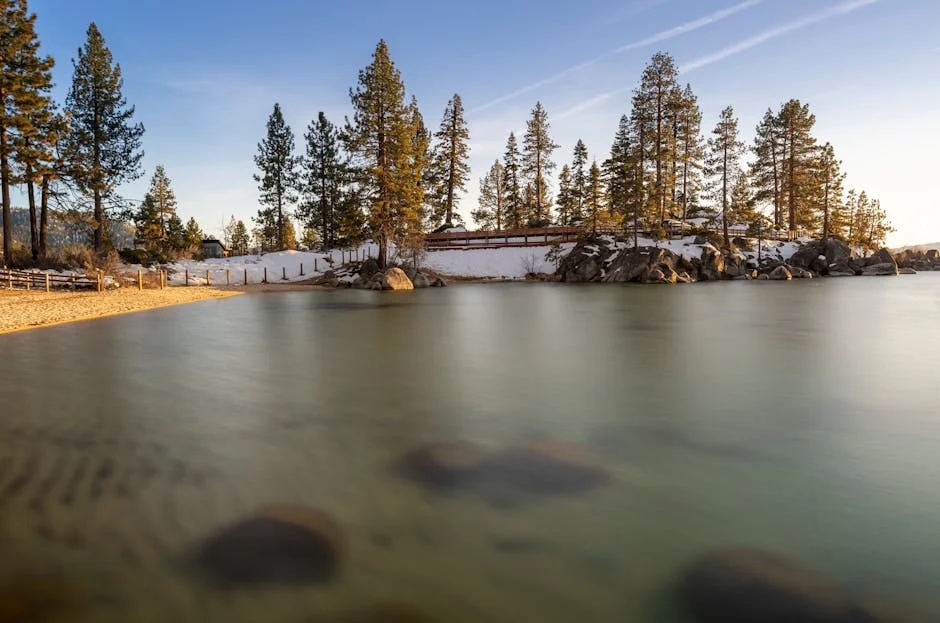
Last winter, I spent $189 on a single-day lift ticket at Palisades Tahoe. I waited 25 minutes in the gondola line. The runs were icy. By 2 PM, I was tired, cold, and $200 poorer including the overpriced lodge burger.
That experience kept nagging at me. I love Tahoe, but the ski resort version of Tahoe had started feeling like an expensive theme park.
A colleague mentioned she’d been snowshoeing near Incline Village. “Didn’t see anyone for three hours,” she said. “Just me and the chickadees.”
That stuck with me. The Tahoe Rim Trail Association website confirmed what she described: the same trail system that gets crowded in summer becomes nearly empty once snow arrives. Most people assume the trail closes in winter. It doesn’t. It transforms into a sanctuary for those seeking winter wilderness solitude at Tahoe.
The Part Nobody Talks About: Getting There
Every guide I read made it sound simple. “Park at Tahoe Meadows, start walking.” What they didn’t mention: Highway 431 (Mount Rose Highway) can be a nightmare in winter. I hit a whiteout near the summit that had me gripping the steering wheel so hard my hands cramped.
The Tahoe Meadows Ophir Creek Trailhead sits at 8,540 feet. On that January Tuesday, there were exactly three other cars in the lot when I arrived at 8:30 AM. By the time I finished around 11:30, two more had shown up.
Compare that to Heavenly’s parking garage on a weekend.
Parking tip that actually matters: Arrive before 9 AM on weekdays. The TRTA notes that many trailheads and facilities close seasonally for winter, but Tahoe Meadows maintains accessible parking most of the season unless a major storm rolls through.
My First Steps Onto a Trail That Wasn’t There
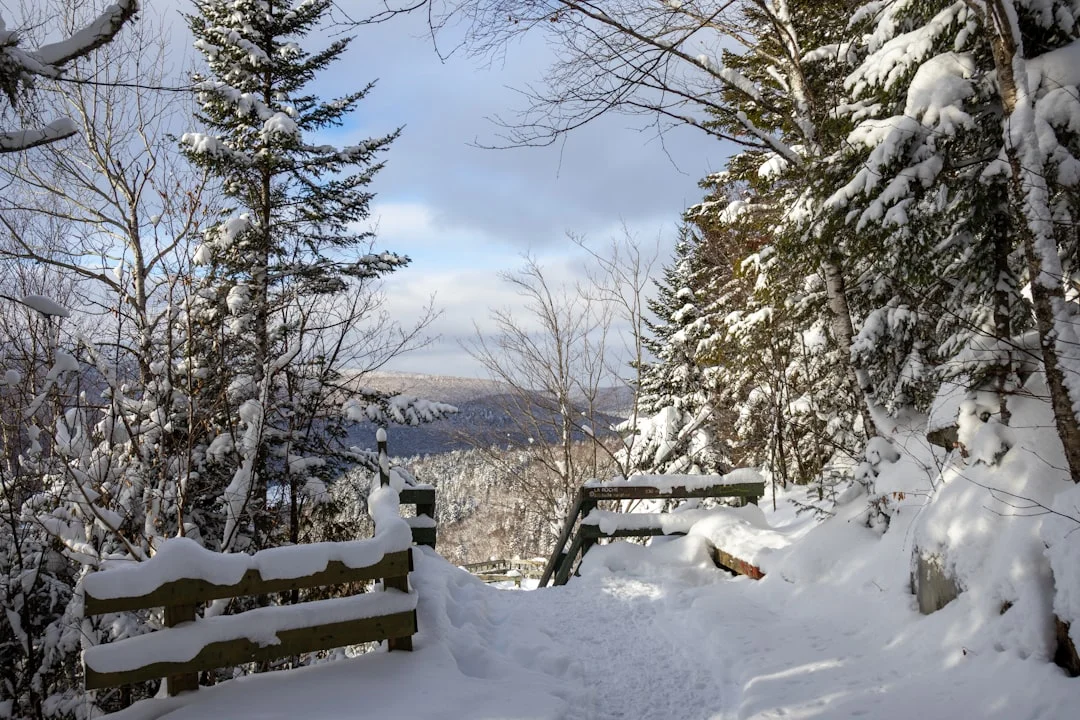
Here’s something I wasn’t prepared for: the trail disappears.
In summer, the Tahoe Rim Trail is well-marked with blue diamond blazes and clear signage. In February with two feet of snow? I could see a general depression where the trail might be, maybe, and some distant markers on trees. Someone had broken trail a day or two before me, and I followed their snowshoe prints for the first half mile.
Then those prints veered off toward a ridge I wasn’t interested in.
I stood there for maybe five minutes, genuinely uncertain. The TRTA recommends “winter navigation tools” and I finally understood why. I had my phone’s GPS with the trail downloaded offline (AllTrails), and that saved me from a very frustrating day. Without it, I would have turned around.
This is my honest advice for Tahoe Rim Trail winter hiking beginners: if you’ve never navigated off-trail in snow before, go with someone who has, or stick to the out-and-back on Chickadee Ridge where the route is more obvious.
What Winter Wilderness Solitude Actually Feels Like
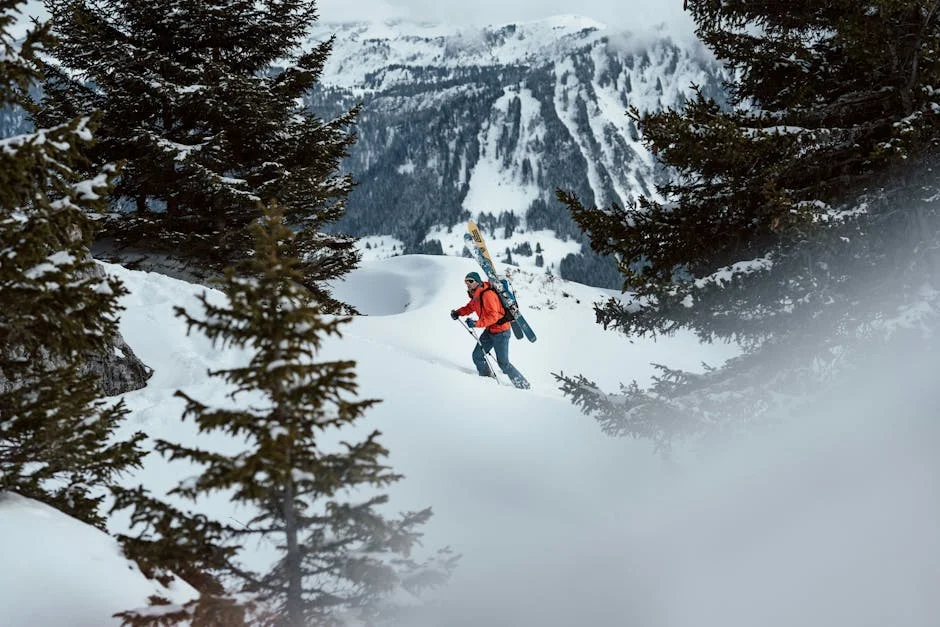
About a mile in, I stopped walking and just stood there.
No wind. No car sounds. No voices. No ski lifts humming. Nothing.
I’ve been on “quiet” trails before. This was different. The snow absorbed everything. I could hear my own heartbeat.
A Stanford study from 2015 found that 90-minute walks in natural settings reduce activity in the part of the brain associated with rumination and repetitive negative thoughts. I’m not a scientist, but standing in that meadow with Lake Tahoe glittering below through a gap in the trees, I felt something shift. The work stress I’d been carrying for weeks didn’t disappear, but it receded. It felt less urgent.
I understand why people pay thousands for silent meditation retreats. This winter hiking Tahoe mental health benefit was free, minus the $28 snowshoe rental.
The Chickadees Are Real (And Slightly Unnerving)
Everyone mentions the chickadees on Chickadee Ridge. What they don’t mention is that these birds have absolutely zero fear of humans. I stopped to eat a granola bar and three of them landed on my arm within thirty seconds. One tried to steal the bar directly from my hand.
I wasn’t prepared for how disorienting that was. In my normal life, wildlife runs away. These birds treated me like furniture.
I later learned that hikers have been hand-feeding them for years, which explains the behavior but doesn’t make it less strange. It’s charming for photos, but it also felt a little sad. These are wild animals that have been trained to expect handouts.
When Things Got Harder Than Expected
I’d planned to go 3 miles to a viewpoint the AllTrails map promised. I made it about 2.2 miles before turning around.
The problem wasn’t fitness. The problem was that I’d underestimated how much harder snowshoeing becomes when the snow is soft. Every step, I sank about eight inches. My calves were burning. The altitude didn’t help. At 8,500 feet, I was breathing heavier than I would at sea level.
A more experienced snowshoer passed me on the way down. She was moving at twice my speed, barely sinking at all. Her snowshoes were larger than mine. “Renting?” she asked, not unkindly. When I nodded, she smiled. “Those work, but they’re not great for powder. Something with more flotation helps.”
I didn’t know snowshoe sizing mattered that much. Now I do.
The View That Made the Winter Wilderness Solitude Worth It
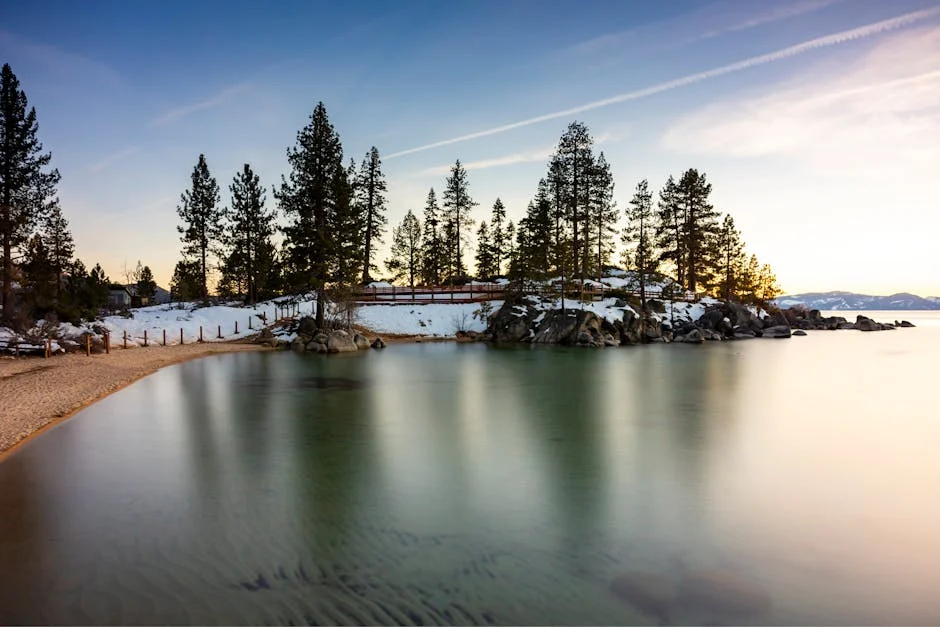
At my turnaround point, I found a flat rock that had been swept mostly clear of snow. I sat down and ate my lunch.
Lake Tahoe stretched out below me, that impossible blue that photographs never quite capture. Snow-covered peaks ringed the basin. A single bird circled overhead. I could see ski runs in the distance at one of the resorts, tiny dots moving down white slopes.
I was alone. Completely, genuinely alone in a way that’s hard to achieve in modern life.
The NIH published a study in 2020 documenting that even 30 minutes of hiking can reduce stress hormones by up to 28 percent. I don’t know if that’s what happened to me, but when I stood up to head back to my car, I felt lighter. The drive home to Sacramento seemed shorter. The work emails waiting for me seemed less overwhelming.
Practical Stuff I Wish Someone Had Told Me
What worked:
- Starting on a Tuesday morning (I saw exactly four other people total)
- Bringing more water than I thought I’d need (cold air is dry; I got dehydrated)
- Layers I could remove (I was sweating after 15 minutes of snowshoeing)
What I’d change:
- Larger snowshoes for powder conditions
- Gaiters (snow kept getting inside my boots at the top)
- Earlier start time (I lost good light for photos by 11 AM as clouds moved in)
Rental note: I paid $28 at a shop in Truckee. The TRTA mentions snowshoe rentals run $20-40 per day around the lake. Don’t rent from resort shops if you can avoid it; they charge more.
Why I’m Not Sure I’d Recommend This to Everyone
Here’s where most guides would say “this trail is perfect for beginners!” I’m going to disagree, with caveats.
If you’ve hiked before, have basic navigation skills, and understand cold weather safety, Tahoe Meadows in winter is absolutely manageable. The terrain is gentle. The distances are short. The views are spectacular.
But if you’ve never used snowshoes, never navigated by GPS, and have never been genuinely alone on a trail, this could be overwhelming. The trail isn’t marked in winter. There’s no cell service in many areas. If something goes wrong, help is not close.
Not recommended if:
- Fresh snow depth exceeds 12 inches and you’re using rental snowshoes (you’ll sink too much)
- Wind speeds exceed 20 mph at the summit (whiteout conditions develop fast)
- You don’t have offline GPS maps downloaded
- You’re uncomfortable being 30+ minutes from help
I’d suggest your first winter hike be with someone experienced, or on a TRTA-guided snowshoe trek (they run them January through March).
Comparing Quiet Snowshoe Trails at Lake Tahoe
I haven’t done Spooner Summit in deep winter yet, so I can’t give firsthand comparison. Based on what I’ve read and heard:
Tahoe Meadows (my choice): Gentler terrain and easier to access from Reno. The chickadee experience is unique. Parking is usually available. Downside: can get crowded on powder days when backcountry skiers show up.
Spooner Lake Loop: An easier option if you just want a flat 2.5-mile walk. It’s more sheltered from wind. But I’ve heard it gets more traffic than Tahoe Meadows, possibly because it’s closer to South Lake Tahoe.
Brockway Summit: Supposedly the quietest option on the north shore. A regular at the coffee shop near my apartment swears by it. “Even on weekends, I’ve had it to myself,” she told me. That’s on my list for next month.
My decision logic: I chose Tahoe Meadows because it balanced accessibility (easy drive from Sacramento), solitude potential (weekday mornings), and the chickadee experience I’d heard about. If pure solitude is your priority and you don’t mind a longer drive, Brockway Summit is likely better.
What I’d Do Differently Next Time
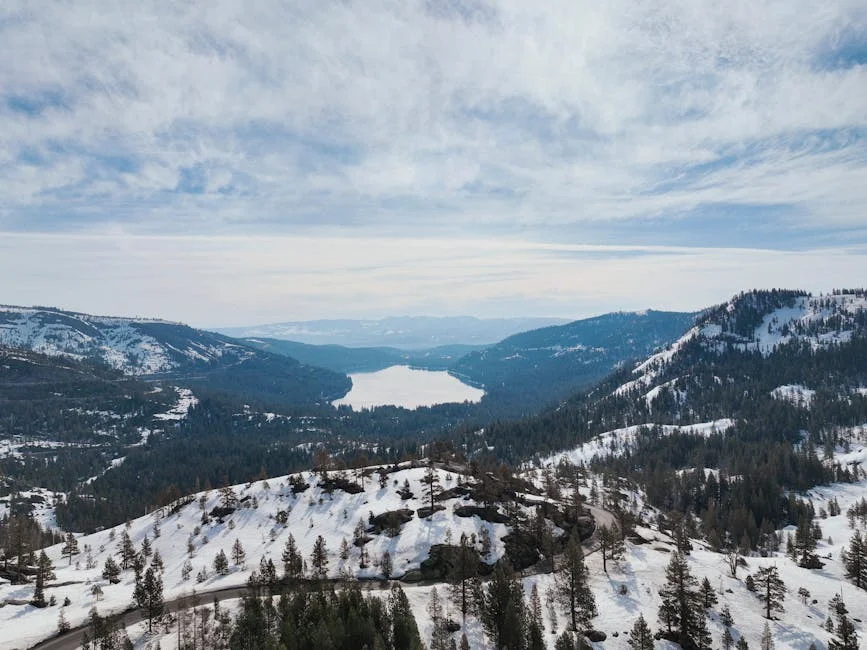
I’m planning to go back in late February 2026, probably to try the Brockway Summit section. Here’s what I’ll change:
Start earlier. I arrived at 8:30 AM and that was fine, but an earlier start means better parking, fresher snow, and more time before afternoon clouds roll in.
Better snowshoes. I’ll probably buy my own pair with more flotation, rather than renting the basic models.
A hiking partner. Not because I felt unsafe, but because the experience would have been richer shared. That said, there’s something to be said for genuine solitude. The quiet wouldn’t have been as complete with conversation.
Skip holiday weekends. Presidents’ Day weekend is apparently a mob scene even on winter trails. I’ll aim for mid-week in early March when kids are back in school but snow conditions are still good.
Field Decision Notes (Winter 2025-2026)
- Best month: January or early March. February gets holiday weekend crowds. Late March snow can be slushy.
- Gear threshold: When snow depth exceeds 18 inches, upgrade from rental snowshoes to 25″+ flotation models
- Risk conditions to avoid: Wind > 20 mph (whiteout), temps < 10F (frostbite risk increases significantly), fresh powder > 12″ (exhausting for beginners)
- Common mistakes: Underestimating water needs, wearing cotton layers, starting too late and losing light
- First-timer advice: Do Chickadee Ridge out-and-back first (clearer route) before attempting the full meadow loop
For the Skeptics
I get it. Hiking in the cold, alone, on a trail you can’t see, to look at snow sounds questionable when you could be sitting by a fire with a book.
But there’s something about experiencing winter wilderness solitude at Tahoe that no amount of fire-sitting provides. The research backs this up. Stanford and NIH studies both show measurable mental health benefits from time in nature. The silence. The physical effort. The complete absence of screens and notifications and other people’s demands.
I came back from that January Tuesday feeling like I’d been gone a week. The whole experience cost me about $50 including gas and snowshoe rental.
A day at the ski resort would have cost four times that and left me with sore knees and a headache from the crowds.
I’m not saying winter hiking is for everyone. I’m not even sure it’s for me every time. But if you’re curious about what winter wilderness solitude at Tahoe looks like when nobody’s watching, when the trails belong to you and the chickadees and nobody else, it’s worth trying once.
Frequently Asked Questions
Is the Tahoe Rim Trail open in winter?
Yes, the Tahoe Rim Trail remains open year-round. However, winter conditions transform the experience significantly. Trail markers may be buried under snow, and you’ll need snowshoes or backcountry skis rather than regular hiking boots. The Tahoe Meadows section is one of the most accessible winter entry points.
What gear do I need for winter hiking at Tahoe Meadows?
Essential gear includes snowshoes (rentals run $20-40/day), trekking poles, layered clothing you can remove, gaiters to keep snow out of boots, and a GPS device or phone with offline trail maps downloaded. Bring more water than you think you’ll need since cold air dehydrates you quickly.
How crowded are Tahoe winter trails compared to ski resorts?
Dramatically less crowded. On a weekday morning at Tahoe Meadows, I saw four other people total over three hours. Compare that to 25-minute lift lines at major ski resorts. The key is avoiding powder days (when backcountry skiers arrive) and holiday weekends like Presidents’ Day.
Is winter hiking at Tahoe safe for beginners?
With proper preparation, yes. Stick to the Chickadee Ridge out-and-back route if you’re new to winter navigation. The terrain at Tahoe Meadows is gentle, distances are short, and you’re never far from the parking lot. However, if you’ve never navigated by GPS in snow or used snowshoes, consider going with an experienced partner or joining a TRTA-guided trek first.
References
Official Sources:
- Current Trail Conditions – Tahoe Rim Trail Association
- Winter Access Information – Tahoe Rim Trail Association
Trail Data:
Research:
- Stanford Research: Mental Health and Nature – Stanford University
- Hiking Health Benefits Study – National Institutes of Health
Experience Reports:
- Winter Trekking On The Tahoe Rim Trail – Sierra REC Magazine